U.S. President Warns of 'Project Freedom Plus' as Iran Maritime Tensions Escalate
Trump warns of restarting expanded U.S. naval operations in the Strait of Hormuz ("Project Freedom Plus") as U.S.-Iran tensions and maritime clashes intensify amid stalled diplomacy.
ERBIL (Kurdistan24) - United States President Donald Trump has issued a formal warning that his administration may resume and expand maritime operations in the Strait of Hormuz, just days after the temporary suspension of a specialized naval escort mission.
According to a primary report detailing the president's remarks, Trump indicated that "Project Freedom", the operational framework designed to guide commercial vessels through the contested waterway, could return with additional military components if diplomatic negotiations with Tehran fail to yield a definitive agreement.
The threat to initiate what the president characterized as "Project Freedom Plus" marks a significant escalation in the ongoing maritime standoff between Washington and the Islamic Republic.
The strategic significance of the Strait of Hormuz remains central to U.S. planning, as the waterway serves as a critical chokepoint for a fifth of the world's energy supply.
Trump stated that while he views the original operation as effective, the United States possesses alternative methods to secure its objectives in the region.
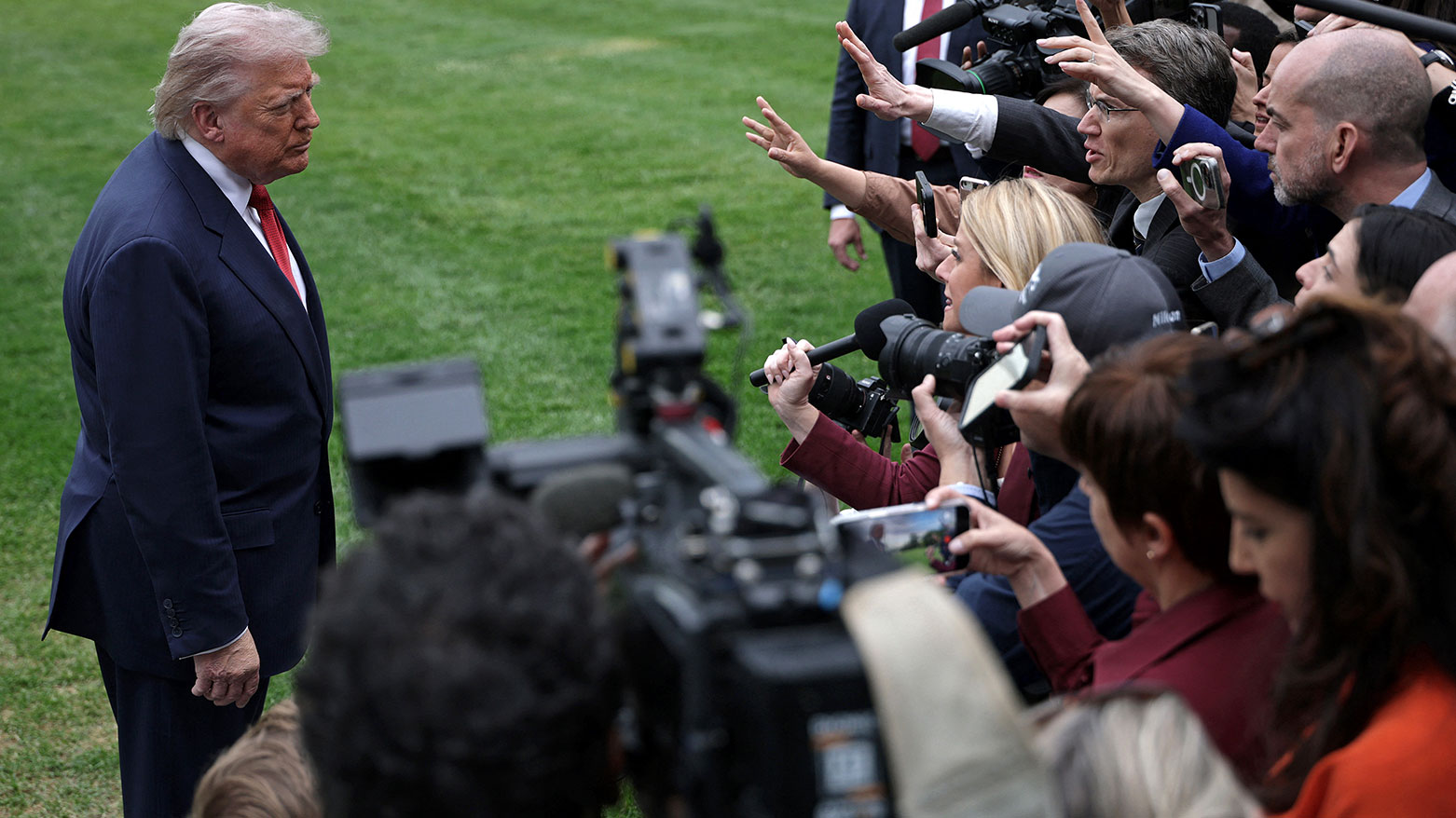
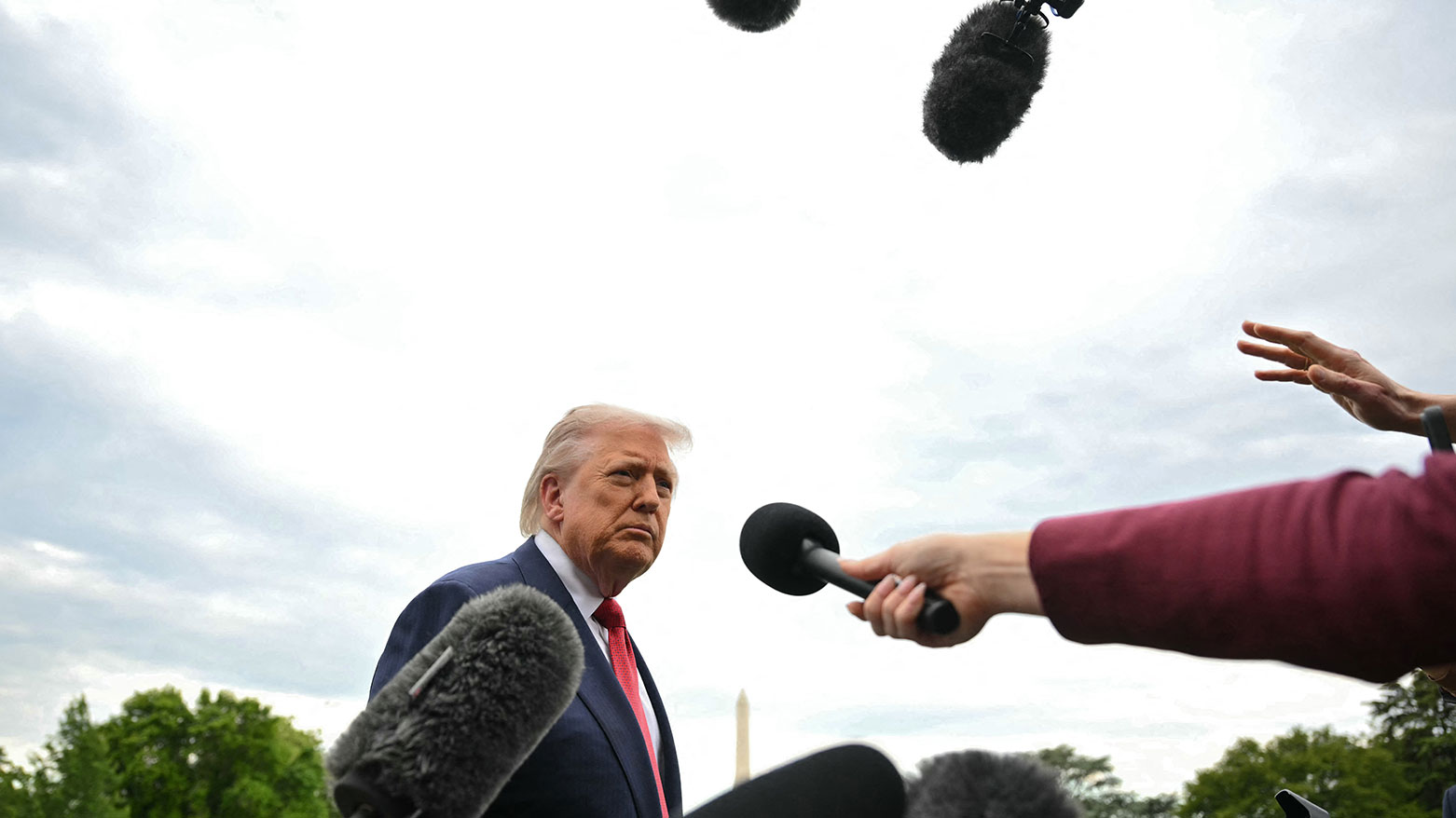
When pressed by reporters for an update on United States-Iran relations, the President offered a mixed assessment of Tehran's military capabilities and the broader geopolitical outlook in the region.
Addressing questions regarding his optimism about Iran's anticipated response to recent U.S. proposals, the President remained noncommittal on the diplomatic timeline but openly dismissed the current state of the Iranian armed forces.
"We'll see what happens. Look, they have no military. They have not a lot left," the President stated, downplaying the strategic threat posed by Tehran.
U.S. President also touched upon the recent deployment of a U.S. aircraft carrier to the Strait of Hormuz.
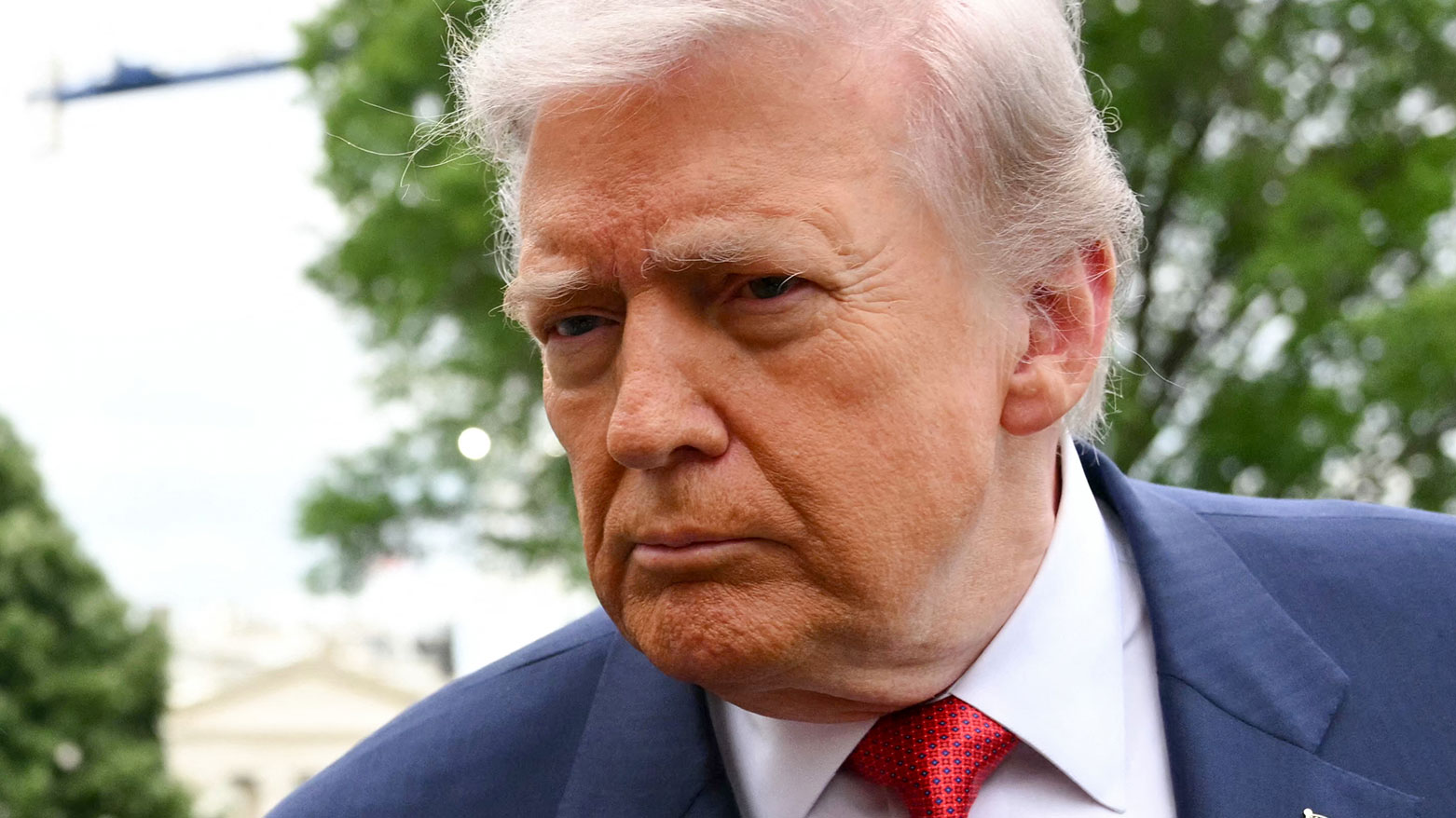
When asked on the strategic intent behind the carrier's presence, the U.S. President declined to provide a direct reaction. Instead, he pivoted to a broader, more favorable assessment of the unfolding situation.
"No, I have no reaction to that [deployment of aircraft carrier to the Strait of Hormuz]. No, not at all. I think we're doing very well. Iran is seeming to be coming along very well. Militarily, very good. We'll see whether or not they can get there," President Trump stated.
Overall, the U.S. President projected confidence, summarizing the administration's position by asserting that the U.S. is "doing very well" in navigating the region's complexities.
This development occurs against a backdrop of intensified military activity, with U.S. Central Command (CENTCOM) confirming recent strikes against positions in southern Iran and the interdiction of vessels attempting to bypass a naval blockade of Iranian ports.
The potential resumption of major U.S. maritime operations coincides with mounting anxiety among regional allies regarding the trajectory of ongoing diplomatic efforts.
Israeli officials are reported to fear that Washington and Tehran may reach a bilateral agreement that does not sufficiently address the security requirements of the Jewish state.
According to reports from Israel's Channel 12, decision-makers in Jerusalem have conveyed a firm message to the White House, emphasizing that any return to a military posture must prioritize the total destruction of Iran's energy infrastructure.
This strategic divergence highlights the complex regional security environment, where the prospect of a U.S.-Iran diplomatic breakthrough is viewed by some partners as a potential threat to the existing regional balance of power.
Trump Signals Maritime Operation Restart
The reported comments from the U.S. president indicate a volatile policy environment where military operations are closely linked to the perceived sincerity of Iranian negotiators.
Trump was reported to have said that the resumption of "Project Freedom" would involve "additions" to the previous mission parameters, though he did not disclose the specific tactical nature of the "Plus" designation.
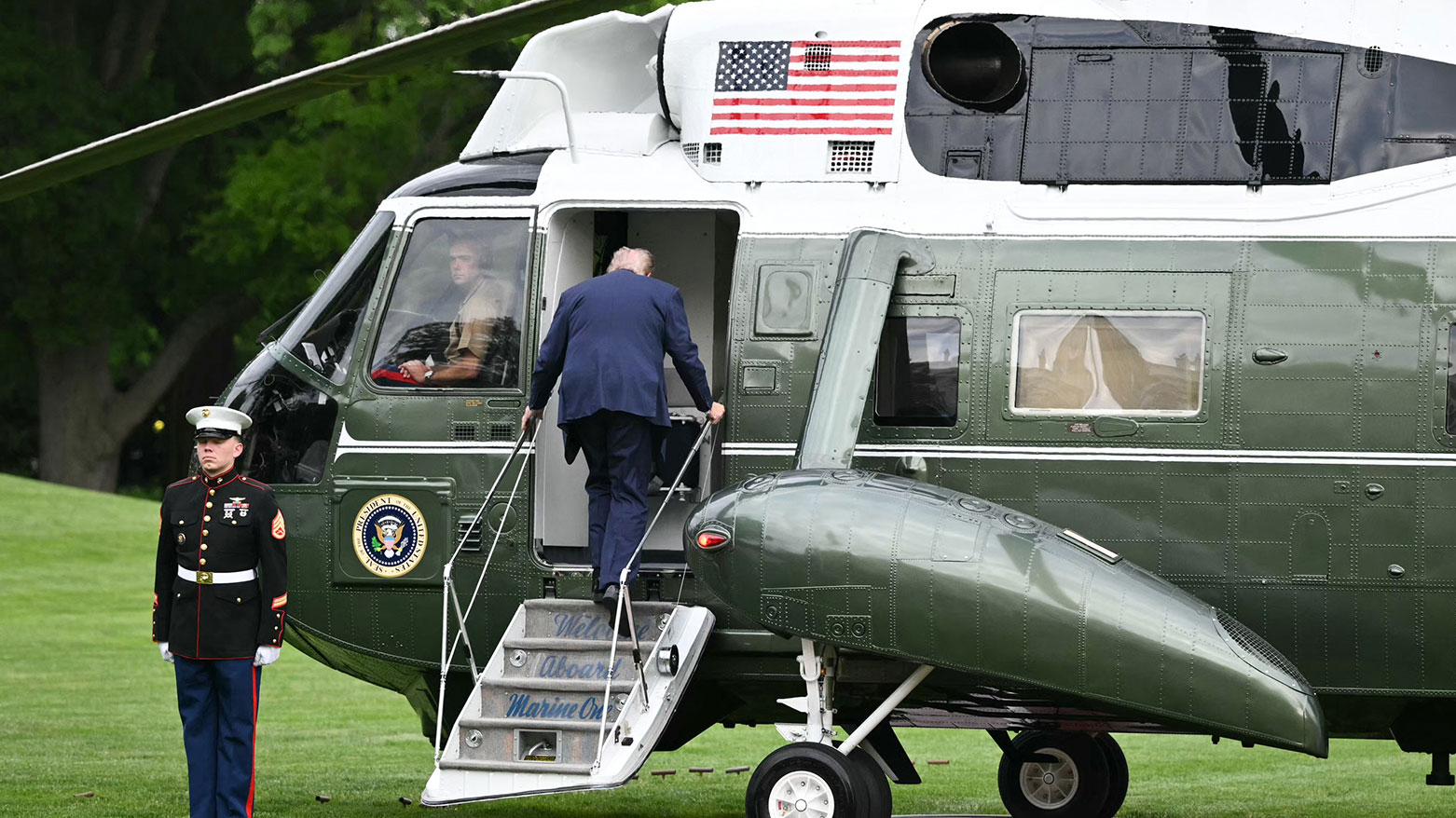
The president's remarks, delivered as he departed the White House, reinforced his earlier warnings that military strikes remain a viable option should Tehran refuse to sign a comprehensive settlement.
This renewed focus on the Strait of Hormuz follows a period of abrupt operational shifts.
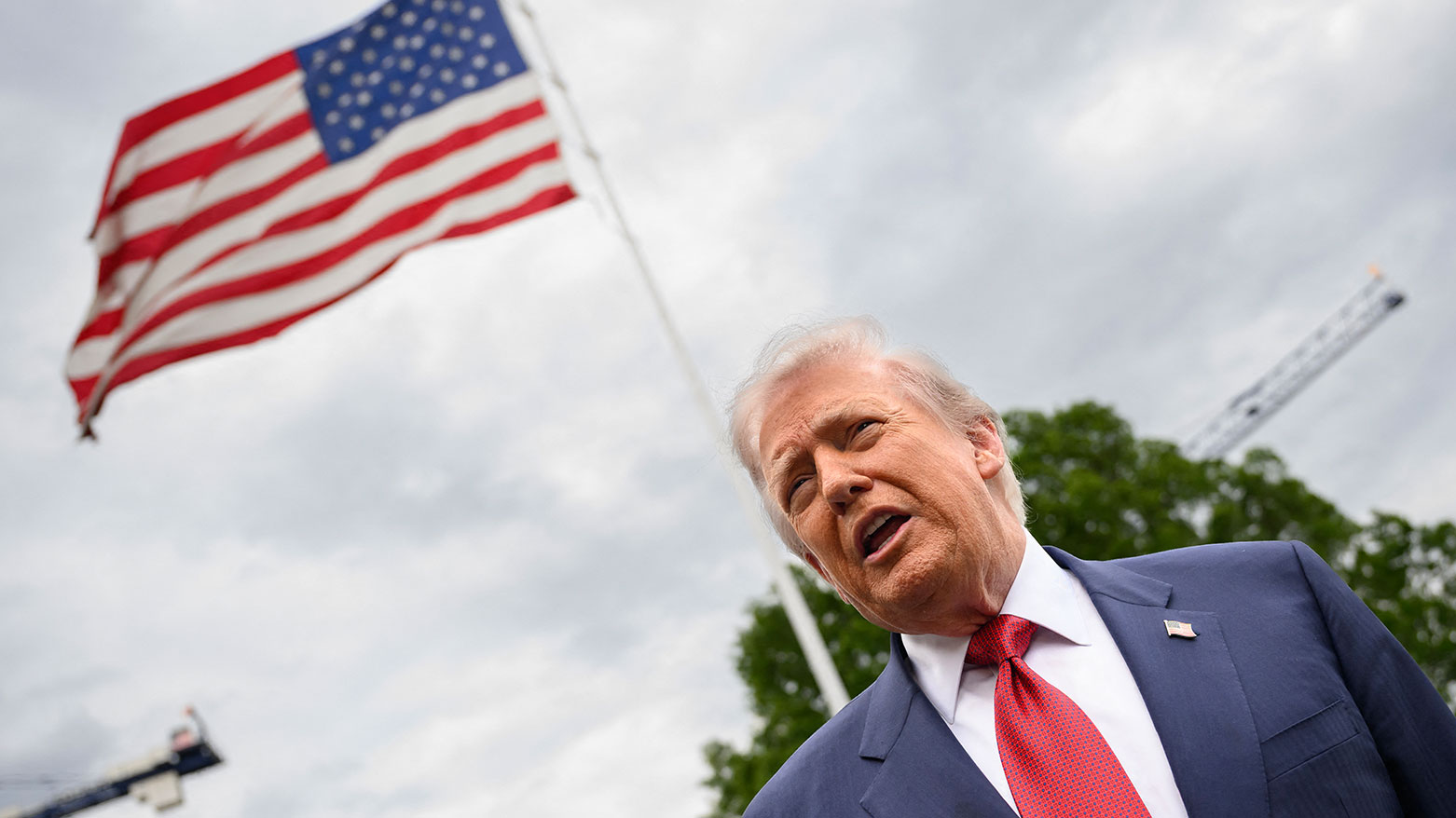
CENTCOM had initiated "Project Freedom" last Sunday to provide security for merchant shipping, only for the president to halt the mission on Tuesday.
According to the report, Trump cited significant progress in indirect talks mediated by third parties as the rationale for the pause.
However, the subsequent threat to restart the operation suggests that Washington's assessment of the diplomatic track has undergone a rapid recalibration.
The urgency of the maritime situation is underscored by recent intelligence and maritime data.
According to the report, U.S. intelligence assessments suggest that Iran can likely only sustain the current naval blockade for a period of three to four months before facing total economic collapse.
Furthermore, data from the International Maritime Organization indicates the human and material cost of the conflict: at least ten sailors have been killed and over 30 vessels damaged by Iranian-linked drone and missile activity since the war began on February 28.
General Dan Caine, the U.S. Chairman of the Joint Chiefs of Staff, noted in the report that approximately 1,600 merchant ships, manned by over 22,000 personnel, currently remain stranded at sea due to the security crisis.
Strait of Hormuz Tensions Intensify
The tension in Gulf waters has recently manifested in direct kinetic engagements.
According to the Associated Press, the U.S. military recently utilized a fighter jet to disable an Iranian oil tanker in the Gulf of Oman.
The incident occurred as the vessel reportedly attempted to breach the American-led blockade of Iran's maritime facilities.
U.S. Central Command stated that the aircraft targeted and destroyed the tanker's rudder, effectively neutralizing the ship's ability to navigate.
The Associated Press noted that these tactical actions are part of a broader pressure campaign intended to force Tehran into a deal that would officially conclude the two-month war.
President Trump has publicly threatened that a failure to accept the reported terms, the details of which remain largely confidential, would trigger a new wave of U.S. bombing.
According to the AP, the president warned on social media that any future aerial campaign would be conducted at a "much higher level and intensity" than the initial phases of the conflict.
The maritime security environment remains critical, as the U.S. administration considers the naval blockade a more effective tool than conventional bombing for achieving its strategic aims.
However, as the AP article indicated, the ongoing closure of the strait continues to drive up global fuel prices and exert significant economic pressure on major powers, including China, which maintains deep political and energy ties with Tehran.
Economic Pressure Campaign Expands
Parallel to the military and maritime threats, the U.S. Department of the Treasury has expanded its "Operation Economic Fury," targeting the logistical and financial networks that support Iran's military-industrial complex.
In a statement issued on Friday, the Treasury Department's Office of Foreign Assets Control (OFAC) designated ten individuals and companies across Asia, the Middle East, and Eastern Europe for facilitating Iran's acquisition of weapons and unmanned aerial vehicle (UAV) components.
The U.S. Treasury statement said that these networks are essential for the production of Shahed-series drones and the Iranian ballistic missile program.
Treasury Secretary Scott Bessent characterized the surviving Iranian leadership as being "trapped like rats on a sinking ship," vowing that the economic campaign remains unrelenting.
According to the statement, Washington is aggressively targeting foreign entities that provide the Iranian military with the technology necessary to threaten U.S. forces and global energy markets.
Specific targets identified in the Treasury statement include Yushita Shanghai International Trade Co Ltd in China and Elite Energy FZCO in Dubai, which were reportedly involved in procuring man-portable air-defense systems (MANPADS) for Iranian technology acquisition centers.
Furthermore, the Treasury noted that Hitex Insulation Ningbo Company Limited has supplied millions of dollars' worth of aerospace-grade materials, such as carbon fiber, to Iranian front companies.
The statement emphasized that the U.S. remains prepared to impose secondary sanctions on any foreign financial institution that facilitates these illicit commercial flows.
Israel Watches US-Iran Diplomacy Closely
As Washington deploys this multifaceted pressure campaign, the Israeli government has voiced profound skepticism regarding the potential outcome of U.S.-Iran diplomacy.
Channel 12 reported that the Israeli leadership has sent a "firm message" to the United States, expressing fear that a potential agreement might compromise Israeli national security.
According to the report, Israeli decision-makers believe that Tehran must be "paralyzed" rather than merely brought to the negotiating table.
Israeli officials are reported to fear a scenario where a diplomatic settlement allows Iran to maintain its core nuclear and military capabilities while receiving sanctions relief.
To counter this, Israel is pressuring the White House to adopt an even more aggressive military strategy focused on the immediate destruction of Iran's energy sector.
According to an Israeli official quoted in the report, the destruction of the country's energy infrastructure could be achieved within a 24-hour window, leading to the "total paralysis of authority" in Iran.
This diplomatic friction between the U.S. and Israel reflects competing regional security interests.
While the Trump administration has extended a ceasefire originally brokered in April, the Israeli military remains on a heightened state of alert.
The report indicated that Israel wants to ensure that any potential U.S. deal does not allow Tehran to recover its economic and energy sources, which were heavily damaged during the initial strikes on February 28.
The regional security landscape remains defined by overlapping military, economic, and diplomatic pressures, with the future of the Strait of Hormuz serving as a primary indicator of stability.
The threat to restart "Project Freedom" highlights Washington's continued reliance on maritime leverage to secure a favorable deal.
However, the combination of persistent naval clashes, expansive new sanctions under "Economic Fury," and deep-seated Israeli fears regarding a diplomatic resolution suggests that the trajectory of the conflict remains profoundly uncertain.
As thousands of sailors remain stranded and global energy prices fluctuate, the strategic contest between the United States, Iran, and their respective allies continues to dictate the security outlook for the Middle East.