Fresh Iranian Strikes Hit Qatar’s Main Gas Hub, Causing Extensive Damage
State-run QatarEnergy said multiple LNG facilities were hit early Thursday, causing fires and extensive damage after earlier strikes
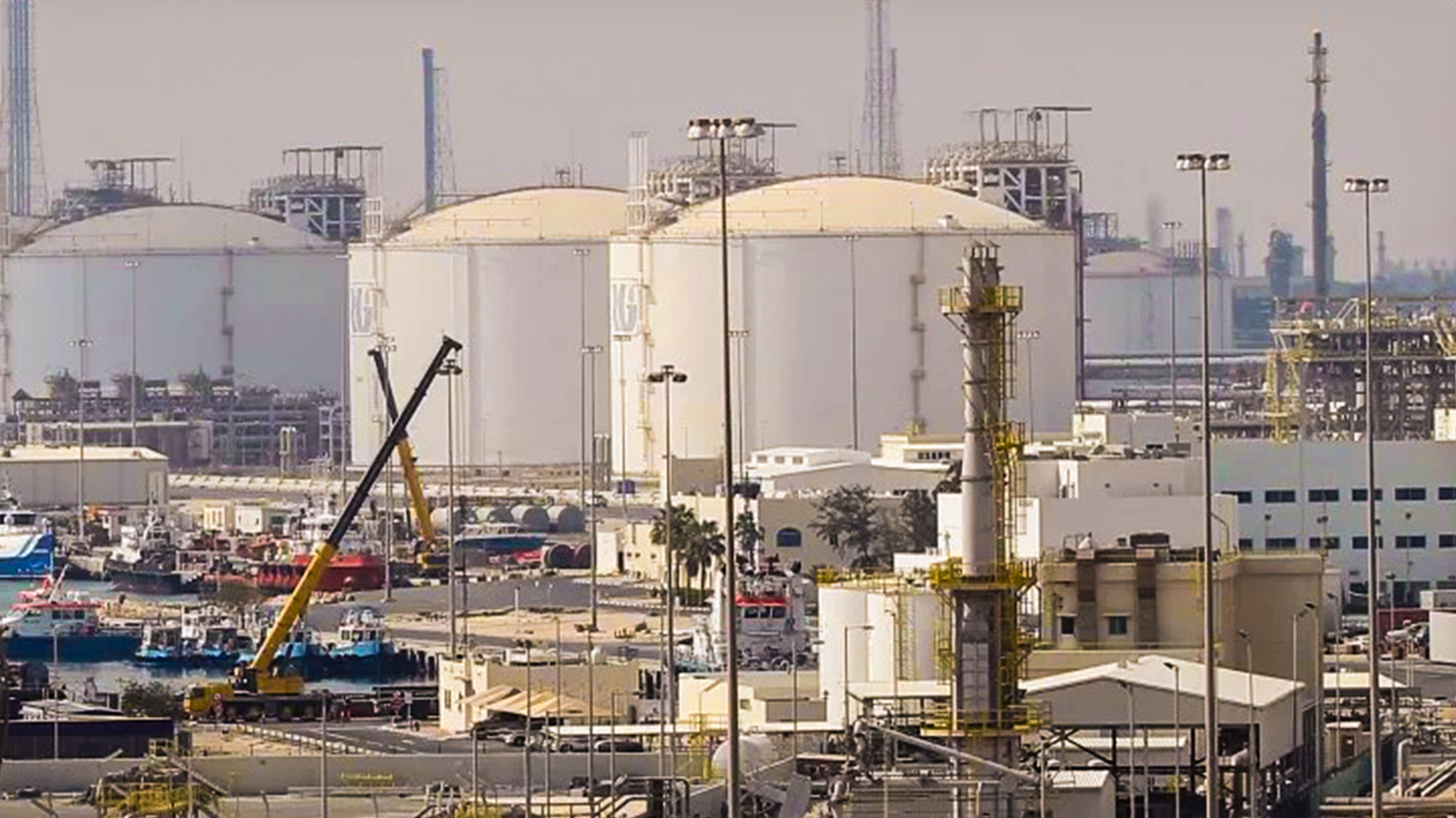
ERBIL (Kurdistan24) — Iranian missile strikes targeting Qatar’s key energy infrastructure caused extensive damage on Thursday, as multiple waves of attacks hit the Ras Laffan Industrial City, the Gulf nation’s main gas facility.
State-run QatarEnergy said several liquefied natural gas (LNG) installations were struck early Thursday, triggering “sizeable fires and extensive further damage,” following an earlier round of strikes the previous day.
Qatar’s defense ministry confirmed that ballistic missiles launched from Iran targeted the northern coastal energy hub, describing the attack as a direct assault on the country’s critical infrastructure.
The strikes come amid escalating regional tensions tied to the broader Middle East conflict. Iranian state media reported that a missile hit the facility again hours after the initial strike, with footage and reports indicating fires burning at the site.
Despite the scale of the damage, Qatar’s interior ministry said civil defense teams had successfully contained all fires at Ras Laffan, with no casualties reported. Emergency crews continued cooling and site-securing operations throughout the day.
The attacks followed an initial strike on Wednesday that had already caused significant damage to a gas-to-liquids facility in the industrial city. An AFP journalist reported that the resulting blaze illuminated the night sky and was visible from nearly 30 kilometers away.
Qatar’s foreign ministry condemned the strikes as a “brutal Iranian attack,” warning that targeting energy infrastructure represents a “direct threat” to national security. In a sharp diplomatic response, Doha ordered Iranian military and security attachés to leave the country within 24 hours.
The escalation comes after Iran vowed to target energy infrastructure across the Gulf following a reported strike on its facilities at the South Pars gas field, part of the world’s largest known natural gas reserve shared with Qatar. U.S. President Donald Trump said the strike was carried out by Israel, though Israeli authorities have not commented.
Trump warned Tehran against further attacks, threatening that the United States would “massively blow up the entirety” of South Pars if additional strikes hit Qatar’s facilities.
Iran, meanwhile, reiterated its warning that any further attacks on its energy sector would prompt retaliation against Gulf infrastructure. The Islamic Revolutionary Guard Corps described earlier strikes on Iranian facilities as a “big mistake” and vowed a continued response.
The fallout from the attacks has reverberated across the region. Missile and drone launches were reported across Gulf states, with explosions heard in Riyadh and interception operations carried out in both Saudi Arabia and the United Arab Emirates. Saudi authorities reported injuries after debris from intercepted missiles struck a residential area.
The United Kingdom Maritime Trade Operations agency also reported that a projectile struck a vessel near Ras Laffan, though all crew members were safe.
Qatar is among the world’s leading LNG producers, alongside the United States, Australia, and Russia, making the attacks particularly significant for global energy markets. The strikes have raised fears of supply disruptions, sending oil prices up more than five percent and triggering declines in global stock markets.
Regional and international reactions have underscored growing alarm over the targeting of energy infrastructure. Qatar and the United Arab Emirates both condemned earlier strikes on Iranian facilities, warning that such actions threaten global energy security and risk widening the conflict.
As tensions continue to mount, the attacks on Ras Laffan mark a dangerous escalation in a conflict increasingly centered on strategic energy assets, with potentially far-reaching consequences for regional stability and global markets.