EU Prepares Emergency Measures as Energy Prices Spike Following Strikes on Qatari Gas Facilities
EU energy prices have risen 30% due to the war, von der Leyen said, citing attacks on infrastructure and warning of further increases as the bloc prepares targeted measures.
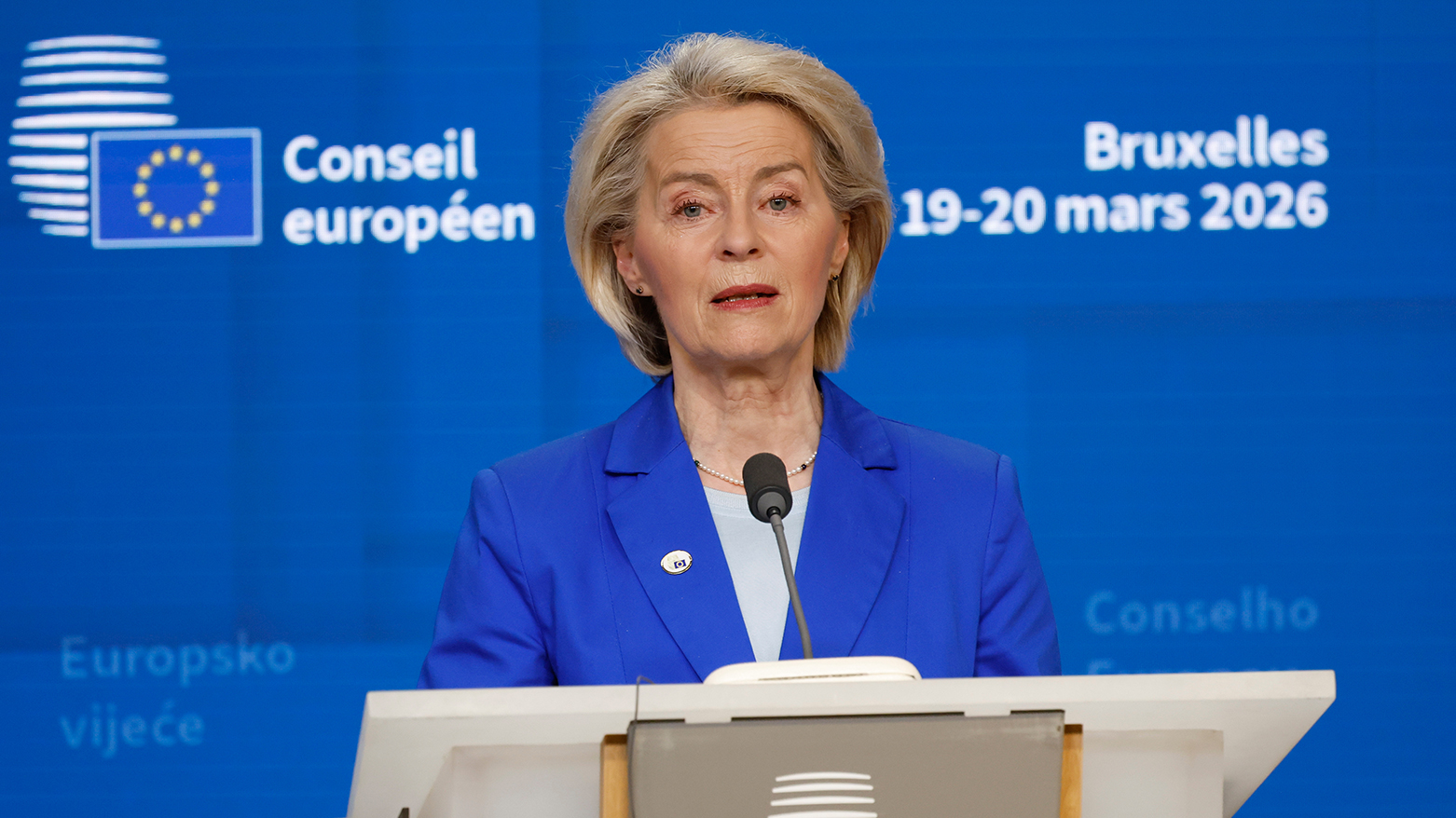
ERBIL (Kurdistan24) - Europe is facing a sharp surge in energy prices as the ongoing war in the Middle East continues to disrupt supply and fuel economic pressure across the continent.
On Friday, European Commission President Ursula von der Leyen said that energy prices have risen by 30 percent due to the conflict, warning that continued instability could drive costs even higher.
She stated that the war between Iran, the United States, and Israel has had a direct impact on the economy, stressing the need for coordinated action to confront rising energy costs. “As the problems and complexities deepen, energy prices will certainly continue to rise,” she said.
Von der Leyen also pointed to attacks targeting commercial vessels and oil tankers, noting that such actions have affected Europe’s energy landscape and contributed to market instability. She stressed the urgency of taking concrete steps and implementing measures to address the surge.
“The war’s most immediate impact on Europe is on energy,” she said, adding that while the European Union’s physical energy supply remains secure, the bloc is not immune to global price fluctuations.
She further noted that “just today, the gas price went up by 30% after attacks on Qatari gas infrastructure,” describing these as reckless attacks on infrastructure and unarmed commercial vessels that raise costs and create future supply risks.
Across the European Union, she said, energy prices have increased in all regions, with electricity costs also rising significantly. Compared to previous levels, electricity prices have surged 15-fold, prompting discussions on reducing taxes on electricity.
Von der Leyen emphasized that the European Union is working in coordination with member states to mitigate the impact of rising energy and electricity costs, including efforts to ease the burden on consumers and industries.
She outlined that the European Commission is preparing temporary, targeted measures to address the crisis, combining immediate relief with structural changes aimed at stabilizing prices.
“We must take action,” she said, highlighting a plan focused on the key components that determine electricity prices, including energy costs, grid charges, taxes, and carbon pricing mechanisms.
The European Commission chief also underlined the importance of strengthening Europe’s energy independence, noting that reliance on global fossil fuel markets contributes to volatility and rising costs.
As the conflict continues to reshape global energy dynamics, von der Leyen’s remarks reflect growing concern within the European Union over economic resilience and the urgent need to contain the impact of escalating tensions.