Russia Urges Diplomatic Resolution to Middle East War Amid Trump Ultimatum to Iran
Kremlin warns against strikes on Iran’s nuclear facilities as Strait of Hormuz remains effectively closed
ERBIL (Kurdistan24) — Russia on Monday called for a “political and diplomatic” settlement to the ongoing Middle East conflict after U.S. President Donald Trump issued an ultimatum for Iran to reopen the Strait of Hormuz.
Trump threatened to “obliterate” Iran’s power plants if Tehran did not restore navigation through the strategic waterway within 48 hours, a deadline set to expire late Monday. The strait has been effectively closed since February 28, when U.S.-Israeli bombardment of Iran sparked the conflict.
Speaking to journalists, including AFP, Kremlin spokesman Dmitry Peskov emphasized that the situation required a political and diplomatic solution.
“This is the only thing that can effectively contribute to defusing the catastrophically tense situation that has now developed in the region,” Peskov said.
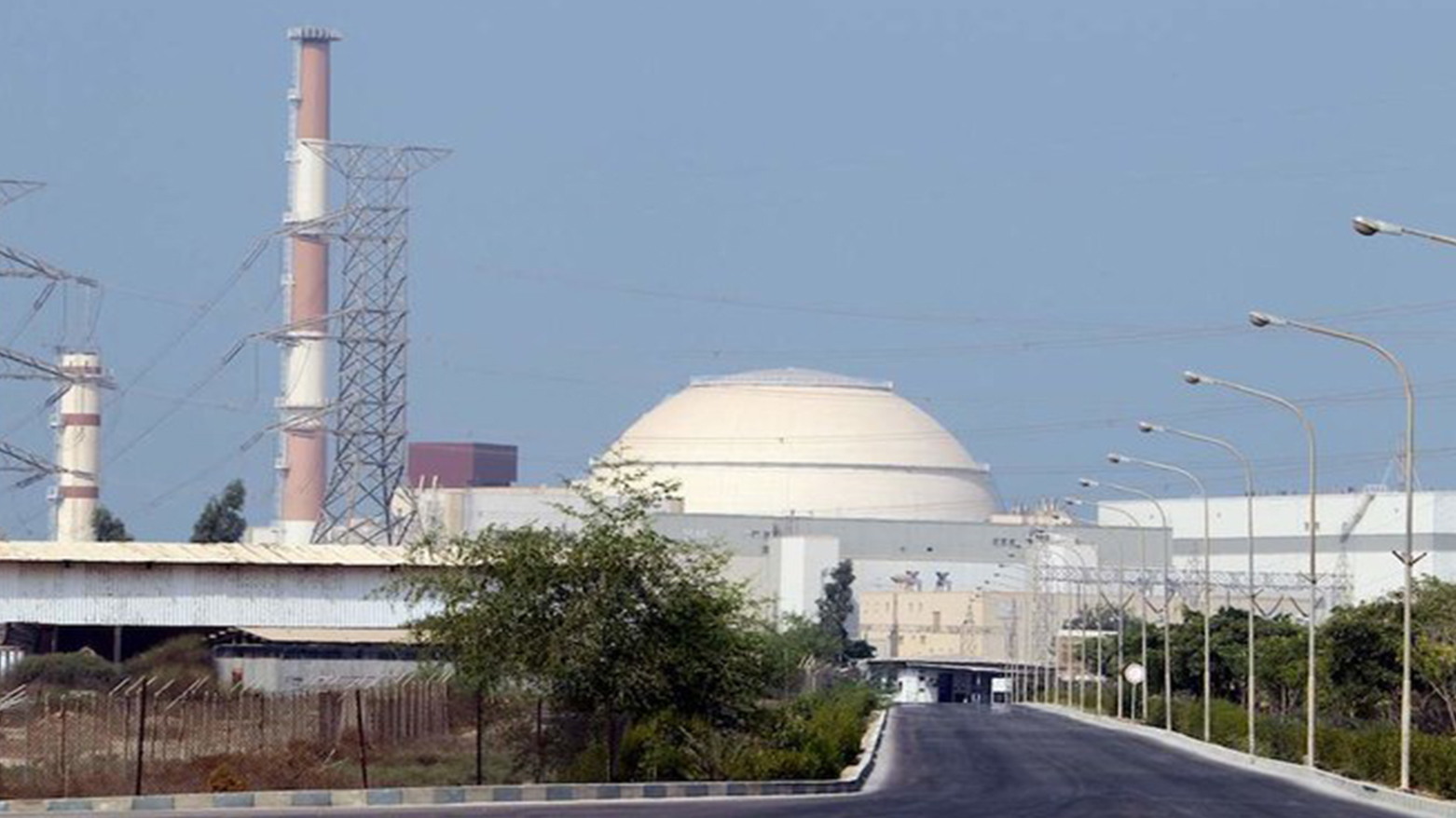
Peskov highlighted particular concern over Iran’s nuclear facilities. Russia, which assisted in building Iran’s only operational nuclear power plant at Bushehr Nuclear Power Plant, warned against strikes that could endanger the site.
He noted that the UN’s nuclear watchdog reported last week that the plant had been hit by a projectile.
“Of course, this poses a very serious security threat if this trend continues,” Peskov said, adding that attacks on nuclear facilities could be “potentially extremely dangerous and fraught with, perhaps even irreversible, consequences.”
The Kremlin confirmed it remains in “constant dialogue” with the International Atomic Energy Agency (IAEA) regarding the safety of the Bushehr plant.
Last week, IAEA Director General Rafael Grossi urged restraint during the conflict to avoid any risk of a nuclear accident, highlighting the high stakes of military actions in the region.
Russia’s comments come as tensions escalate across the Gulf, with Tehran and Washington locked in a standoff over navigation through the Strait of Hormuz, a key artery for global oil trade.
Analysts warn that continued military escalation could have catastrophic consequences for regional stability and international energy markets.
The Bushehr Nuclear Power Plant, located on the Gulf coast near the city of Bushehr, is Iran’s first and only operational nuclear facility, with construction initially begun in the 1970s under German assistance and later completed with Russian support.
Strategically, the plant represents a critical component of Iran’s civilian nuclear energy program, providing a significant portion of the country’s electricity while symbolizing Tehran’s technological and scientific ambitions.
Regionally, Bushehr holds heightened significance due to its proximity to the Gulf’s key shipping lanes, including the Strait of Hormuz, through which a substantial share of the world’s oil supply transits.
The facility has repeatedly drawn international attention and concern because any military strike near it could trigger severe environmental and humanitarian consequences, potentially destabilizing the Gulf and affecting neighboring countries.
Its strategic location and symbolic value make Bushehr both a cornerstone of Iran’s energy independence and a potential flashpoint in regional geopolitical tensions.