Japan’s Prime Minister Emphasizes Middle East Stability and Energy Security
Japan’s Prime Minister Sanae Takaichi emphasized the need for Middle East stability, secure navigation through the Strait of Hormuz, and energy supply safeguards, highlighting joint U.S.-Japan oil stockpiling and citizen evacuations amid ongoing Iran tensions.
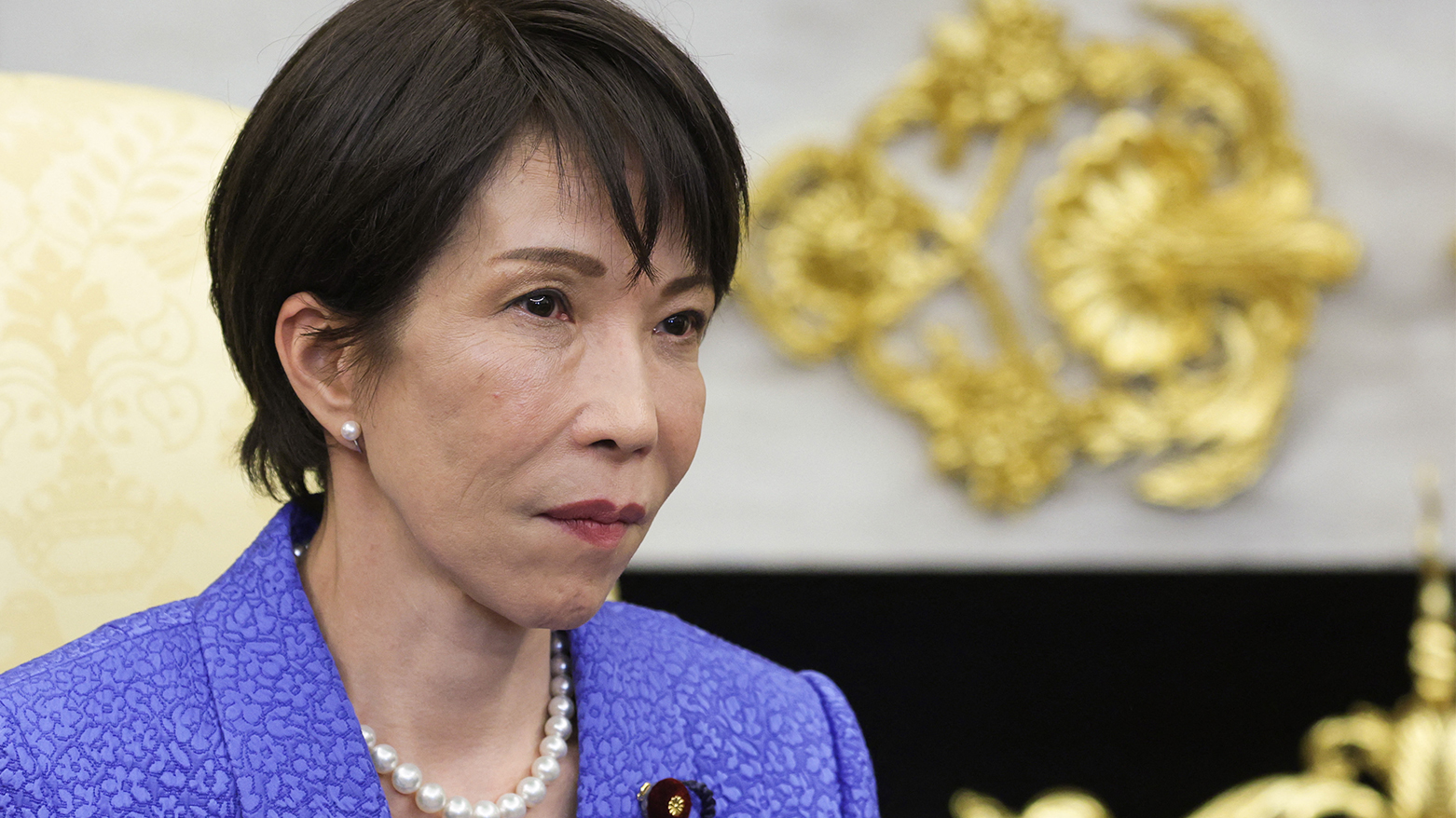
ERBIL (Kurdistan24) - Japan’s Prime Minister, Sanae Takaichi, stressed Tuesday the importance of maintaining peace and stability in the Middle East, including ensuring safe navigation through the Strait of Hormuz, in remarks posted on her X account.
Takaichi highlighted that these measures are critical not only for regional security but also for the stability of global energy supplies, which directly affect Japan’s economic and strategic interests.
In her statement, Takaichi noted ongoing diplomatic efforts to reduce tensions in Iran, emphasizing close communication with relevant countries at multiple levels.
She referenced a summit last week with U.S. President Donald Trump, in which both leaders affirmed the importance of de-escalating the situation in Iran as quickly as possible and maintaining secure maritime routes in the Strait of Hormuz.
Regarding energy cooperation, Takaichi said Japan and the United States will work together to expand production of U.S.-produced crude oil and pursue a joint project to stockpile U.S.-sourced crude. These steps aim to ensure a stable supply of petroleum amid regional instability.
Takaichi also addressed the protection of Japanese nationals abroad. She noted that, in addition to evacuations from Iran and Israel to neighboring countries, the Japanese government has operated six government-chartered flights from Gulf countries to Japan, facilitating the safe departure of 1,160 Japanese citizens and others.
Furthermore, she confirmed that one Japanese national detained in Iran was able to leave the country on March 20 with support from the Japanese embassy and returned to Japan on March 22.
The prime minister instructed relevant ministries to continue addressing these matters with a sense of urgency, underlining the goal of early de-escalation and broader regional stability.
Takaichi detailed measures to mitigate the impact of Middle East tensions on Japan’s domestic economy. She said private stockpiles of petroleum products, including gasoline, would be released beginning March 16, with national stockpiles to follow starting March 26.
Joint stockpiles with oil-producing countries are also scheduled for release this month. These measures are intended to secure sufficient petroleum supplies for domestic consumption and to prevent disruptions to economic activities.
In addition, Takaichi announced the implementation of subsidies starting March 19 to curb prices of petroleum-related products, including gasoline, diesel, heavy fuel oil, and kerosene.
She clarified that electricity and gas rates, determined based on fuel import costs from two to four months prior, are not expected to rise immediately despite the current situation.
For petroleum-related products not used as energy sources, such as naphtha, the prime minister indicated that the Ministry of Economy, Trade and Industry would coordinate policies to protect citizens’ livelihoods.
This includes considering global supply conditions, domestic inventory levels, and the broader supply chain, spanning industrial, agricultural, and healthcare needs. The ministry will report findings and policies to the relevant ministerial meeting.
Takaichi concluded that Japan will continue diplomatic and economic measures to maintain regional stability, secure energy supplies, and safeguard the well-being of Japanese citizens at home and abroad.