Iran Expands Missile and Drone Strikes Across Gulf, Targets Israel and U.S. Bases
Kuwait airport hit again as regional war enters fourth week, triggering widespread air defense responses
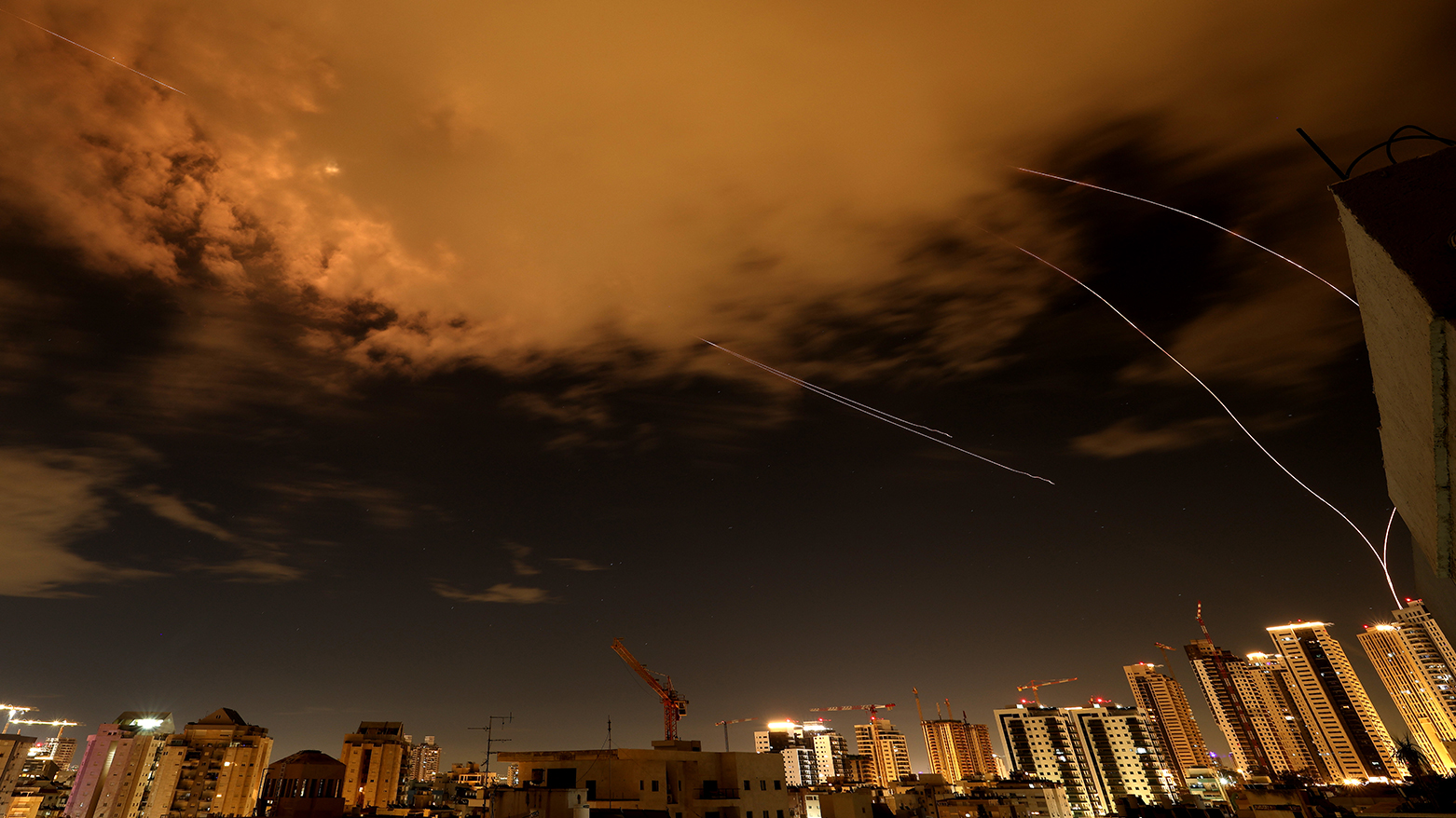
ERBIL (Kurdistan24) — Iran’s Islamic Revolutionary Guard Corps (IRGC) on Wednesday announced a new wave of missile and drone attacks targeting Israel as well as military installations hosting U.S. forces across the Gulf, marking a significant escalation in the nearly four-week regional conflict.
According to a statement carried by state broadcaster Islamic Republic of Iran Broadcasting (IRIB), the IRGC said it struck “targets in the heart of the occupied territories,” referring to Israel, in addition to U.S. military bases in Kuwait, Jordan, and Bahrain.
The statement added that the campaigns involved “precision-guided liquid- and solid-fuel missile systems and attack drones.”
In Kuwait, authorities reported multiple incoming threats early Wednesday, prompting an active response from air defense systems. The Kuwaiti army said its forces were “currently responding to hostile missile and drone attacks,” while the Kuwait National Guard confirmed intercepting six drones.
One of the attacks struck Kuwait International Airport, where drones hit a fuel tank and ignited a fire. The Directorate General of Civil Aviation described the damage as “limited” and confirmed that no casualties were recorded.
Firefighters were deployed to contain the blaze, according to agency spokesman Abdullah Al-Rajhi.
The airport, a critical civilian and logistical hub, has faced repeated strikes since the conflict began on February 28, when the United States and Israel launched coordinated attacks on Iranian targets.
Previous incidents included a March 14 drone strike that damaged the airport’s radar system, and earlier attacks that hit fuel storage and a passenger terminal, causing minor injuries.
Elsewhere in the region, Bahrain activated air raid sirens as a precaution, its interior ministry said. In Jordan, authorities reported that missile shrapnel fell near the capital, Amman, without causing casualties or damage.
Saudi Arabia also confirmed intercepting at least four drones over its eastern region, underscoring the broad geographic scope of the Iranian offensive.
In Israel, the military reported that its air defense systems engaged incoming Iranian missiles, triggering warning sirens across much of the country’s central areas. No immediate reports of casualties or major damage were released.
The intensifying conflict has significantly disrupted civilian aviation across the Gulf. Major international airlines have either suspended flights to the region or reduced operations, citing both security risks and fuel shortages linked to the ongoing hostilities.
The latest wave of coordinated strikes highlights the widening regional footprint of the conflict, with multiple Gulf states now directly impacted, raising concerns over further escalation and the potential for broader destabilization.