Trump Says Iran ‘Better Get Serious Soon, Before It Is Too Late’
"The Iranian negotiators are very different and “strange.” They are “begging” us to make a deal, which they should be doing since they have been militarily obliterated, with zero chance of a comeback," U.S. President Donald Trump said.
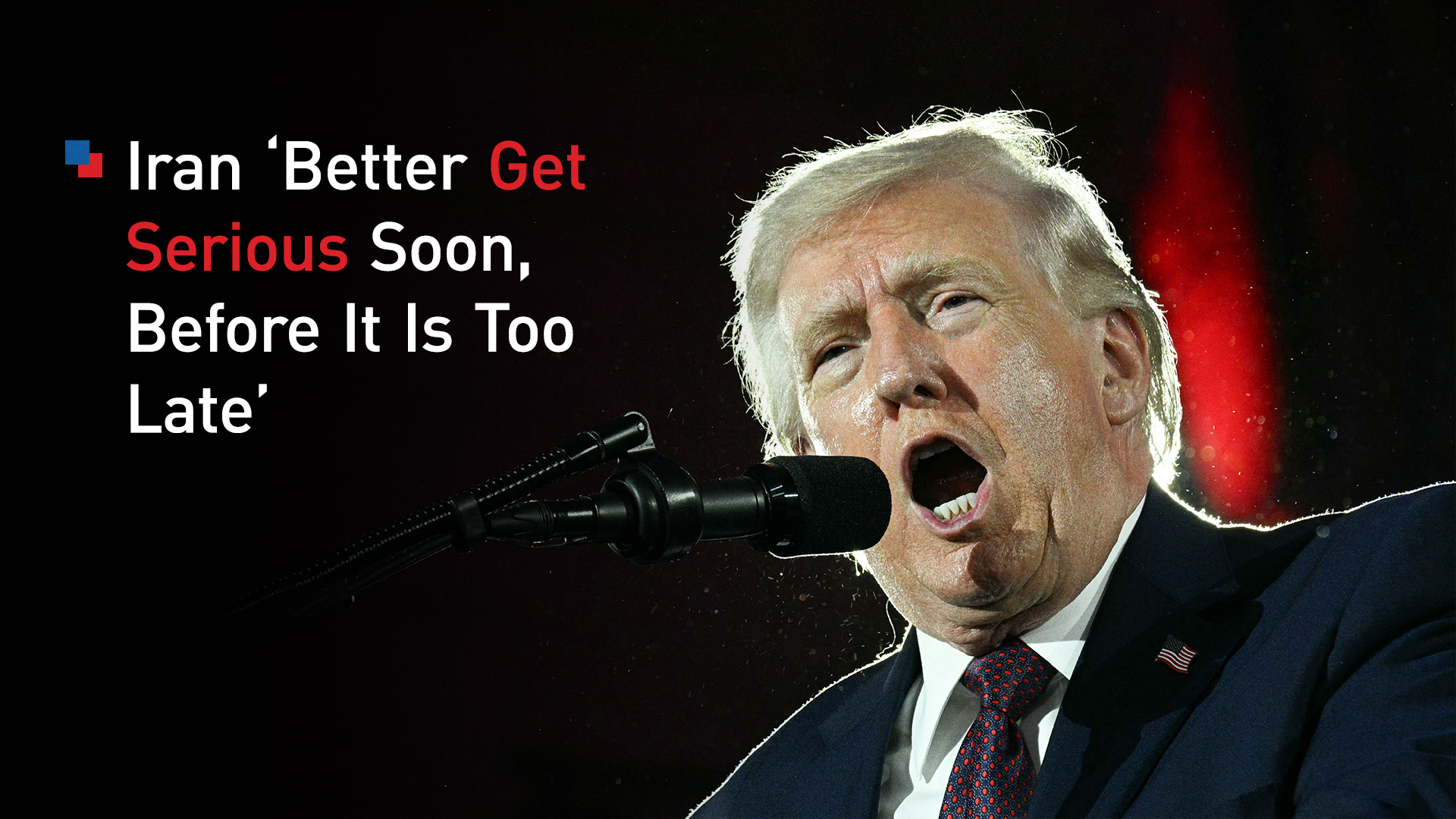
ERBIL (Kurdistan24) - U.S. President Donald Trump said Thursday that Iranian negotiators are “begging” for a deal despite publicly stating they are only reviewing proposals, while also criticizing NATO allies for what he described as a lack of support in the ongoing conflict, according to posts published on his Truth Social platform.
“The Iranian negotiators are very different and ‘strange.’ They are ‘begging’ us to make a deal, which they should be doing since they have been militarily obliterated, with zero chance of a comeback,” Trump wrote, adding that Tehran’s public position that it is only “looking at our proposal” was incorrect.
He further warned that Iran “better get serious soon, before it is too late,” stating that once a certain point is reached, “there is NO TURNING BACK, and it won’t be pretty,” according to the post.
In a separate message, Trump criticized NATO member states, writing that they “have done absolutely nothing to help” in the confrontation with Iran, while asserting that the United States does not require assistance from the alliance.
The remarks come amid ongoing U.S. military operations against Iran and parallel diplomatic contacts between the two sides. White House Press Secretary Karoline Leavitt said earlier that Washington remains prepared to escalate its military campaign if negotiations fail, while maintaining that talks are continuing.
“President Trump does not bluff, and he is prepared to unleash hell. Iran should not miscalculate again,” Leavitt said, adding that any further violence would result from Tehran’s refusal to accept what she described as its military defeat.
The White House has indicated that discussions between U.S. and Iranian representatives remain active, despite reports in Iranian state media suggesting Tehran had rejected a proposed framework for ending the conflict. Leavitt cautioned against relying on unverified details, stating that some elements circulating publicly were inaccurate while confirming that negotiations were ongoing.
At the same time, the administration has described its military campaign, known as Operation Epic Fury, as progressing ahead of schedule. According to figures cited by the White House, more than 9,000 targets have been struck since the start of the operation, and Iran’s missile and drone attack capabilities have been reduced significantly.
Officials also said U.S. forces have destroyed more than 140 Iranian naval vessels over a three-week period, including nearly 50 mine-laying ships, as part of efforts to limit threats to maritime navigation.
The United States has emphasized securing the Strait of Hormuz as a key objective. Leavitt said recent strikes targeted facilities storing anti-ship missiles and mobile launch systems along the coastline, aimed at reducing risks to commercial shipping.
Trump, speaking separately at a political event, reiterated claims of significant military success, stating that the United States was “winning so big” in its operations against Iran. He also asserted that Tehran’s nuclear ambitions had been halted through military action, though specific details were not provided.
The administration has maintained that a temporary pause on certain strikes, particularly those targeting energy infrastructure, was implemented following what it described as productive discussions with Iranian counterparts. However, broader military operations have continued.
Officials have declined to provide details on the content or structure of any proposed agreement, citing the sensitivity of ongoing diplomatic efforts.
Trump’s statements on Thursday reiterated his administration’s position that Iran is under sustained military pressure while also signaling urgency in negotiations, as both military operations and diplomatic contacts continue.
The U.S. president said Iranian negotiators should act quickly, while also emphasizing that Washington would proceed independently of NATO involvement.
The statements underscore the dual-track approach outlined by the administration, combining continued military operations with ongoing diplomatic engagement.
The developments follow continued U.S. assertions that its military campaign has significantly weakened Iran’s capabilities while negotiations remain underway.