Zelenskyy Accuses Russia of Sharing Intelligence with Iran, Calls It ‘Blackmail’
Ukrainian leader says Kyiv engaging Gulf states on defense cooperation as regional tensions escalate
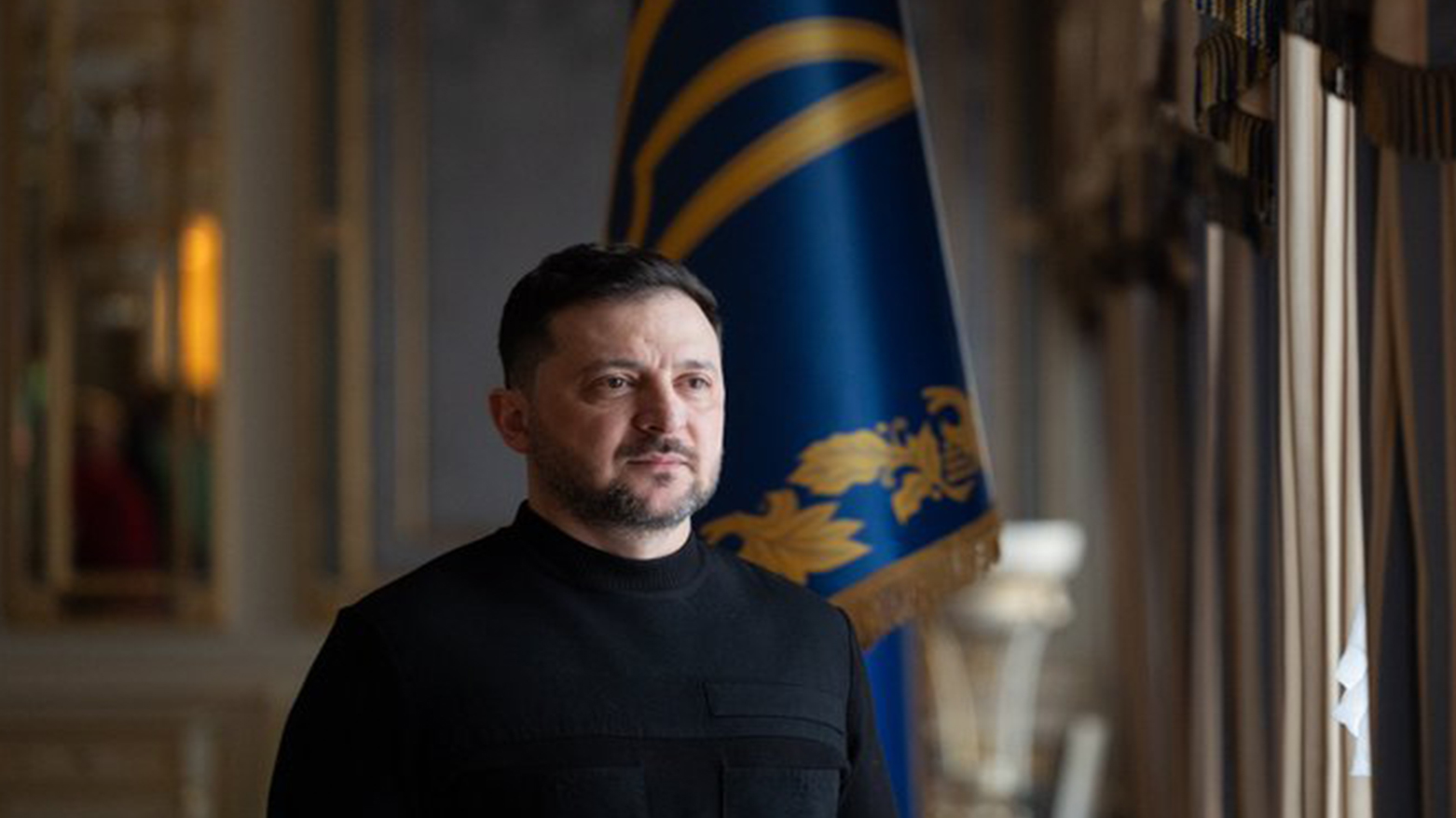
ERBIL (Kurdistan24) — Volodymyr Zelenskyy, Ukraine's President, on Thursday accused Russia of providing intelligence support to Iran, describing the move as a form of “blackmail” linked to U.S. assistance for Ukraine.
In statements published on his X account following an interview with Le Monde, Zelenskyy said Ukrainian intelligence agencies had evidence that Moscow was sharing information with Tehran, despite publicly suggesting it would only do so if Washington halted intelligence-sharing with Kyiv.
“Russia is doing this while saying, ‘We won’t provide intelligence to Iran if America stops sharing intelligence with Ukraine.’ Isn’t this blackmail? Absolutely,” Zelenskyy said. “Russia has been sharing intel regardless, but they are presenting it as a bargaining chip in this game.”
He added that such tactics could potentially influence U.S. policy, particularly regarding intelligence support to Ukraine, depending on how the situation in the Middle East evolves.
Zelenskyy’s remarks come amid intensifying regional conflict involving Iran and U.S.-aligned countries, raising concerns about overlapping geopolitical theaters where the war in Ukraine and Middle East tensions increasingly intersect.
The Ukrainian president also revealed that Kyiv is deepening its engagement with Middle Eastern partners, including Saudi Arabia, Qatar, the United Arab Emirates, Bahrain, Jordan, and Kuwait, as well as the United States, regarding security cooperation and defense coordination.
According to Zelenskyy, Ukrainian expert teams are already deployed in parts of the region, working with partners to assess air defense needs and share operational experience gained during Ukraine’s war with Russia.
He stressed that even advanced systems such as Patriot and THAAD missile defenses are insufficient on their own to counter modern aerial threats, particularly large-scale drone attacks. Instead, he highlighted the importance of integrated systems, including interceptor drones and specialized operational expertise.
“Interceptor drones don’t work without our expertise. It’s the system that works,” Zelenskyy said, emphasizing Ukraine’s growing role as a provider of battlefield-tested defense solutions.
Zelenskyy also pointed to financial constraints facing Ukraine’s defense sector, noting that the country’s industry is currently operating at only half capacity due to limited funding.
“Funding is the scarcest resource today,” he said, adding that Ukraine is seeking mutually beneficial agreements with Middle Eastern partners. Kyiv is offering to sell surplus systems while also looking to secure access to air defense missiles it currently lacks.
The proposed arrangements reflect Ukraine’s broader strategy to sustain its war effort against Russia while leveraging its combat experience to build new defense partnerships abroad.
Zelenskyy’s comments highlight the increasingly interconnected nature of global conflicts, as developments in the Middle East risk influencing the trajectory of the war in Ukraine.
Allegations of Russian intelligence support to Iran, if substantiated, could further complicate relations between Moscow and Washington, while deepening concerns among U.S. allies in both regions.
As tensions escalate, Ukraine’s outreach to Gulf states signals a shift toward more diversified security cooperation, positioning Kyiv not only as a recipient of aid but also as an emerging contributor to regional defense frameworks.