Russia Confirms Supplying Military Equipment to Iran but Denies Sharing Intelligence on US Positions
Russia confirms supplying military equipment to Iran but denies sharing intelligence, as Putin warns the Middle East war could have global consequences worse than COVID-19.
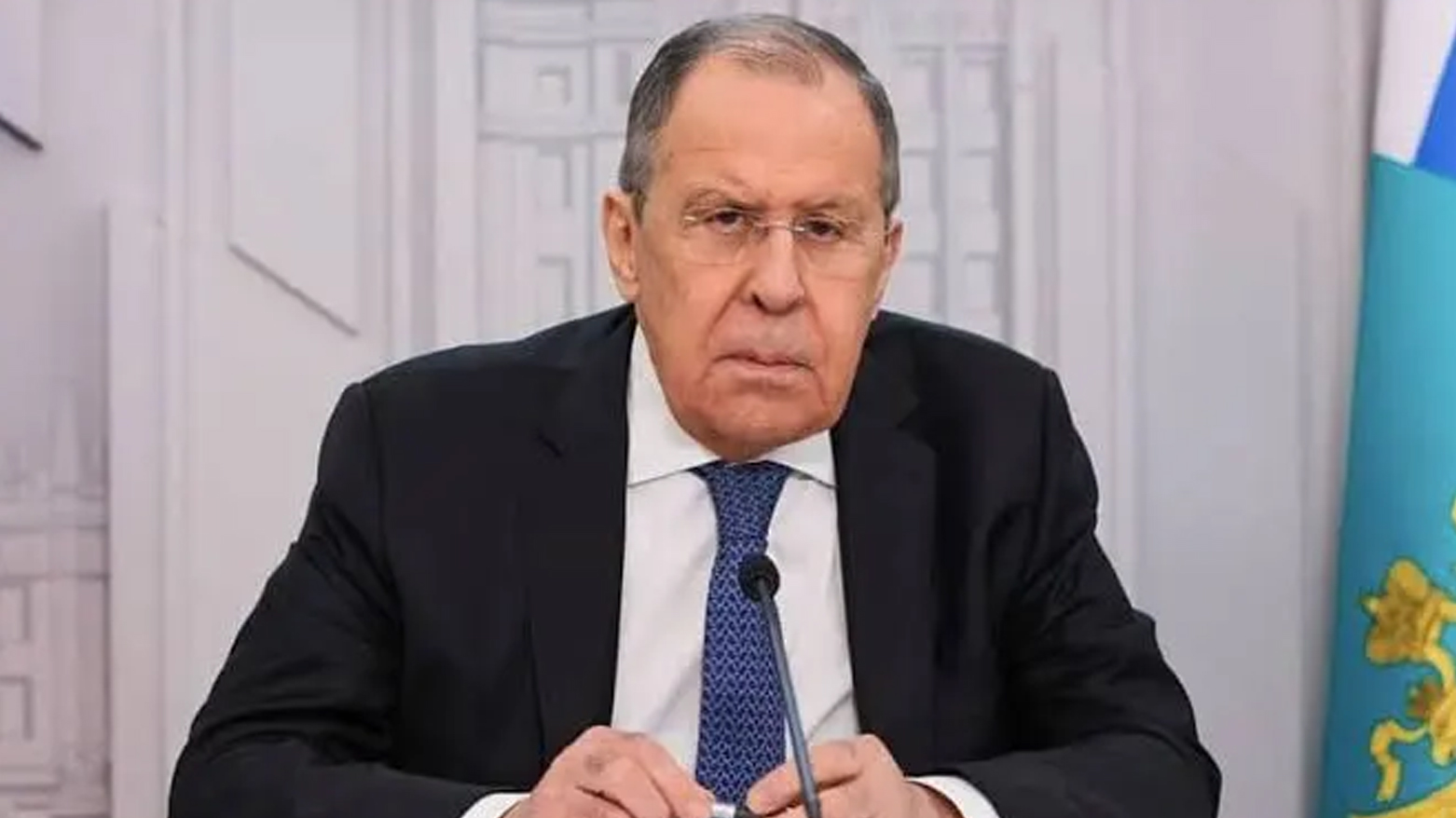
ERBIL (Kurdistan24) - Russia has acknowledged supplying military equipment to Iran while firmly rejecting claims that it has provided intelligence targeting US positions in the region, amid mounting scrutiny over Moscow’s role in the escalating conflict.
Russian Foreign Minister Sergey Lavrov stated in an interview with French television that Moscow maintains a close and strategic relationship with Tehran, including a framework for technical and military cooperation.
“We have a technical-military cooperation agreement, and within that framework, we have provided military equipment to Iran,” Lavrov said.
However, he denied reports that Russia had shared intelligence with Tehran regarding US military bases in the Middle East. He said: “Russia has not provided any intelligence information to Iran, because Tehran itself has precise knowledge of US positions and bases in the region and does not need us.”
In another part of his remarks, Lavrov defended Iran’s nuclear program, stating that Tehran has not violated any international obligations. He added: “It was Washington that withdrew from the nuclear agreement and failed to uphold its commitments, not Iran.”
His comments come at a time when military cooperation between Moscow and Tehran has drawn increased attention and concern from Western countries.
The statements follow warnings from Russian President Vladimir Putin, who cautioned that the consequences of the ongoing war in the Middle East could exceed the global impact of the COVID-19 pandemic.
Speaking on Thursday, Putin said the outcomes of the conflict involving the United States, Israel, and Iran remain unpredictable. “No one has the ability to foresee the consequences of this war,” he said, adding that even the parties involved cannot determine its trajectory.
He described the conflict as highly complex and warned that its global repercussions could be severe, with some reports suggesting the consequences may be “more severe than the impact of the coronavirus on the world.”
The escalation follows developments on February 28, 2026, when the United States and Israel launched airstrikes on Iran, killing several senior figures. Iran responded shortly afterward by firing missiles toward Israel and targeting multiple US military bases across the region.
Amid rising tensions, Russia has taken precautionary steps regarding its presence in Iran. Alexey Likhachev confirmed that 163 personnel were evacuated from the Bushehr nuclear power plant toward the Iranian-Armenian border early Wednesday morning, while around 300 personnel remain, with a smaller number expected to stay to oversee operations.
The Bushehr facility, constructed with Russian involvement, relies on Russian technicians and had already seen the withdrawal of 150 staff due to concerns over potential airstrikes. Iran’s atomic energy organization said a projectile landed within the site but caused no damage, accusing the United States and Israel of targeting the facility.
Following the incident, the United Nations’ nuclear watchdog called for “maximum restraint” to prevent risks to nuclear safety.
As Russia clarifies the extent of its support to Iran, concerns continue to grow over the widening scope of the conflict and its potential global consequences.