Syria's al-Sharaa Begins Official Visit to Germany Focused on Reconstruction, Refugee Returns
Ahmed al-Sharaa began a Berlin visit Monday for talks with Frank-Walter Steinmeier and Friedrich Merz on Syria’s reconstruction and refugee returns.
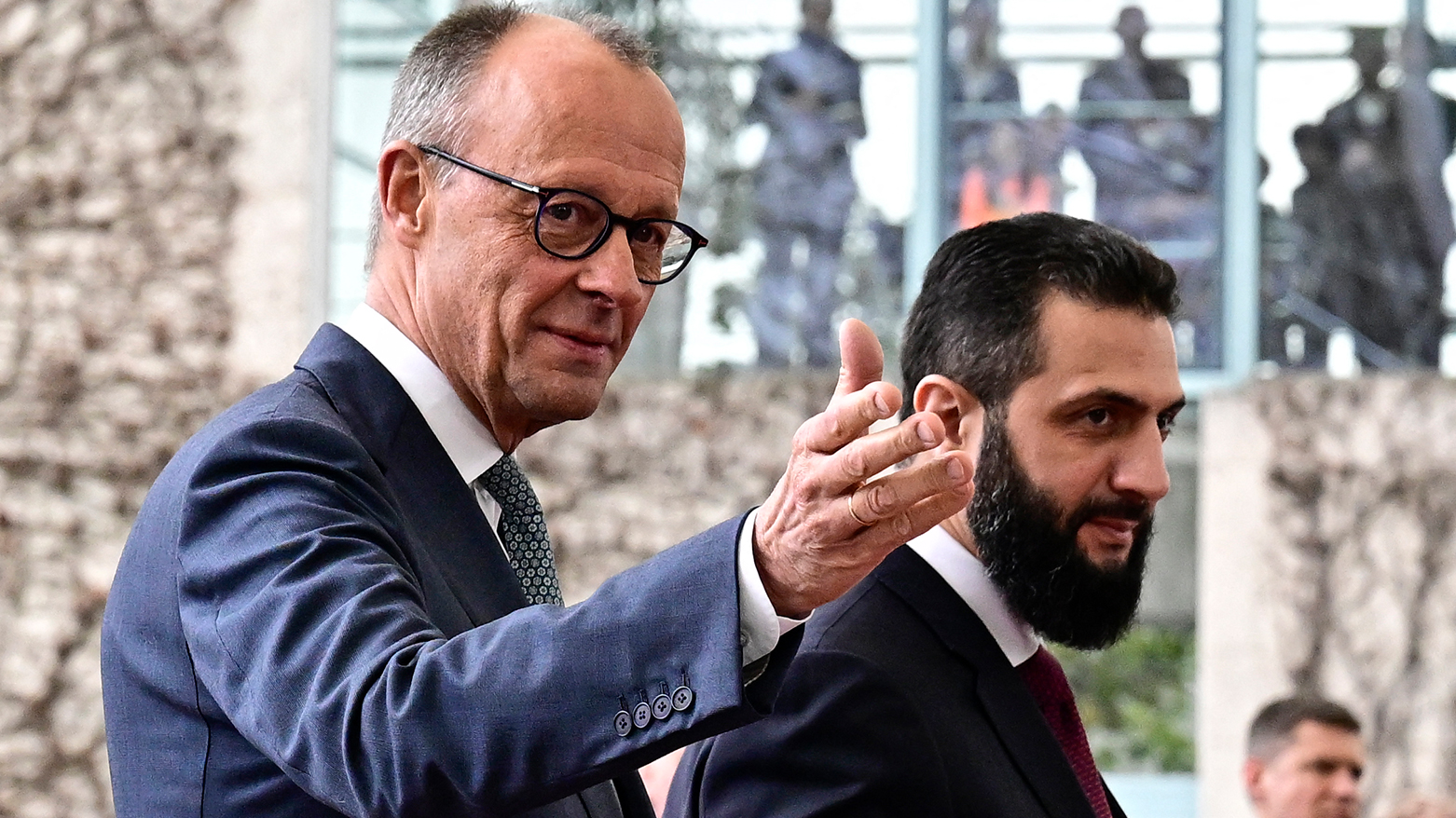
ERBIL (Kurdistan24) - Syrian President Ahmed al-Sharaa commenced an official diplomatic visit to Berlin on Monday to conduct high-level discussions regarding the ongoing Middle East war, national reconstruction efforts, and the potential repatriation of Syrian refugees currently residing in Europe.
According to a dispatch from Agence France-Presse, the visit marks Sharaa's first diplomatic trip to Germany since he ousted the country's longtime ruler, Bashar al-Assad, in late 2024. The Syrian leader's itinerary began Monday morning with a formal meeting with German President Frank-Walter Steinmeier.
The schedule also includes scheduled talks with German Chancellor Friedrich Merz and Interior Minister Alexander Dobrindt.
The diplomatic engagement holds significant demographic implications, as Germany currently hosts the largest Syrian diaspora within the European Union. More than one million Syrians reside in the country, with a substantial portion having arrived during the peak of the migrant influx between 2015 and 2016.
During a scheduled address at a German foreign ministry forum in Berlin, Sharaa detailed the extensive rebuilding requirements facing his nation following a 14-year civil war.
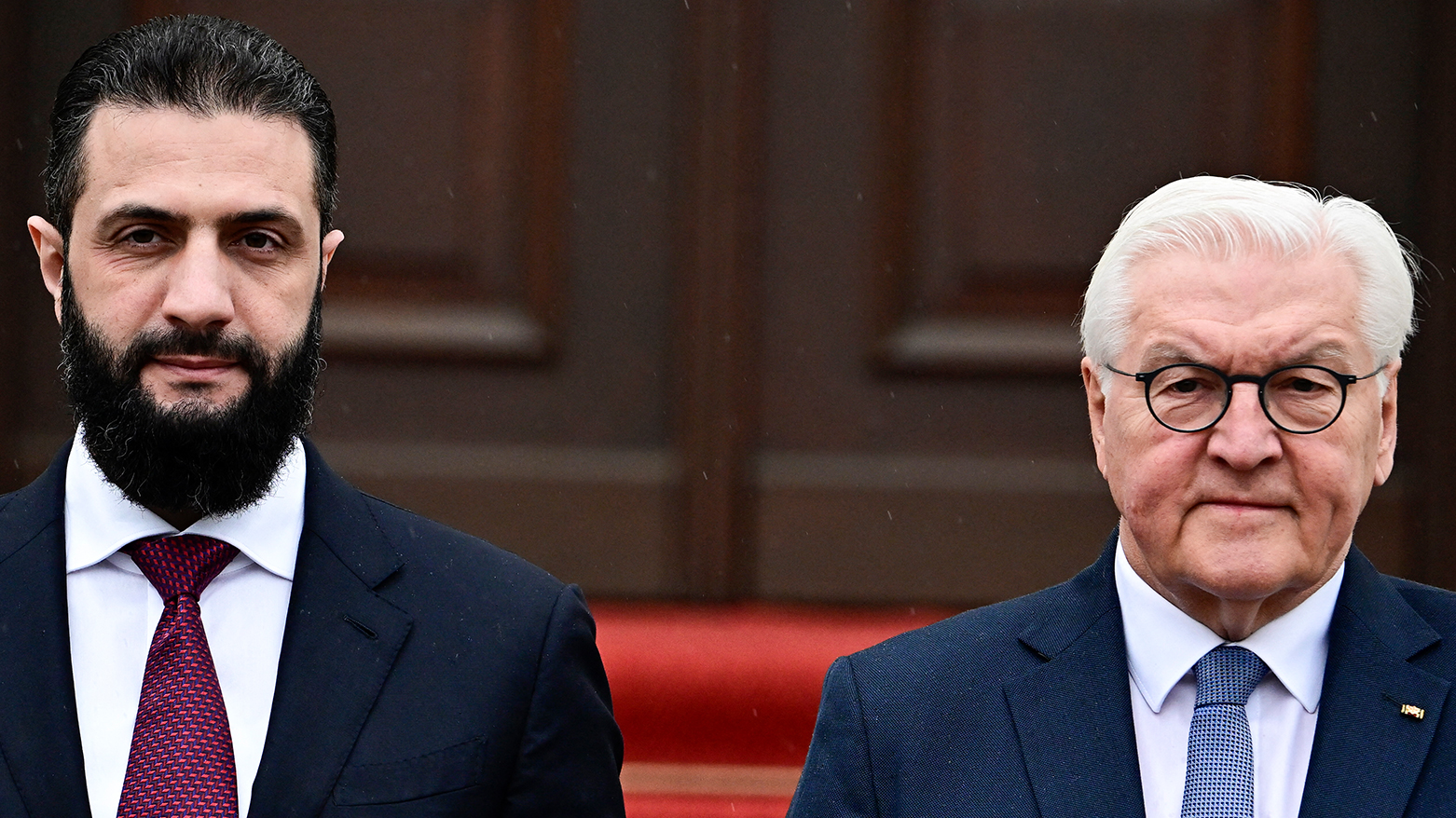
He stated that Syria had experienced a "huge amount of destruction" throughout the conflict. Drawing a historical parallel, the Syrian leader remarked that the Syrian people "want to catch up with the rest of the world" much as Germany did following the conclusion of World War II.
To facilitate this recovery, Sharaa highlighted specific investment opportunities available within Syria's energy, transport, and tourism sectors. He characterized the nation as possessing significant diversity and "a great wealth of human resources."
Addressing the issue of the diaspora, Sharaa indicated a strong preference for the repatriation of Syrians who had fled to Germany, specifically noting their potential contribution to the national reconstruction effort.
"They have studied at German universities, acquired modern expertise that German companies have," he stated.
German Foreign Minister Johann Wadephul publicly affirmed Berlin's commitment to assisting the Syrian recovery process.
"We stand with Syria," Wadephul said during the diplomatic engagements. "The Syrians deserve a chance, and we want to help ensure that this opportunity is well utilised."
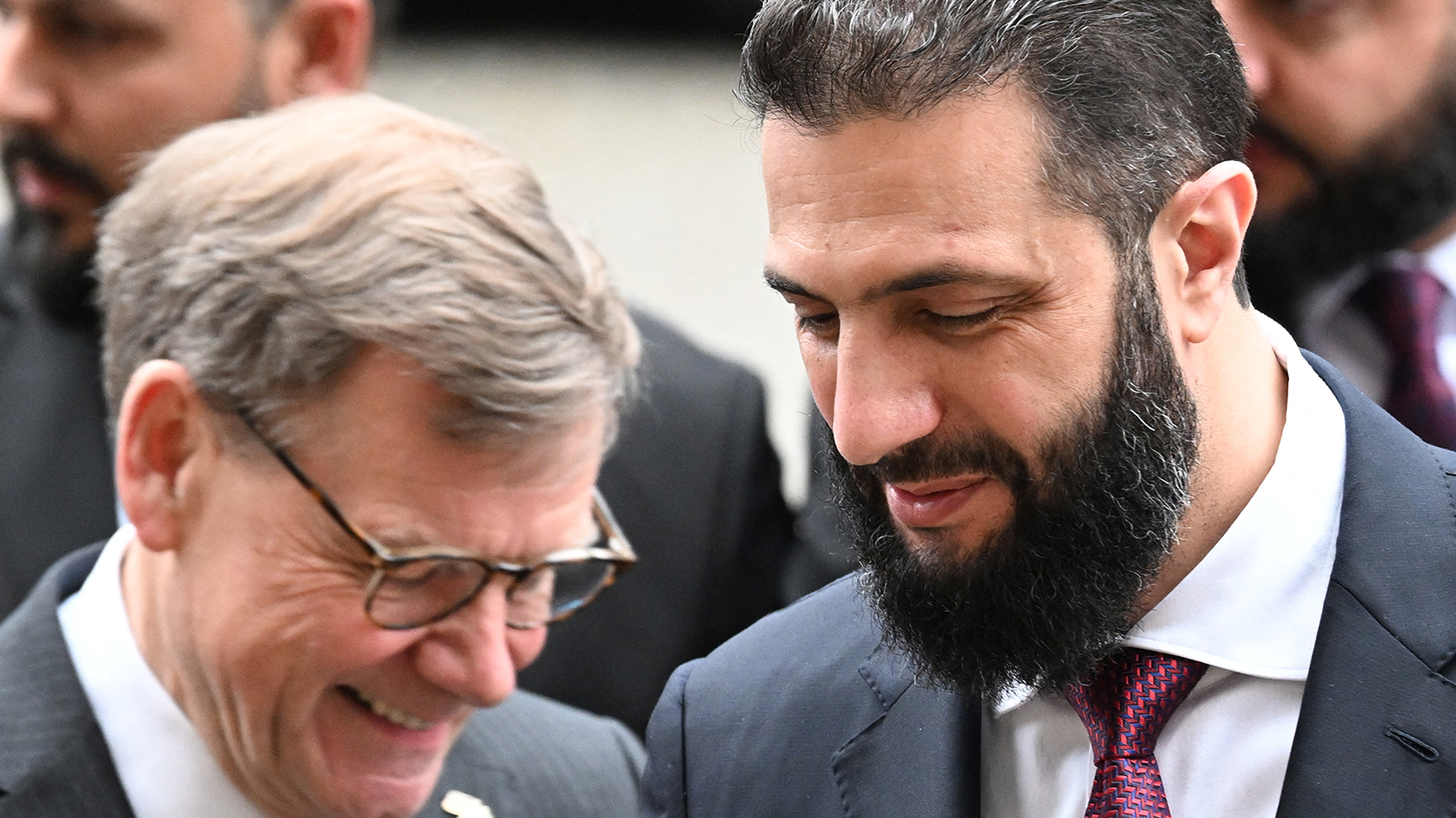
Sharaa, 43, a former Islamist rebel leader, has successfully established diplomatic relations with multiple Western governments since assuming power, undertaking official visits to the United States, France, and Russia.
This diplomatic normalization has resulted in the lifting of numerous international sanctions previously imposed on Syria, a development intended to facilitate the country's postwar reconstruction.
However, the diplomatic reception in Berlin was met with organized public demonstrations and pointed political criticism.
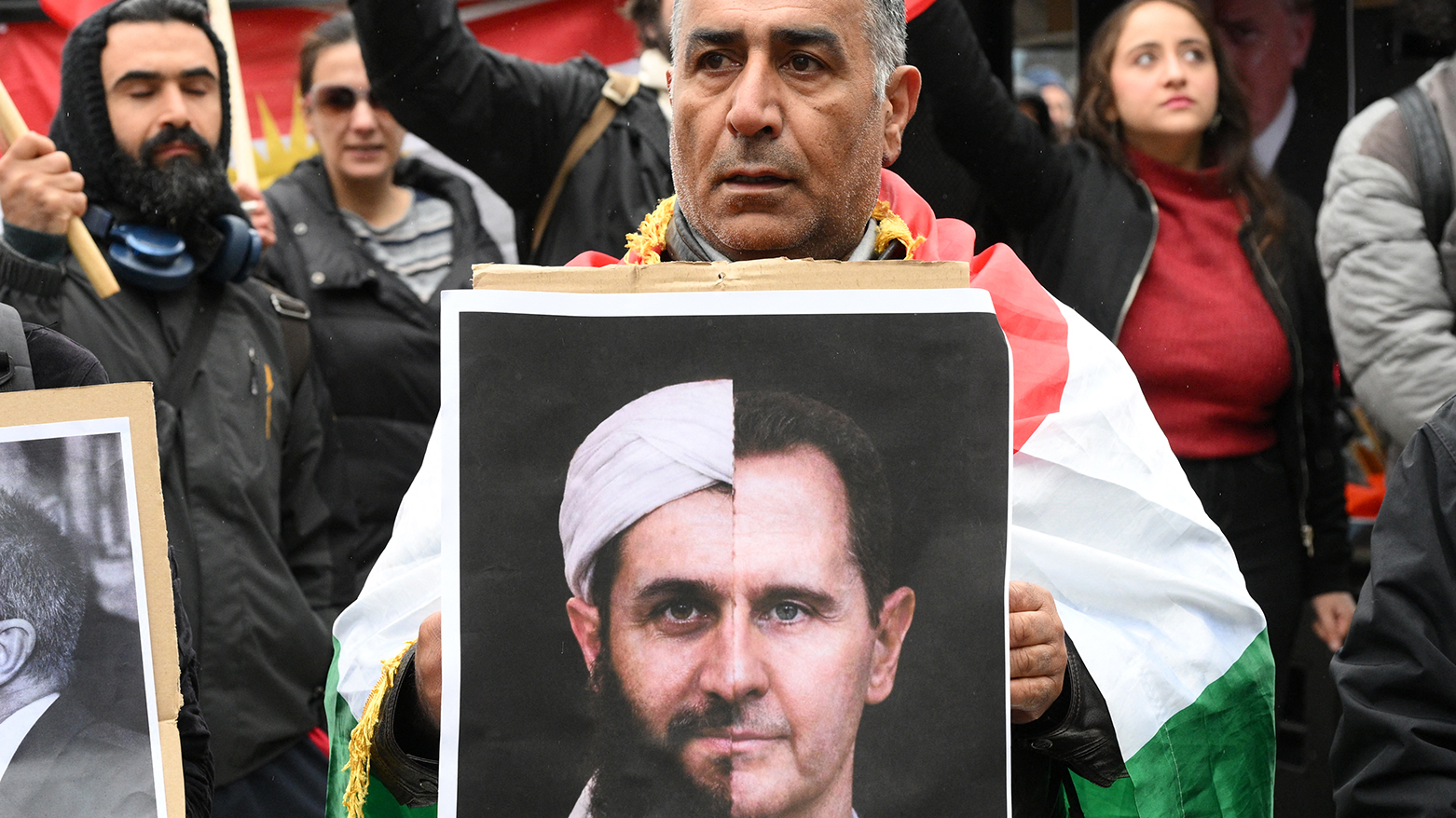
Outside the foreign ministry, protesters waved Kurdish flags and displayed placards criticizing the diplomatic rapprochement between Chancellor Merz and Sharaa, specifically referencing the Syrian leader's background as an Islamist militant.
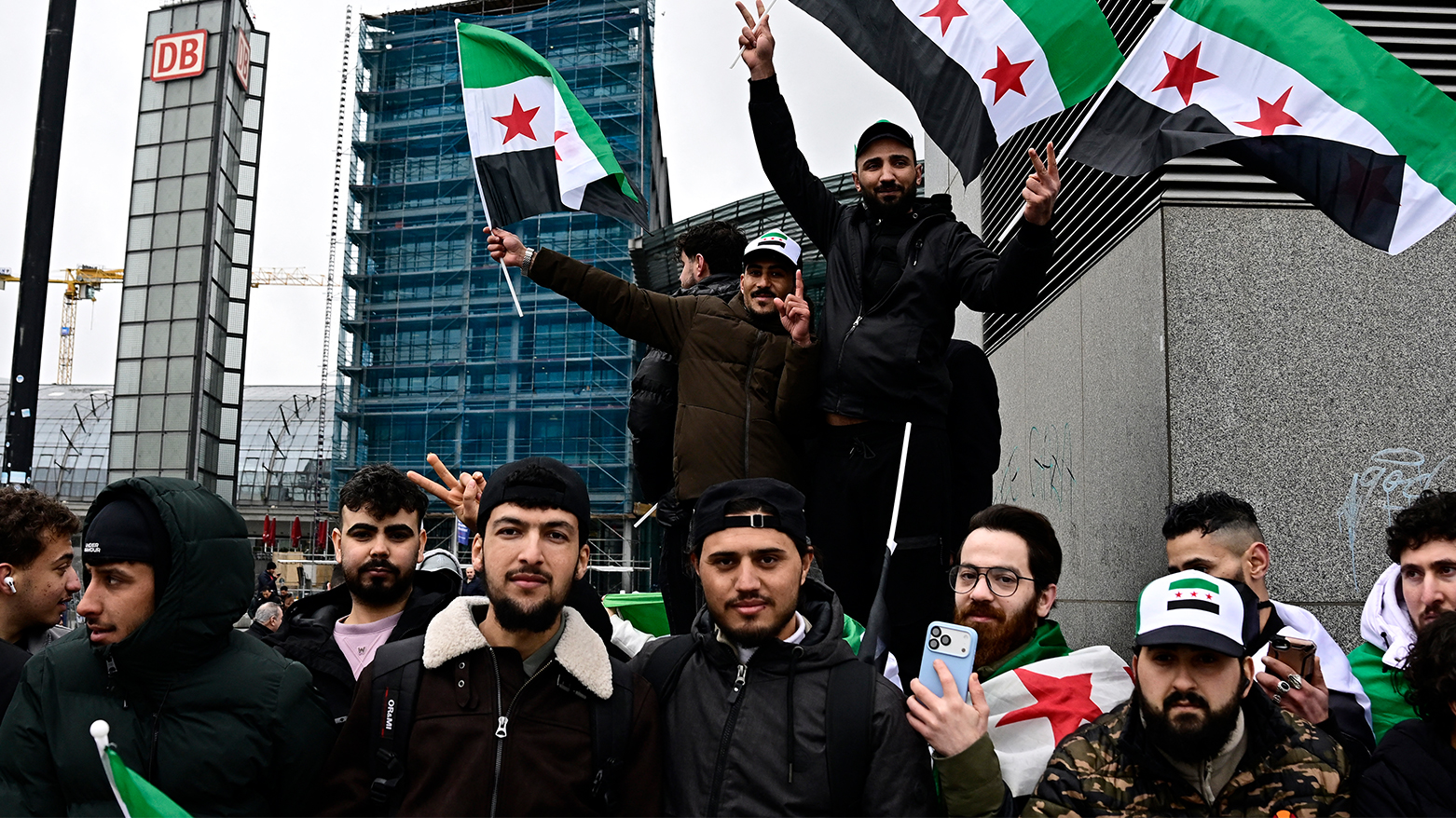
Conversely, a separate gathering of several dozen Syrians convened near the chancellery to welcome Sharaa, displaying Syria's new revolutionary flag and supportive banners.
The visit aligns with shifting domestic political priorities within Germany.
Chancellor Merz, a conservative who assumed office last May, has intensified efforts to limit irregular immigration, a policy stance intended to counter the rising domestic influence of the far-right Alternative for Germany (AfD) party.
Last year, Merz declared that following the conclusion of the Syrian civil war, individuals from the country possess "no grounds for asylum in Germany."
In December, the German government initiated the resumption of deportations for convicted criminals back to Syria, although authorities report that only a limited number of cases have been processed thus far. Merz has also publicly stated his assumption that many Syrians would choose to return home voluntarily.
These domestic immigration policies and the formal reception of Sharaa have drawn sharp criticism from human rights organizations and political opposition figures, who point to continued instability and alleged rights abuses within Syria.
Luise Amtsberg, the foreign affairs spokeswoman for the Green party, cautioned against what she described as "premature normalisation" with Sharaa's administration.
She criticized the Chancellor's approach, stating that Merz had reduced Germany's Syria policy "to the question of deportations and is ignoring the situation on the ground."
Civil society organizations echoed these concerns during the visit. Sophie Bischoff, president of the German-Syrian non-governmental organization Adopt A Revolution, stated that any support provided by the German government "must be linked to clear conditions," warning reporters that "authoritarian tendencies are on the rise again in Syria."
Additionally, Kurdish Community Germany (Kurdische Gemeinde Deutschland or KGD for short), an organization representing the Kurdish community in Germany, issued a statement asserting that Sharaa "bears responsibility for numerous human rights violations, war crimes and crimes against humanity."
The internal security situation in Syria remains complex.
Since Sharaa assumed power, sectarian tensions have resulted in repeated instances of violence, and the Islamic State group continues to operate within the country. Furthermore, geopolitical instability persists along Syria's borders.
Following the overthrow of Assad, Israeli military forces advanced into the UN-patrolled demilitarized zone on the Israeli-annexed Golan Heights and have subsequently conducted hundreds of military strikes and incursions into Syrian territory.
Sharaa’s diplomatic trip to Germany was originally scheduled for January but was postponed as the Syrian leader managed an internal military conflict between government troops and the Kurdish-led Syrian Democratic Forces in the northern region of the country.