Rubio Signals Private Progress in U.S.-Iran Talks Despite Public Defiance
U.S. officials indicate Iranian engagement behind the scenes, even as Tehran projects a defiant posture
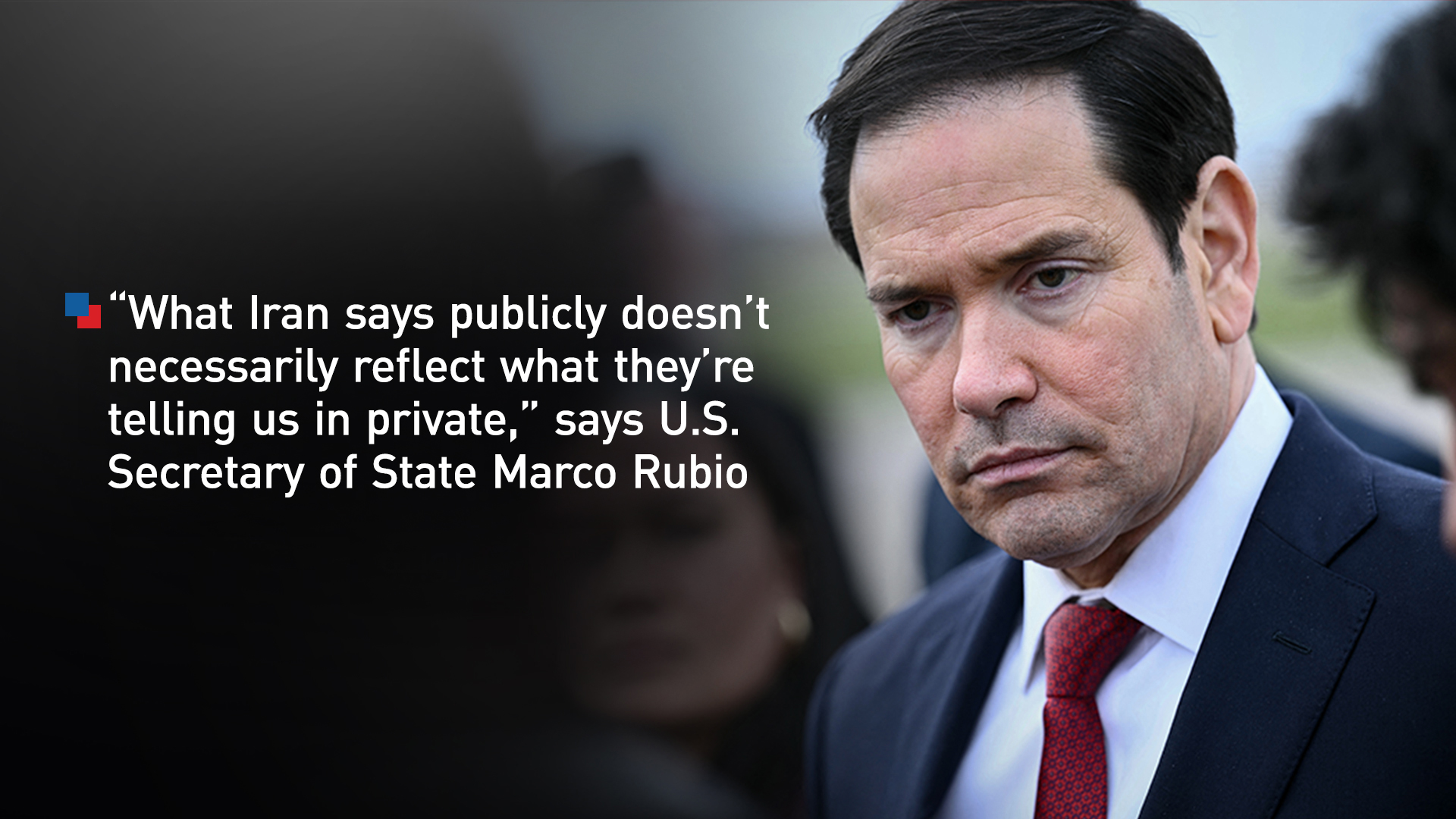
ERBIL (Kurdistan24) — U.S. Secretary of State Marco Rubio, also serving as acting U.S. national security adviser, signaled cautious optimism on Monday regarding ongoing talks with Iran, suggesting that Iranian officials are privately signaling a willingness to engage, despite their public defiance.
“You have people over there that are saying some of the right things privately,” Rubio told ABC’s Good Morning America. “Obviously, they’re not going to put it out in press releases, and what they say to you or put out there for the world doesn’t necessarily reflect what they’re saying in our conversations.”
Rubio also expressed skepticism about whether Iranian officials currently in negotiations have full authority over the country and its military, echoing concerns previously raised by the White House and regional leaders.
“We have to see if these people end up being the ones in charge, seeing if they’re the ones that have the power to deliver,” he said, without disclosing the identities of U.S. negotiating counterparts.
A regional diplomatic source last week described Iran’s leadership as fluid, noting that Tehran’s recent decision to allow more than a dozen ships to transit the Strait of Hormuz suggests at least some officials exercise control over the strategically vital waterway.
Pakistan announced on Sunday that it will soon host U.S.-Iran talks, though no date has been set, according to Foreign Minister Ishaq Dar.
The U.S. has reportedly presented Tehran with a 15-point document outlining desired concessions, while Iran has responded with its own five- to six-point proposal, indicating engagement behind the scenes.
In contrast to these private discussions, Iran maintains a publicly defiant stance. Iranian Foreign Ministry spokesperson Esmaeil Baghaei criticized U.S. proposals on Monday, emphasizing that the Islamic Republic remains focused on self-defense amid perceived military threats.
“Our position is clear. We are under military aggression. Therefore, all our efforts and strength are focused on defending ourselves,” he said, according to Reuters.
Meanwhile, U.S. President Donald Trump weighed in over the weekend, saying the U.S. is performing “extremely well” in negotiations, but added a characteristic warning: “You never know with Iran, because we negotiate with them and then we always have to blow them up.”
Analysts note that the contrast between Tehran’s public messaging and private engagement reflects both internal power dynamics and the sensitive nature of negotiations, underscoring the complexities of reaching a durable agreement amid regional tensions and military threats.