Iran Advances Plan to Impose Tolls in Strait of Hormuz Amid War Disruptions
The proposal contains controversial provisions, including the prohibition of U.S. and Israeli vessels from passing through the Strait, as well as measures to counter sanctions imposed on Iran
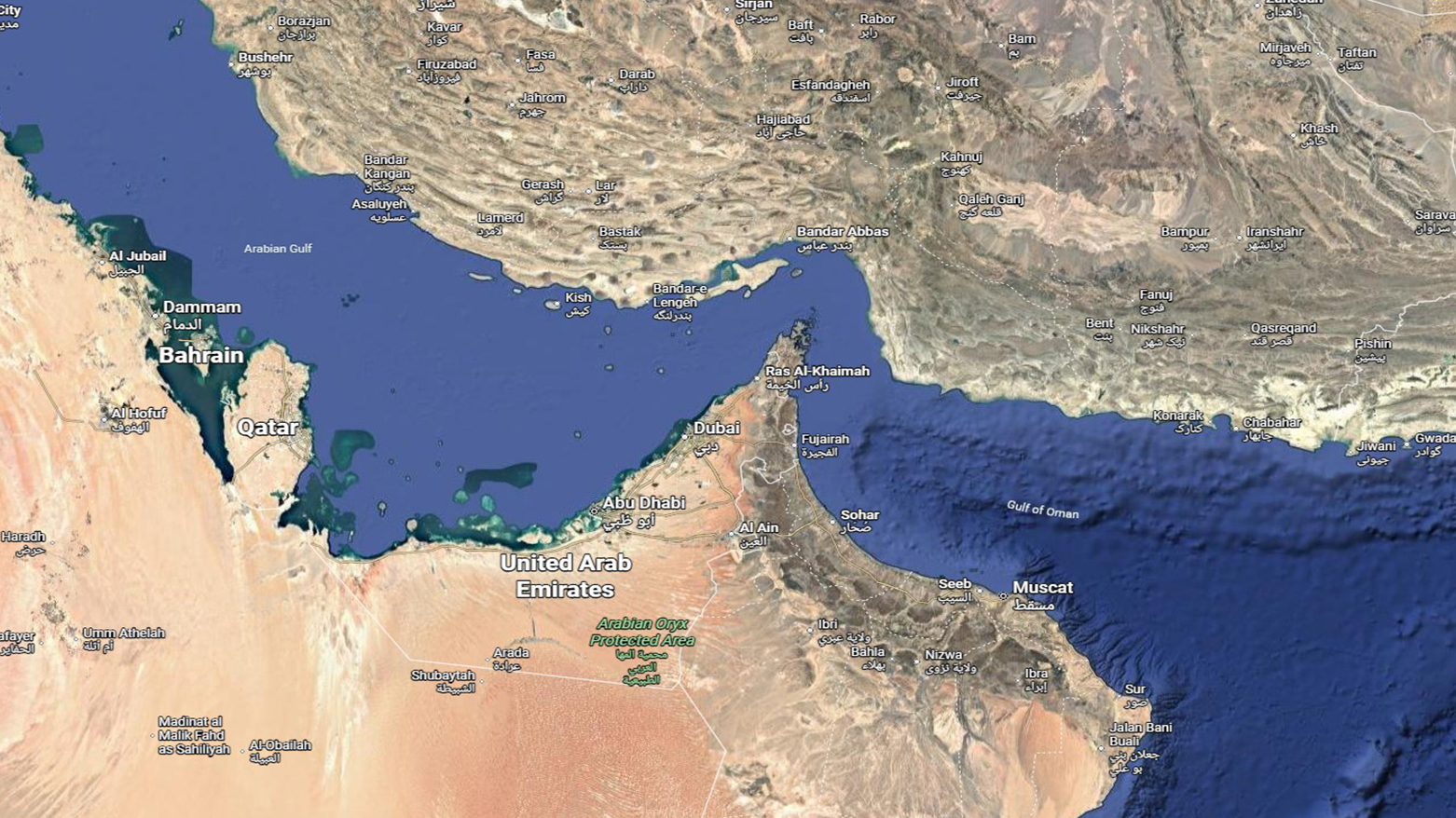
ERBIL (Kurdistan24) — Iran has moved a step closer to asserting greater control over the strategic Strait of Hormuz, with state media reporting Monday that a parliamentary commission has approved a plan to impose tolls on vessels transiting the vital waterway.
According to Iranian state television, citing a member of parliament’s security commission, the proposal includes “financial arrangements and rial toll systems” aimed at reinforcing what Tehran describes as its sovereign role in the Strait.
The plan also envisions coordination with Oman, which shares control of the narrow passage connecting the Persian Gulf to global shipping routes.
The proposal contains controversial provisions, including the prohibition of U.S. and Israeli vessels from passing through the Strait, as well as measures to counter sanctions imposed on Iran.
These steps are likely to heighten tensions in an already volatile region and raise legal and security concerns among international maritime stakeholders.
The Strait of Hormuz is one of the world’s most critical energy chokepoints, with roughly one-fifth of global crude oil and liquefied natural gas shipments passing through it under normal conditions. However, since the outbreak of war in the Middle East, maritime traffic has sharply declined.
According to maritime intelligence firm Kpler, crossings through the Strait have dropped by approximately 95 percent, sending shockwaves through global energy markets and increasing uncertainty over supply chains.
Analysts warn that Iran’s move to introduce tolls—combined with restrictions on certain vessels—could further disrupt already fragile energy flows and exacerbate volatility in international oil and gas prices.
The development underscores the growing strategic importance of alternative energy routes as countries seek to mitigate risks linked to escalating regional conflict.