Trump Says Iran Talks ‘On the Borderline’ Between Deal and Renewed Strikes
“It’s right on the borderline, believe me,” Trump said when asked about the status of negotiations. “If we don’t get the right answers, it goes very quickly. We’re all ready to go.”
ERBIL (Kurdistan24) – U.S. President Donald Trump said on Wednesday that negotiations with Tehran were “right on the borderline” between reaching an agreement and a possible resumption of U.S. military strikes on Iran, underscoring continued tensions despite ongoing diplomatic contacts.
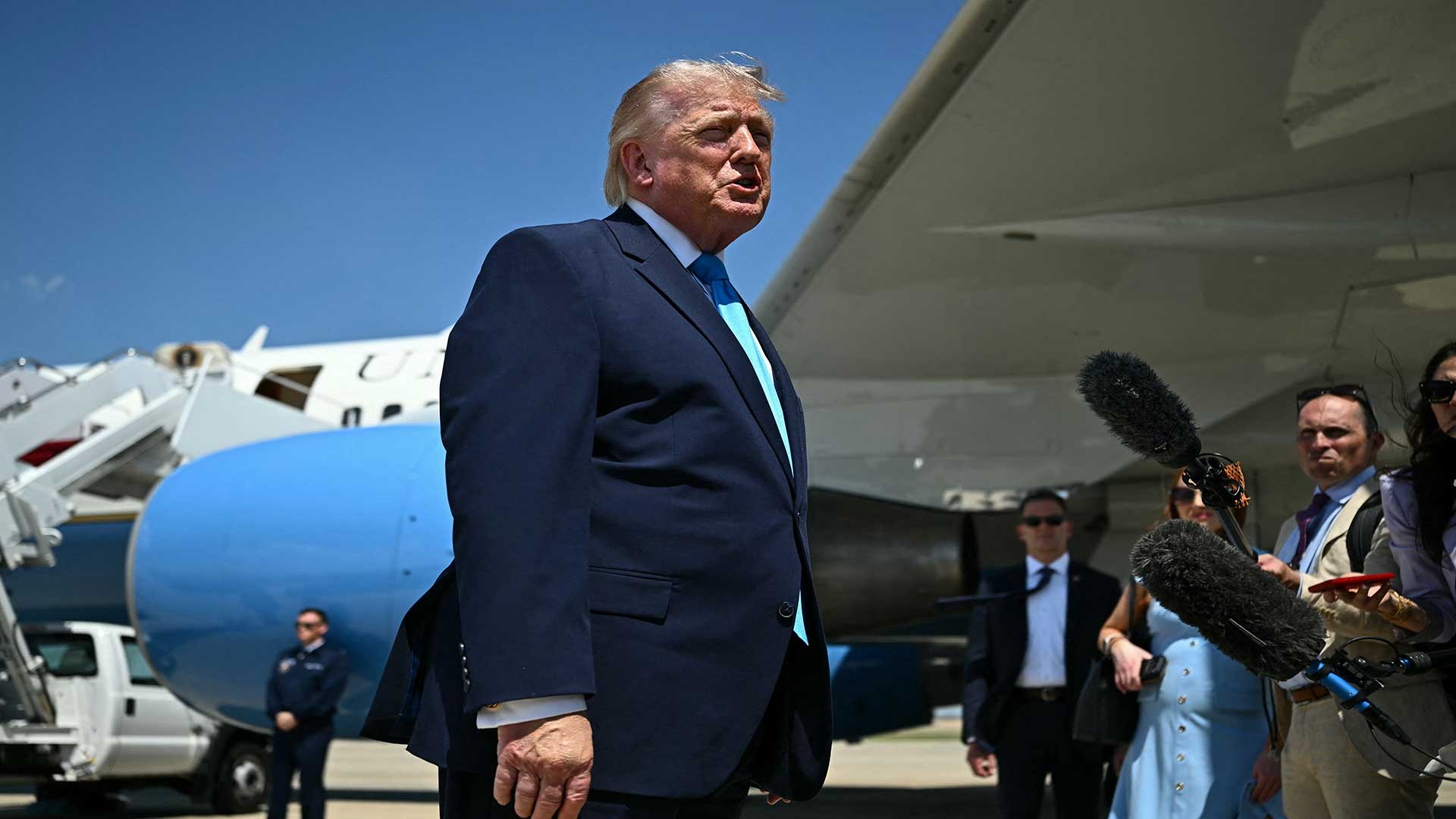
Speaking to reporters at Joint Base Andrews near Washington, Trump said the outcome of the talks depended entirely on Tehran’s response to recent U.S. proposals.
“It’s right on the borderline, believe me,” Trump said when asked about the status of negotiations. “If we don’t get the right answers, it goes very quickly. We’re all ready to go.”
He added that Washington expected “complete 100 percent good answers” from Iran and said a deal could be reached “very quickly, or (in) a few days,” arguing that an agreement would save “a lot of time, energy and lives.”
Trump’s remarks came days after he revealed he had postponed planned strikes on Iran to allow more time for diplomacy. According to the U.S. president, he had been within an hour of authorizing renewed military action before Gulf states requested additional time for negotiations.
Meanwhile, Iranian Foreign Ministry spokesperson Esmaeil Baqaei confirmed on Wednesday that Tehran had received a new U.S. proposal aimed at easing tensions and reviving talks.
“We received the points of view of the American side and we are currently examining them,” Baqaei told Iranian state television.
He also said Pakistan was helping facilitate communication between Tehran and Washington, noting that the visit of Pakistan’s interior minister to Iran was intended to support the exchange of messages between the two sides.
Baqaei reiterated Iran’s core demands in the negotiations, including the release of Iranian assets frozen abroad and an end to what he described as U.S. restrictions affecting Iranian ports and trade activities. He stressed that Tehran expected tangible economic relief as part of any future agreement.