Regime Change or Reset? Iran’s Hard-Liners Emerge Stronger
Targeted killings of senior Iranian leaders reshape Tehran’s hierarchy but reinforce hard-line rule, as officials and analysts say the system remains resilient and resistant to U.S. pressure in ongoing war negotiations.
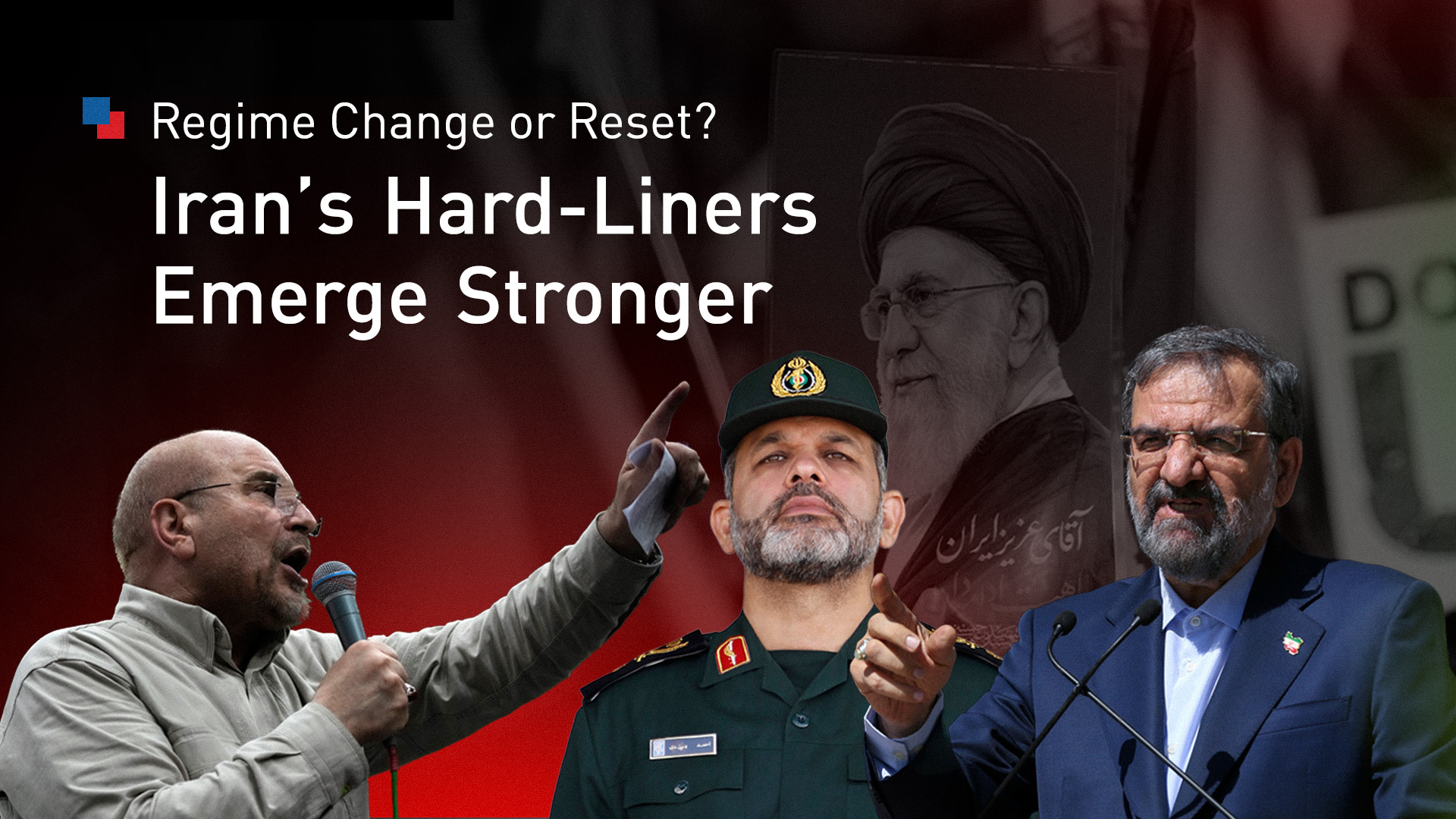
ERBIL (Kurdistan24) - The assassinations of several senior Iranian leaders by Israeli and U.S. forces have reshaped Tehran’s political and military hierarchy but left the country’s hard-line government largely intact, officials and analysts said, signaling continued friction with Washington over ongoing war negotiations.
According to reporting in The Washington Post, the targeted strikes—including the killing of Supreme National Security Council Secretary Ali Larijani—have removed key figures from Iran’s leadership without producing a more conciliatory approach in diplomatic discussions.
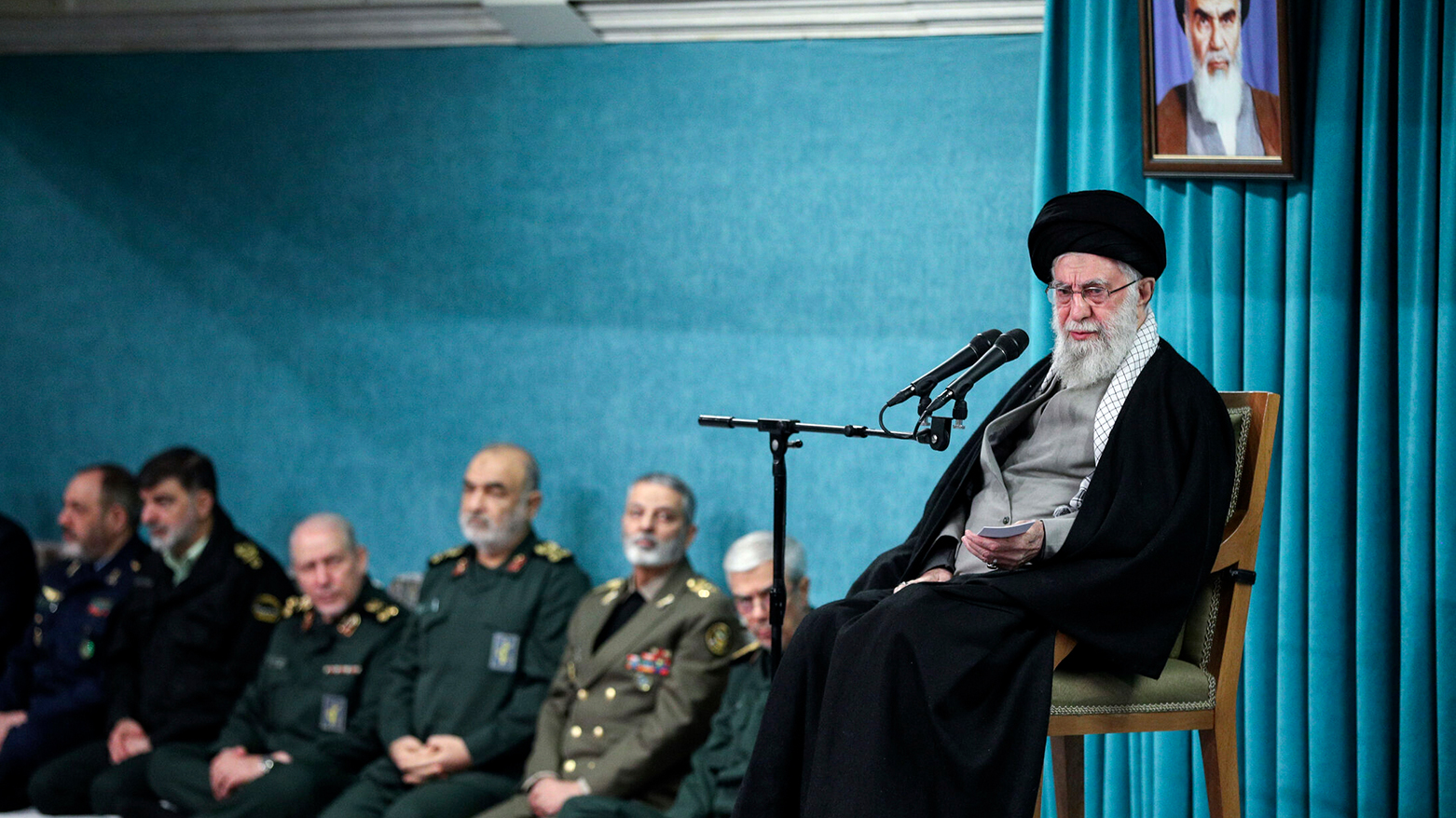
Regional and Western officials, speaking on condition of anonymity, said the leadership changes have instead emboldened remaining officials to pursue more assertive measures, particularly economic pressure, in their dealings with the United States.
The Washington Post reported that U.S. President Donald Trump addressed the situation Wednesday, outlining ongoing military operations and suggesting that the campaign could conclude within weeks.
“If during this period of time no deal is made, we have our eyes on key targets,” Trump said, as quoted by The Washington Post. “If there is no deal, we are going to hit each and every one of their electric-generating plants very hard and probably simultaneously.”
He also warned that U.S. forces could strike Iranian oil infrastructure.
Despite those statements, officials in the region said prospects for a negotiated settlement remain limited in the near term.
Israel continues targeted operations against senior Iranian figures, while public comments by Iran’s leadership indicate little willingness to compromise. As noted by The Washington Post, Tehran has put forward demands that include reparations and formalized control over the Strait of Hormuz, along with the authority to collect tolls on maritime traffic.
A European official briefed on diplomatic efforts said Iran’s recent actions have underscored vulnerabilities for Gulf states and highlighted risks to the global economy.
“So the price has gone up. The Strait of Hormuz never featured in any of these negotiations, and now it’s like front and center,” the official said in remarks carried by The Washington Post.
A second European official, along with a former U.S. administration official, confirmed that assessment, the newspaper reported, while cautioning that the internal effects of the leadership strikes remain difficult to measure from outside the country.
Officials have also observed behavioral changes among Iran’s senior leadership, including fewer public appearances following the March strike that killed Larijani shortly after he attended a national holiday rally in Tehran. However, Iran has continued to demonstrate its capacity to launch retaliatory operations against high-value targets.

According to The Washington Post, recent attacks have struck energy infrastructure in the Persian Gulf, industrial and energy sites in Israel, and U.S. military facilities, including a direct strike on an advanced reconnaissance aircraft.
Former administration officials cited in The Washington Post said the Trump administration views the assassination campaign as a potential means of pressuring Tehran into negotiations.
One former official said continued targeting of leadership figures could compel Iran to produce a negotiator willing to engage with Washington.
“If the Iranian side is not flexible, then they can keep killing them until you find someone who is willing to cut a deal,” the official said, according to the newspaper.
He added that while such an outcome remains unlikely, the campaign could deepen mistrust within Iran’s leadership and weaken internal cohesion.
Iranian diplomats have rejected that assessment.
One diplomat told The Washington Post that the approach reflects a misunderstanding of Iran’s political culture, arguing that further assassinations would not alter the country’s strategic posture. The diplomat said Iran’s leadership structure is shaped by a longstanding reverence for martyrdom and resistance to external pressure.
Analysts cited by The Washington Post similarly emphasized the institutional depth of Iran’s governing system.
Suzanne Maloney, a former senior U.S. State Department official on Iran and now vice president at the Brookings Institution, described the country as a “militarized regime” that has been reinforced rather than destabilized by the removal of senior figures. “
Many of those promoted to replace slain colleagues are people who have been steeped in the culture of martyrdom, sacrifice and hostility to the international system,” Maloney said in comments reported by the newspaper. “This is a system with a very, very deep bench. It’s not a personalist system with a small, elite crew of close advisers.”
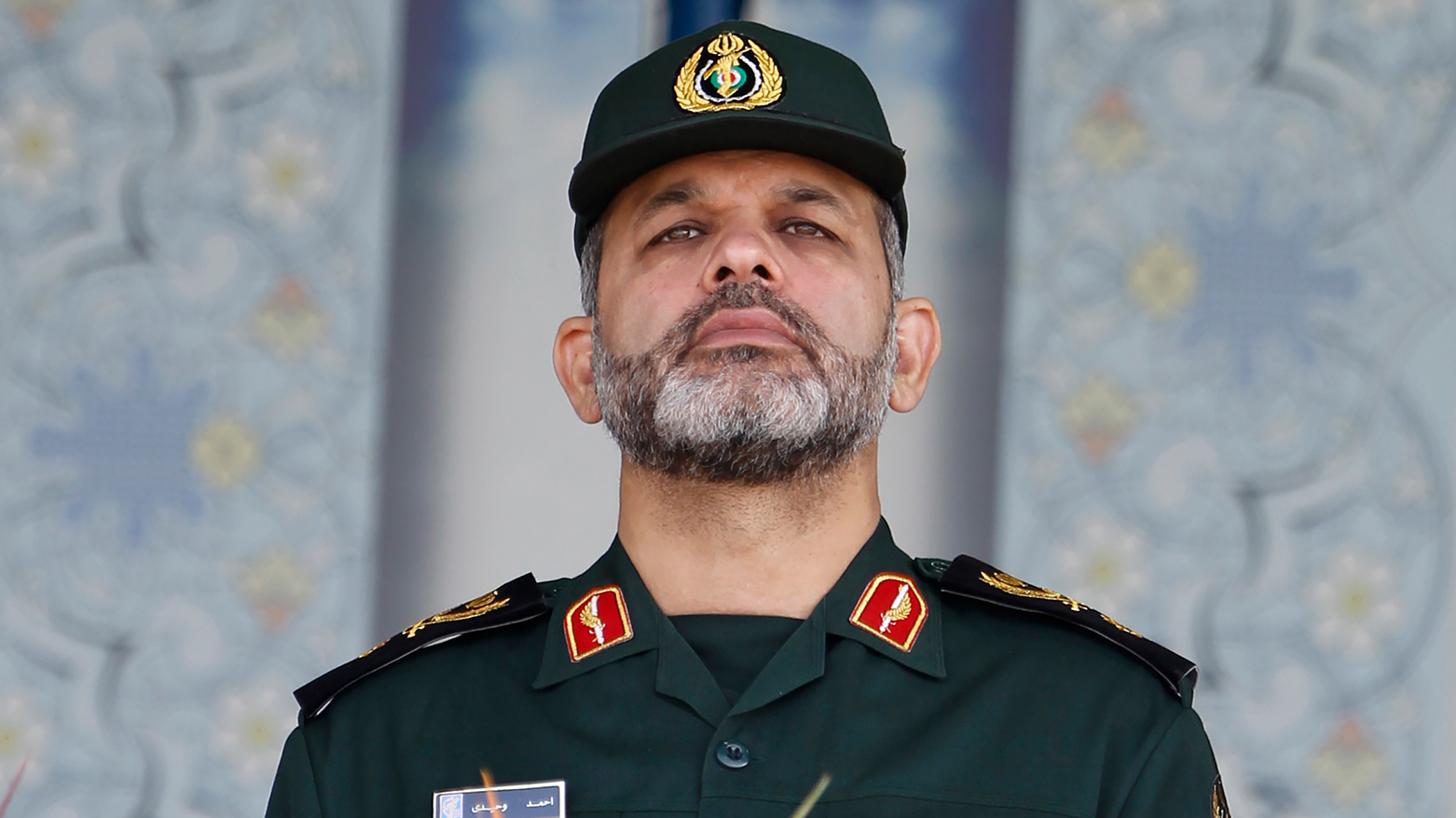
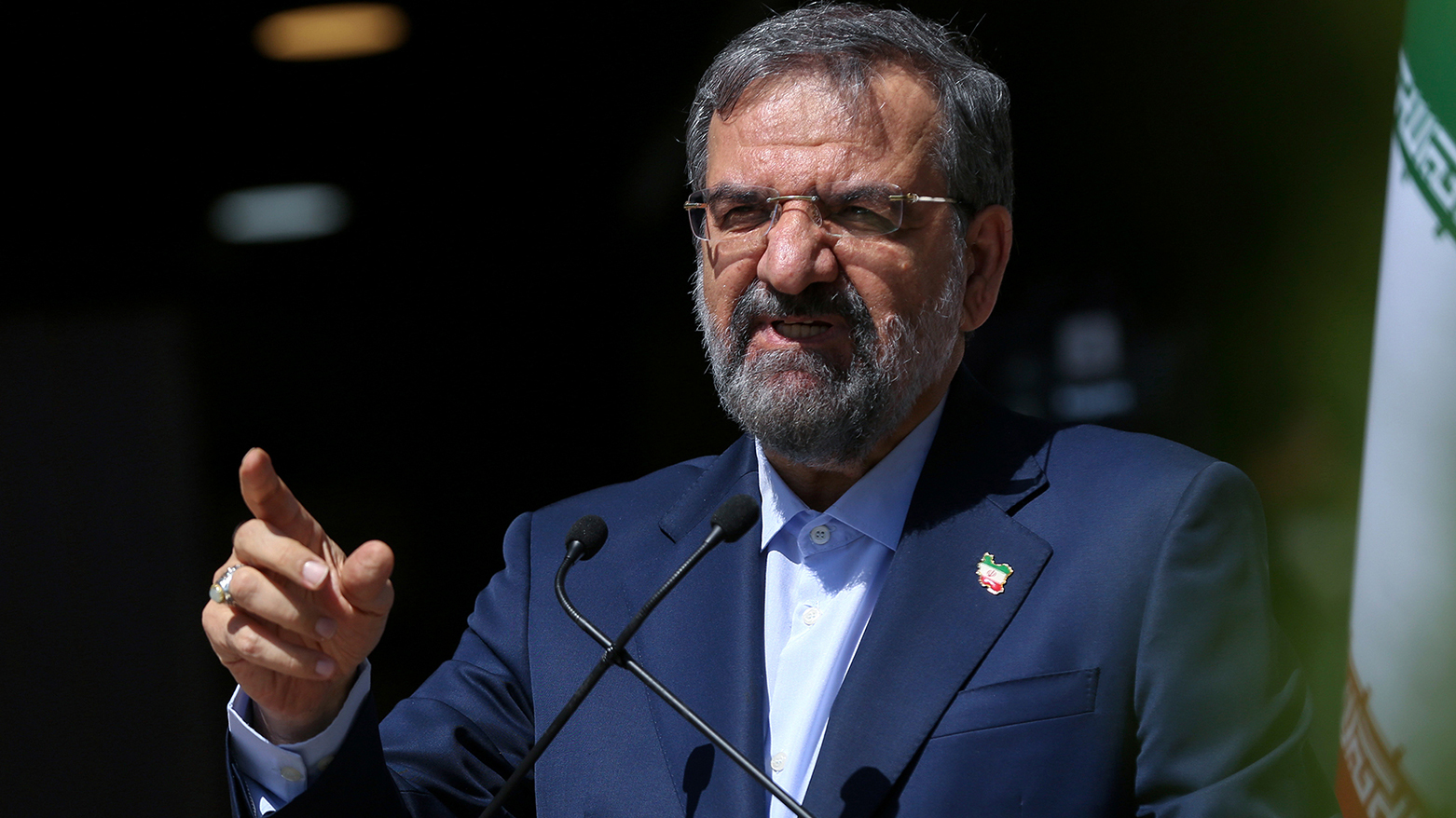
Other analysts pointed to the background of newly prominent figures within Iran’s leadership. Parliament Speaker Mohammad Baqer Qalibaf, Islamic Revolutionary Guard Corps Commander-in-Chief Ahmad Vahidi, and military adviser Mohsen Rezaei all have decades of experience within Iran’s military and political institutions.
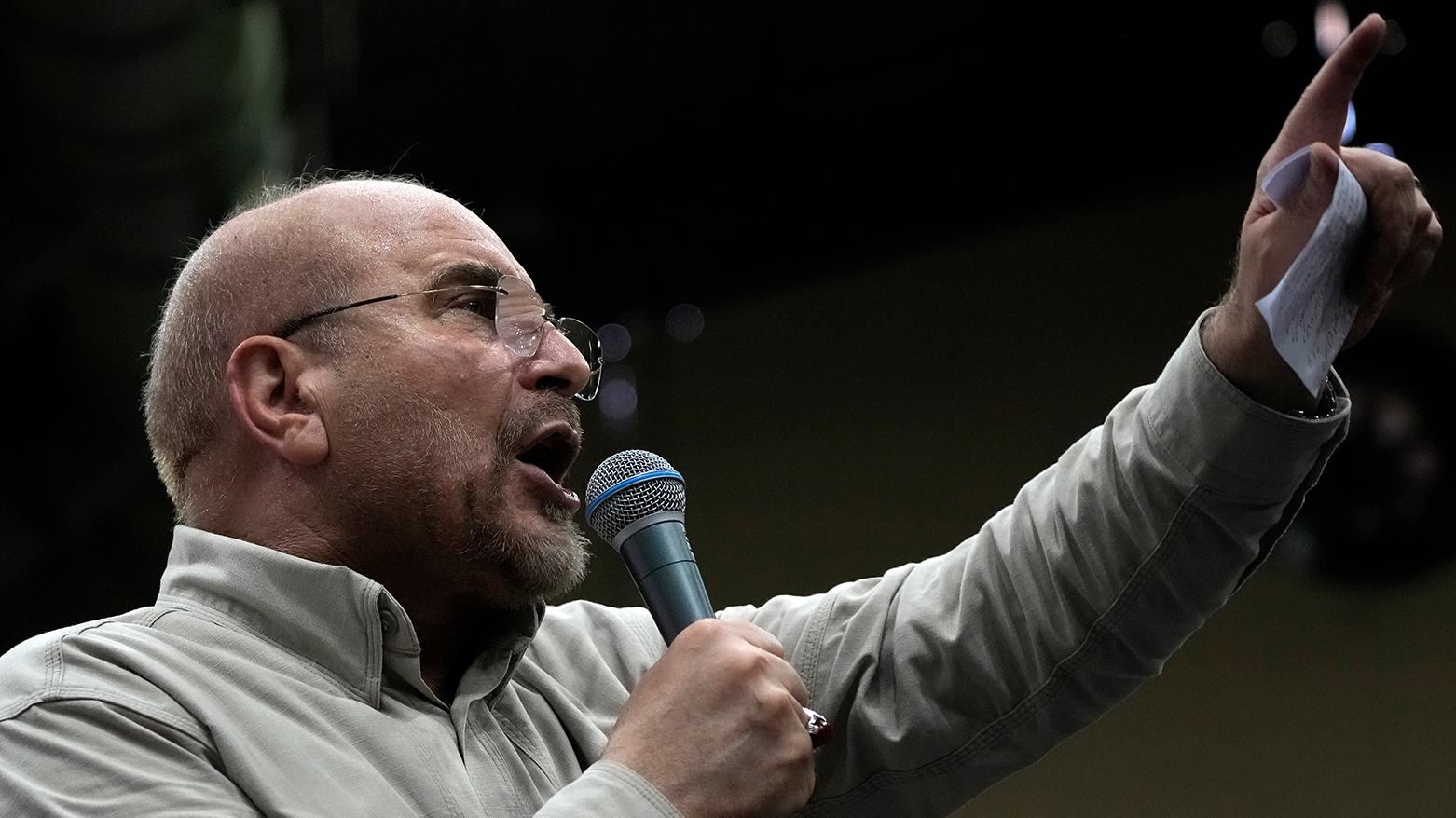
Alex Vatanka, a senior fellow at the Middle East Institute, told The Washington Post that these figures emerged from Iran’s “war generation,” having begun their careers during the Iran-Iraq War.
“They are going to sort of double down and believe their own slogans,” Vatanka said, as cited by The Washington Post. “They have all been part of the system for decades and they might have their differences, but at this point survival is a collective interest.”
Officials and analysts interviewed by The Washington Post said Iran has retained operational command and control despite the loss of senior leaders. While early stages of the conflict saw units operating with a degree of autonomy under Tehran’s “mosaic” defense strategy, recent retaliatory strikes suggest continued coordination across military and security structures.
Public displays of support for the government have also continued. During a rally in Tehran in March, pro-government supporters chanted slogans and waved national flags, reflecting ongoing mobilization amid leadership changes. Observers told The Washington Post that Iran’s governing institutions remain functional, with leadership transitions occurring within established hierarchies rather than causing systemic disruption.
The United States continues to explore the possibility of a negotiated resolution while maintaining military pressure, according to officials cited in The Washington Post. Former U.S. officials said the strategy combines targeted strikes with efforts to create uncertainty within Iran’s leadership, although they acknowledged that the outcome remains unclear.
Overall, reporting from The Washington Post indicates that despite the removal of key figures within Iran’s political and military leadership, the country’s hard-line government remains firmly in place. Tehran has continued retaliatory operations and maintained firm demands in negotiations, while analysts and officials point to the regime’s institutional resilience and depth of experienced leadership.