Tehran Alerts UN: Attacks On Iran's Nuclear Facilities Risk Radioactive Contamination Across the Entire Region
Iranian FM Araghchi warned the UN on April 4 that strikes near Iran's nuclear facilities risk radiation leaks and contamination of Gulf waters, air, and ecosystems across the region, calling the attacks a violation of UN Security Council resolutions and IAEA safeguards.
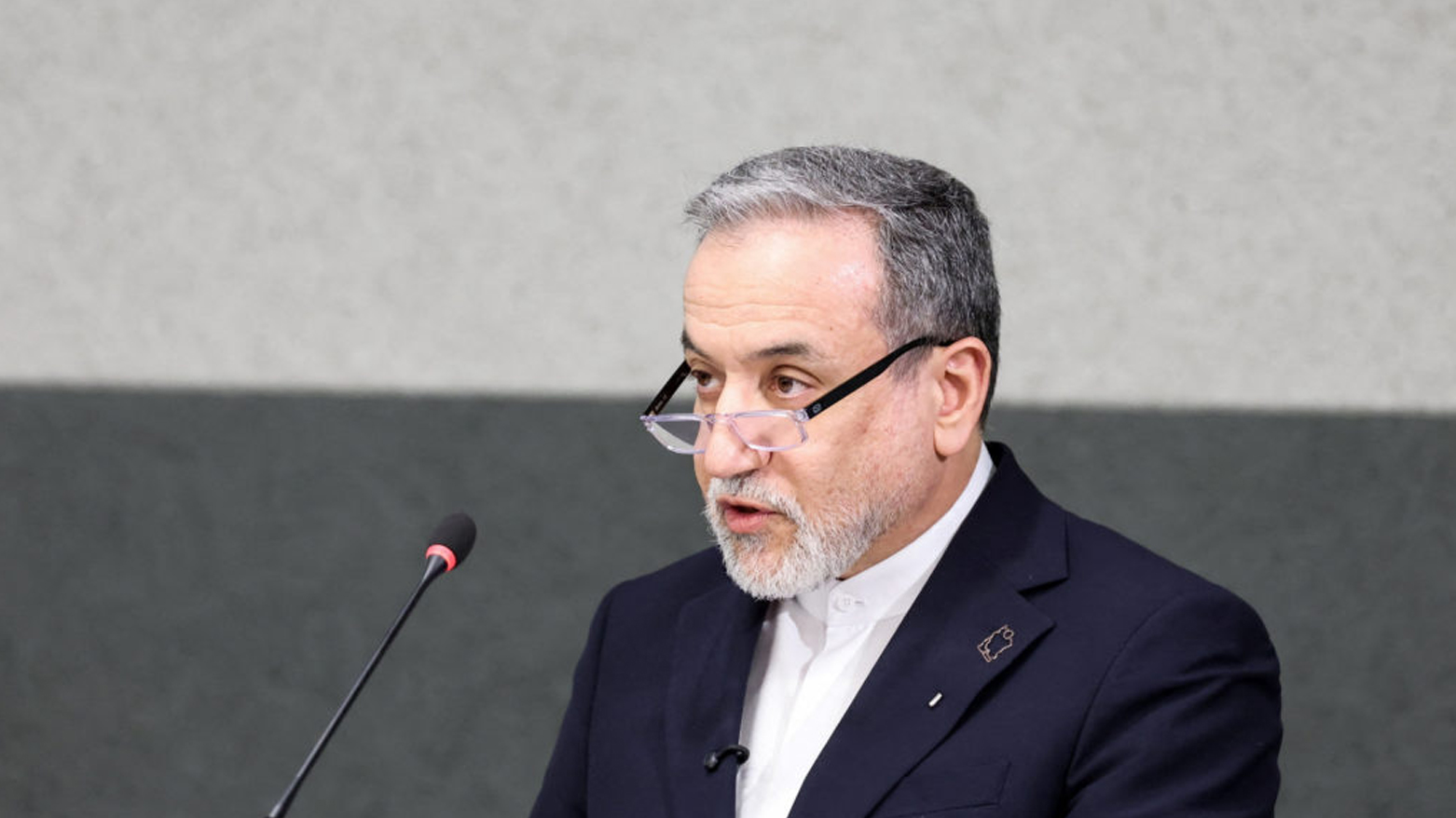
ERBIL (Kurdistan24) - Iran raised the alarm on Saturday, over what it described as an unprecedented and dangerous threat to civilian populations across the region. In a formal letter addressed to the United Nations, Iranian Foreign Minister Abbas Araghchi warned that strikes targeting areas in the vicinity of Iran's nuclear facilities carry a grave and unprecedented risk for Iranian civilians and the broader region, and constitute a clear violation of UN Security Council resolutions and the safeguards system of the International Atomic Energy Agency (IAEA).
Araghchi warned of the environmental consequences of such strikes, stating that the attacks risk causing radiation leaks and the contamination of Gulf waters, the air, ecosystems, and natural resources.
He concluded his letter with a warning that the radioactive hazard would not be confined within Iran's borders, but that its harmful effects would spread to other countries across the region as well.
The letter came as Israeli forces carried out one of their most expansive operations of the war the same day, striking more than 200 military targets across Iran and Lebanon.
Inside Iran, the strikes focused on Islamic Revolutionary Guard Corps installations, ballistic missile development and storage facilities, and air defense systems.
On the Lebanese front, more than 140 Hezbollah positions were struck, including training bases, weapons storage facilities, command headquarters affiliated with the Radwan Force in Beirut, and missile and drone launch sites.
Israeli ground operations in southern Lebanon also continued, with dozens of Hezbollah fighters reported killed and large quantities of weapons seized, along with the discovery of several tunnels and military bunkers.
The warning from Tehran also followed a telephone call earlier the same day between Araghchi and Pakistani Foreign Minister Ishaq Dar, during which both sides reaffirmed their commitment to diplomatic coordination and agreed to remain in close contact to monitor rapidly evolving regional developments.
Dar had stressed that all disputes must be resolved through diplomacy and dialogue, underscoring Islamabad's rejection of military escalation and its support for efforts aimed at de-escalating tensions.
Araghchi's letter to the United Nations represents Tehran's most direct warning yet about the potential for the conflict to trigger a nuclear environmental disaster — a development that would carry consequences far beyond the boundaries of any single state and would thrust the war into an entirely new and more dangerous dimension.