Buenos Aires Declares Iranian Envoy 'Persona Non Grata'
The Chargé d’Affaires of the Iranian Embassy in Argentina has been formally declared persona non grata and must depart the country within 48 hours.
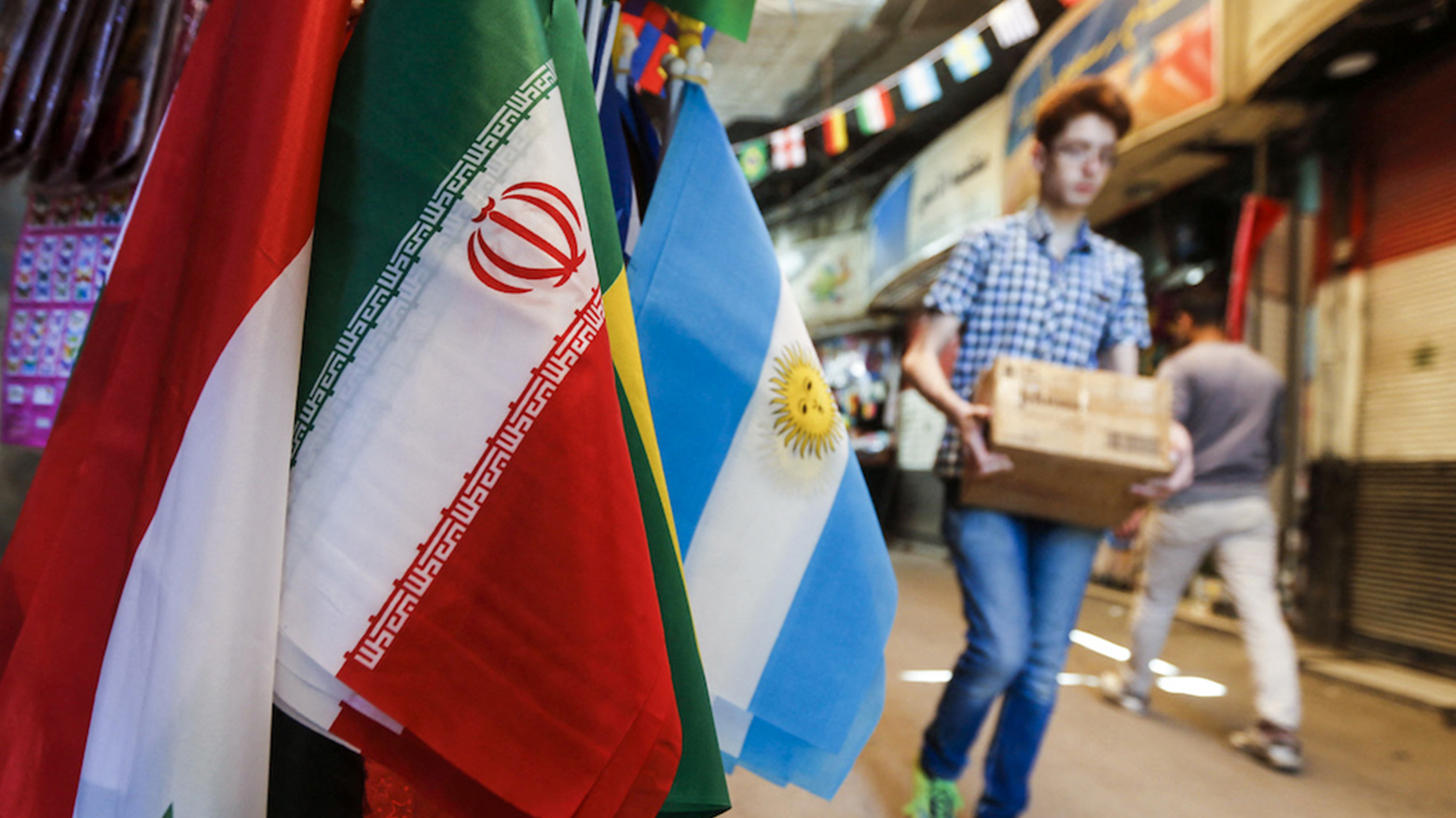
ERBIL (Kurdistan24) - The Foreign Ministry of the Argentine Republic has declared the Chargé d’Affaires of the Iranian Embassy, Mr. Mohsen Soltani Tehrani, persona non grata, requiring him to leave the country within 48 hours, officials said Thursday. The decision follows a communiqué issued by the Iranian Foreign Ministry containing what Argentine authorities described as false and offensive accusations against the Argentine Republic and its highest authorities, the ministry said in a release.
The ministry stated that the Iranian statement constitutes unacceptable interference in Argentina’s internal affairs and a deliberate distortion of decisions adopted under national and international law.
“The Argentine Republic will not tolerate insults or interference from a State that has systematically failed to fulfill its international obligations and persists in obstructing the course of justice,” the statement added.
The action also comes amid Argentina’s long-standing efforts to pursue accountability in the 1994 bombing of the Argentine-Israelite Mutual Association (AMIA) center in Buenos Aires, a terrorist attack that killed 85 people and injured more than 300, officials noted.
Argentine authorities cited Iran’s persistent refusal to cooperate with judicial investigations into the bombing, as well as repeated failures to comply with international arrest and extradition warrants for those responsible, as aggravating factors.
The ministry highlighted concerns regarding appointments to senior positions within Iran’s Islamic Revolutionary Guard Corps (IRGC) of individuals sought by the Argentine Judiciary in connection with the AMIA attack. Such appointments were described as “particularly grave,” according to the statement.
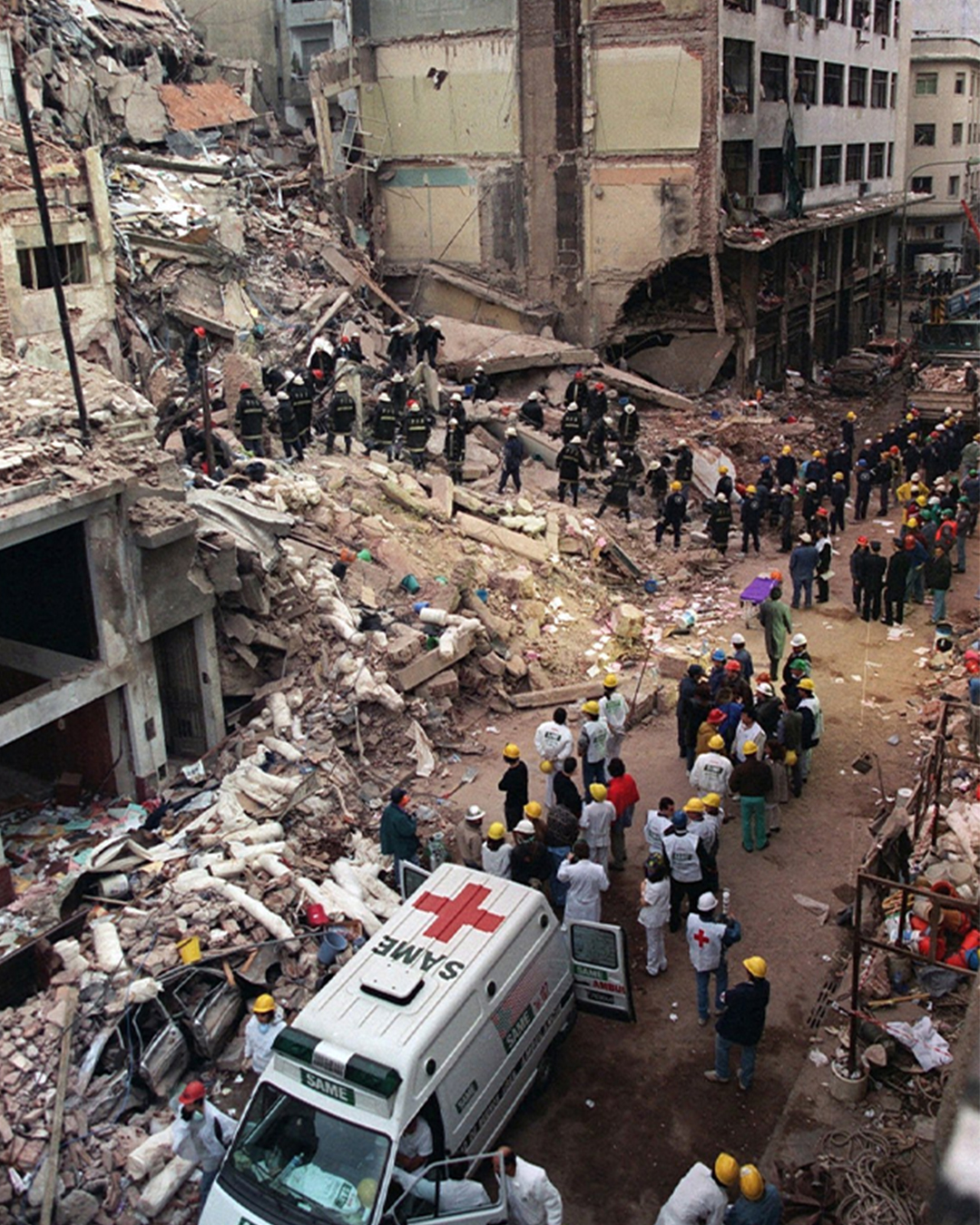
The AMIA bombing occurred on July 18, 1994, when a car bomb detonated at the Jewish community center in Buenos Aires, destroying the six-story building in a densely populated commercial area. Prosecutors have long attributed the attack to former Iranian officials, acting through the Lebanese militant group Hezbollah, with possible local assistance.
In April 2024, Argentina’s Court of Cassation concluded that Iran planned and ordered the attack as retaliation for Argentina’s cancellation of nuclear cooperation contracts in the mid-1980s. The court classified the bombing as a “crime against humanity,” enabling victims’ families to pursue legal action against Iran.
Despite decades of investigations, no individual has been convicted for planning or executing the bombing, officials said. Early probes were affected by irregularities, including a 2001–2004 trial in which 1,500 witnesses testified, but proceedings collapsed after a court determined the presiding judge had lost impartiality.
Former Federal Judge Juan José Galeano, who oversaw initial investigations, was later convicted of embezzlement and malfeasance. Former President Carlos Menem faced some accusations of interfering with the investigation but was absolved on select charges.
Special prosecutor Alberto Nisman assumed responsibility for the case in 2005. In 2015, Nisman was found dead days before he was to present evidence alleging a cover-up involving then-President Cristina Fernández de Kirchner and Iran. Initial rulings of suicide were later challenged, and the investigation into Nisman’s death remains unresolved.
Argentina issued international arrest warrants for nine Iranian officials and Hezbollah leaders, while Interpol issued red notices for five individuals. Iran has consistently denied involvement and refused extradition requests. Officials said that Iran’s actions constitute ongoing obstruction of justice and violation of international obligations.
Thirty-two years after the attack, the search for accountability remains unresolved. On the 30th anniversary in 2024, a memorial siren sounded at 9:53 a.m. at the AMIA site. Families and community members gathered beneath a wall inscribed with the victims’ names and the words “Memory and Justice.”
AMIA president Amos Linetzky criticized the lack of progress, stating: “It’s unbelievable that 30 years have passed since that cold morning of 18 July 1994, 30 years without a single person answering for this attack.”
Survivor Diana Malamud, who lost her husband Andrés, described the commemorations as a painful “Groundhog Day” of repeated unfulfilled promises.
President Javier Milei attended the 30th anniversary ceremonies, signed legislation declaring July 18 a national day of remembrance, and pledged renewed efforts, including trials in absentia. Argentina has designated Hezbollah as a terrorist organization and frozen its assets.
Victims’ groups, including Memoria Activa, continue pressing for accountability. The Inter-American Court of Human Rights recently ruled that the state had failed to prevent the attack and obstructed justice, officials said.
The Argentine Foreign Ministry reaffirmed its commitment to memory, justice, and the fight against terrorism, emphasizing full respect for international law. Authorities said the decision to declare Mr. Soltani Tehrani persona non grata reflects this commitment and underscores that interference by states failing to fulfill obligations will not be tolerated.