Lebanon Strikes Strain Fragile U.S.-Iran Ceasefire as Western Powers Urge Restraint
Rising casualties and retaliatory threats deepen uncertainty ahead of high-stakes talks in Pakistan
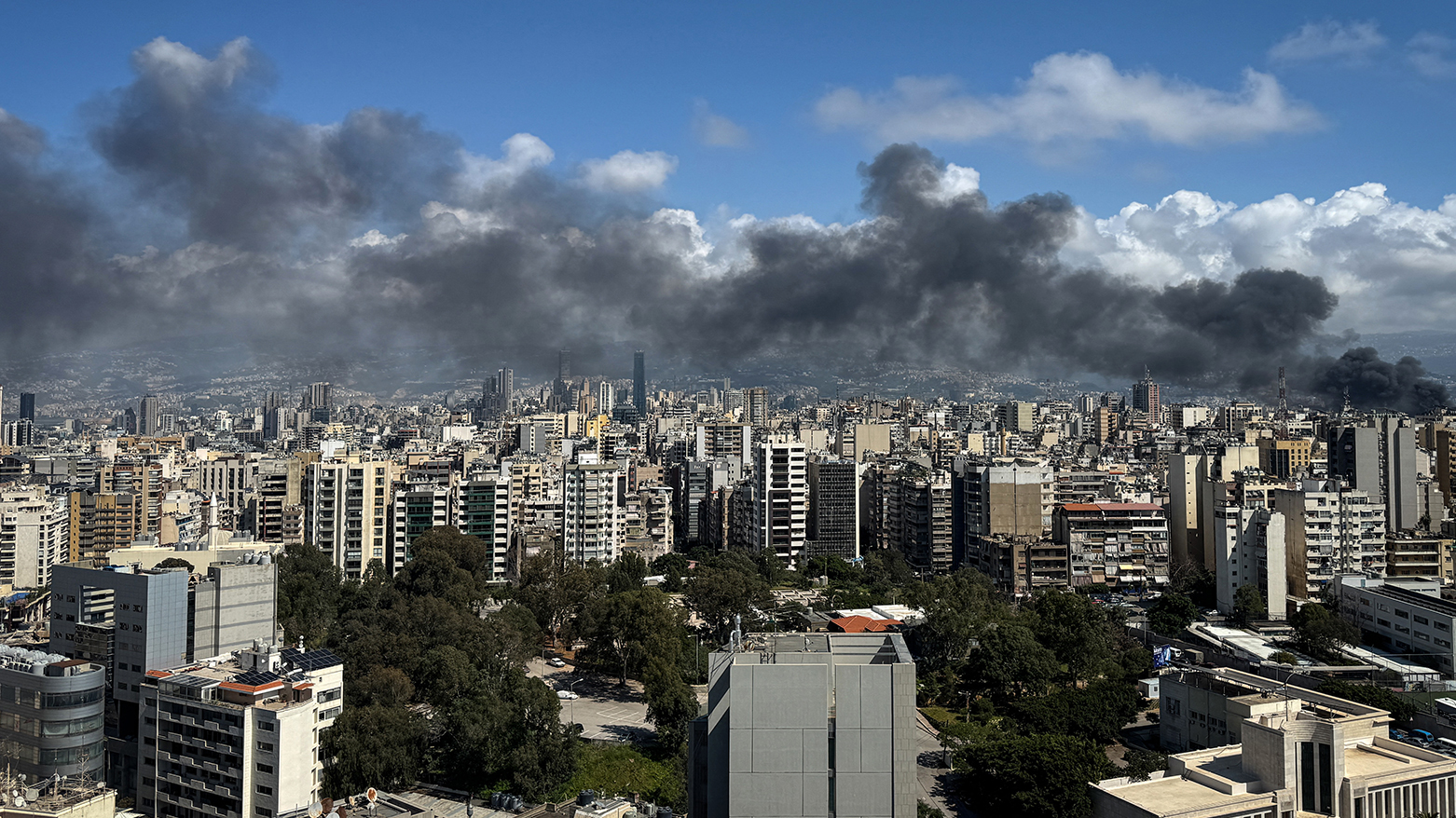
ERBIL (Kurdistan24) — Intensifying Israeli strikes on Lebanon have cast serious doubt on a fragile ceasefire between the United States and Iran, prompting strong condemnation from European officials and raising fears of renewed regional escalation.
The United Kingdom's Secretary of State for Foreign, Commonwealth and Development Affairs, Yvette Cooper, said Thursday that the United Kingdom “strongly” supports extending the ceasefire to Lebanon, voicing deep concern over the latest wave of Israeli attacks.
Speaking to Sky News, she highlighted the humanitarian toll, including mass displacement, and stressed the urgency of broadening the truce to prevent further civilian suffering.
France’s foreign minister Jean-Noel Barrot echoed those concerns, condemning the Israeli strikes as “unacceptable” and warning they risk undermining the already fragile agreement reached between Washington and Tehran.
His remarks came after Lebanese authorities reported that at least 182 people were killed and nearly 900 wounded in a single day of strikes.
Lebanon declared a national day of mourning on Thursday following the attacks, which officials said targeted hundreds of civilians. Flags were lowered, and public institutions closed as the country grappled with one of the deadliest escalations since the conflict expanded in early March, when the Iran-backed Hezbollah entered the war.
Despite the ceasefire announced by Washington and Tehran, confusion has persisted over whether Lebanon was included in the truce. Israel has maintained that it was not, a position backed by U.S.
Vice President JD Vance, who said Iran risked derailing negotiations by linking Lebanon to the agreement.
Tensions escalated further when Hezbollah said it had launched rockets toward Israel in response to what it described as violations of the ceasefire, while Iran’s parliament speaker Mohammad Bagher Ghalibaf warned that continued attacks had already undermined the basis for negotiations.
He accused Washington of breaching the truce through ongoing strikes in Lebanon, alleged drone incursions into Iranian airspace, and opposition to Tehran’s uranium enrichment.
On the ground in Beirut, residents described scenes of panic as strikes hit without warning. “People started running left and right, and smoke was billowing,” said one witness, underscoring the fear that swept the capital.
The United Nations human rights chief, Volker Turk, described the scale of the killings as “horrific.”
The escalation comes amid broader regional instability. Iran’s Islamic Revolutionary Guard Corps warned it would respond if Israeli strikes continue, while Israeli Prime Minister Benjamin Netanyahu said his country remains prepared to confront Iran directly if necessary.
Meanwhile, Donald Trump reiterated that U.S. forces would remain deployed until a “real agreement” is fully implemented.
Attention is now turning to high-stakes talks expected in Islamabad, where Iran and the United States are set to negotiate the next phase of the ceasefire.
Shehbaz Sharif, whose government helped mediate the truce, called on all parties to exercise restraint during the two-week pause to allow diplomacy to take hold.
A key sticking point remains the Strait of Hormuz, a critical artery for global energy supplies. Iran has proposed alternative shipping routes amid security concerns, though uncertainty persists over whether vessels can safely transit the strait, a scenario the White House has described as “completely unacceptable.”
Further complicating the situation, reports emerged of Iranian missile and drone strikes targeting U.S.-aligned Gulf states, including Kuwait, the United Arab Emirates, Saudi Arabia, and Bahrain, in retaliation for earlier attacks on Iranian oil facilities.
In Tehran, however, some signs of calm have emerged, with residents cautiously expressing relief after days of tension. Still, with competing narratives, ongoing violence, and unresolved disputes, the durability of the ceasefire remains highly uncertain as diplomatic efforts intensify.