Germany Requires Young Men to Report Extended Foreign Travel Under New Military Law
Little-Noticed Provision Sparks Debate as Berlin Expands Defense Readiness
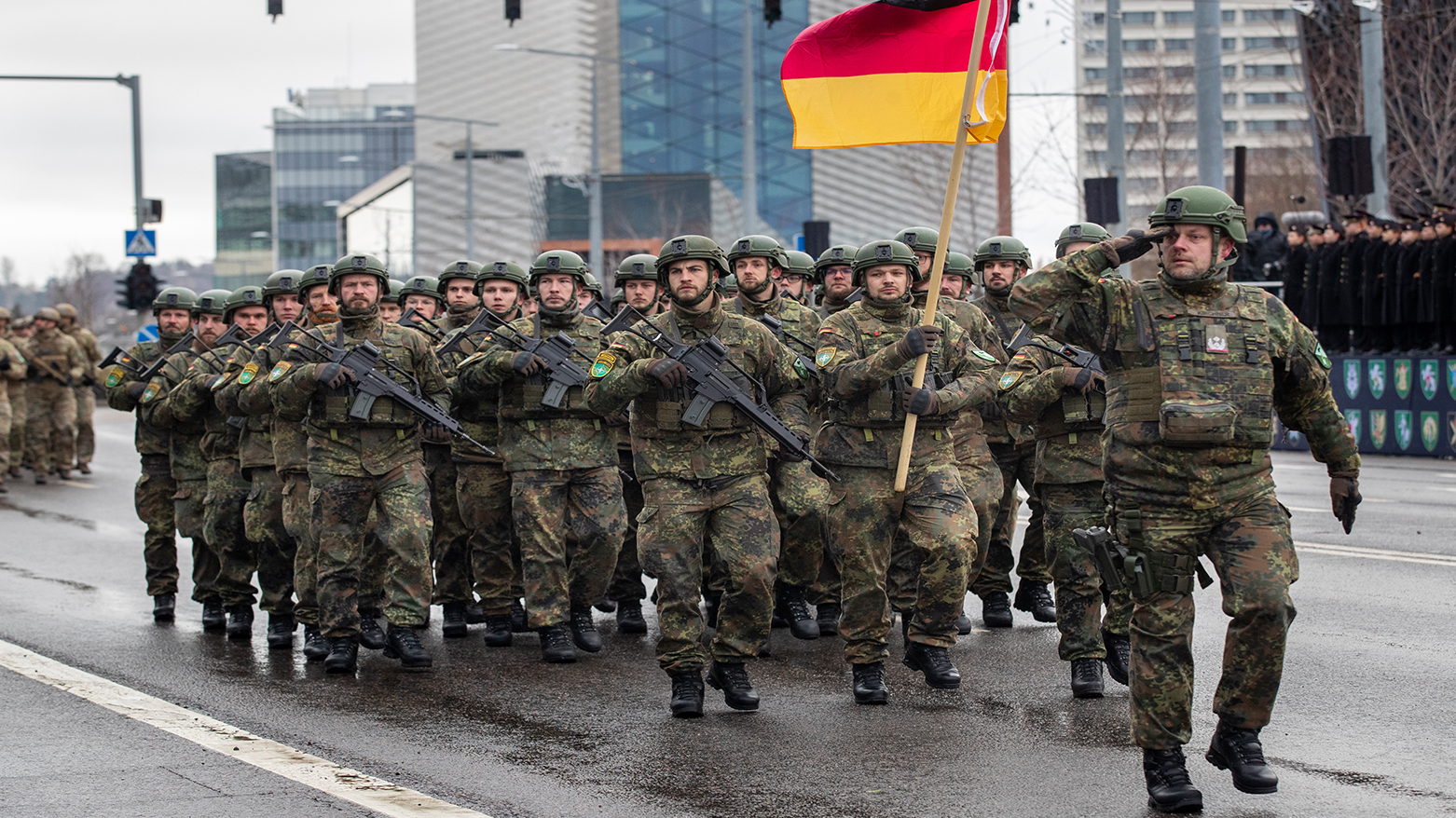
ERBIL (Kurdistan24) — Germany has introduced a new requirement obliging most young men to notify military authorities before undertaking extended trips abroad, a measure that has sparked public debate amid broader efforts to strengthen national defense capacity.
The German defense ministry confirmed that under the new military service law, men aged 17 and above must obtain prior approval from the armed forces for foreign stays exceeding three months.
Officials said such approval would generally be granted, provided no military service obligations are expected during the requested period.
Authorities described the provision as part of a system designed to maintain accurate and up-to-date military service records in the event of a national need.
The ministry added that it is working on exemptions and streamlined procedures to avoid unnecessary administrative burdens.
The regulation drew widespread attention following a report by the German newspaper Frankfurter Rundschau, with many questioning why the measure had not been more prominently discussed during earlier debates on military reform.
The law itself came into force in January and is primarily aimed at encouraging voluntary participation in military training.
While military service in Germany remains voluntary, the legislation introduces new mechanisms to monitor and assess potential recruits.
All 18-year-old men are now required to complete a questionnaire about their willingness to serve, and may be asked to undergo medical examinations as part of the process.
The move reflects a broader shift in Germany’s defense posture following Russia’s full-scale invasion of Ukraine in 2022, which prompted a fundamental reassessment of security priorities across Europe.
Berlin has since committed to significantly increasing troop numbers and strengthening both its standing forces and reserves under NATO planning frameworks.
Germany suspended mandatory conscription in 2011, transitioning to an all-volunteer force. However, the evolving security landscape has reignited debate over military preparedness and the role of civic obligation in national defense.
The new travel reporting requirement, though administrative in nature, underscores the government’s intent to maintain closer oversight of its potential manpower pool as geopolitical tensions persist.
The “Era of Rearmament” in Europe marks a profound shift in the continent’s post-Cold War security mindset. Nations long accustomed to relative peace are now investing heavily in military capacity, modernizing armed forces, and revising strategic doctrines to confront emerging threats.
Germany’s new measures, including monitoring young men’s extended foreign travel, are emblematic of this broader trend: even countries that suspended conscription are reconsidering how to maintain a ready and capable defense force.
Across Europe, the combination of rising tensions, regional conflicts, and the resurgence of great-power competition is driving a new era in which military preparedness is no longer peripheral, but central to national and collective security planning.