Iran Rejects Ceasefire Proposal, Citing Risks of Enemy Regrouping, Spokesperson Says
Iran rejects any ceasefire, calling it a “temporary pause” that aids enemies, while framing U.S. and Israeli attacks as crimes. Tehran stresses sovereignty, regional security, and defensive unity amid ongoing conflict.
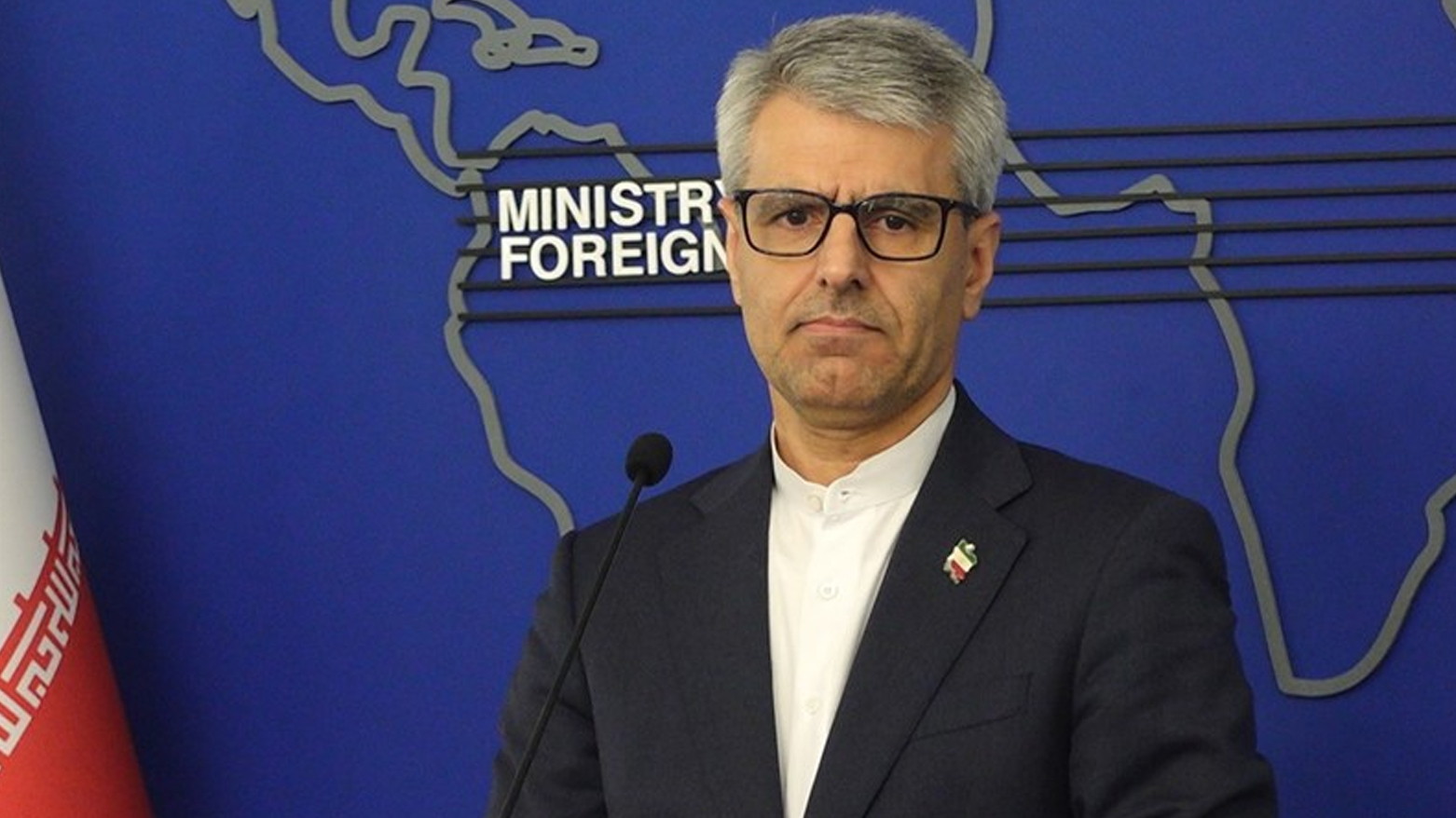
ERBIL (Kurdistan24) - Iran’s Ministry of Foreign Affairs rejected any proposal for a ceasefire in the ongoing conflict, describing such an arrangement as a temporary pause that could enable opposing forces to regroup and commit further crimes, according to the ministry spokesperson Esmaeil Baqaei.
Speaking at his regular weekly press conference on Monday, Baqaei characterized the conflict as a war “unjustly begun in the midst of a diplomatic process” and criticized the United States and Israel for targeting civilian and academic sites, including Sharif University, which he described as “a symbol of diligence and the love of science.”
Baqaei said that recent attacks, including those on five Iranian universities, demonstrated what he called the United States’ and Israel’s opposition to Iran’s progress and development.
“Developments have been very rapid this past week,” he noted, highlighting the intensity of military operations in recent days. He emphasized that Iran perceives no credibility in American diplomatic statements, citing “breaches of promise” and “disregard for international rules,” including withdrawal from approximately 70 international documents over the past year.
Baqaei specifically criticized U.S. actions during negotiations as inconsistent with diplomatic claims and described the deaths in January unrest as evidence of American involvement in violence, noting that “about 3,000 people lost their lives and 2,400 were martyred.”
In addressing ongoing negotiation efforts, Baqaei described a 15-point plan proposed by intermediaries as “excessive and illogical” and emphasized that Iran has formulated its own set of demands based on national interests and security.
He insisted that presenting these positions should not be interpreted as backing down. “Negotiation is incompatible with ultimatums and threats of war crimes,” he said, adding that continual threats to destroy infrastructure and target civilians constitute war crimes and that countries aiding such acts bear accountability.
Baqaei also commented on recent U.S. military operations near Isfahan, describing them as a “catastrophic failure” and comparing the attempt to steal nuclear material to the failed 1980 Operation Eagle Claw, which he referred to as “Tabas 2.”
He further condemned the International Atomic Energy Agency’s approach to Iran’s nuclear facilities, calling it “catastrophic” and accusing the agency’s director, Rafael Grossi, of justifying attacks on Iran. Baqaei suggested that Grossi’s conduct “must be reconsidered” in terms of his suitability for higher responsibilities.
Regarding allegations of arrests in the United States of individuals related to the family of Qassem Suleimani, Baqaei denied any connection, stating that the individual in custody “has no relation to Martyr Suleimani.”
He emphasized national unity in responding to the war, saying, “All pillars of sovereignty showed they are united with one voice to defend Iran's foundation.”
On the broader regional situation, he criticized what he described as personal or clique-based greed behind the war, asserting that the only beneficiary is Israel, which he said “desires no peace or calm for the region.”
Baqaei addressed reports of possible false-flag operations in Europe, stating that such actions are not conspiratorial but have been “carried out many times by America and the Zionist regime,” and affirmed that Iran has “very explicitly announced every target it has attacked” in defense of the country.
He highlighted ongoing dialogue with Oman over security measures in the Strait of Hormuz, emphasizing that Iran is adopting protocols to safeguard passage for non-hostile vessels while preventing the transit of “enemies' ships.”
Similarly, discussions with Azerbaijan and Türkiye reportedly resolved misunderstandings about alleged projectile activity, according to Baqaei.
The spokesperson reaffirmed Iran’s position on restraint and defensive measures, stating, “Restraint carries no meaning when it comes to defending the country against criminals,” and reiterated Iran’s commitment to use “all our capacities to make the criminals regret.”
He further cited India’s ongoing purchase of Iranian oil as an example of Tehran’s efforts to secure national interests and noted consultations with China regarding regional countries using Chinese fighter jets against Iran.
Baqaei highlighted Iran’s diplomatic efforts to protect its nationals abroad, including in the United Arab Emirates and Pakistan, asserting that the ministry “will take measures to fulfill the rights of Iranian nationals” and that safe passage for vessels from non-hostile countries is facilitated.
On regional security, he emphasized that “regional security will not be achieved except through the cooperation of regional countries,” while criticizing U.S. involvement as extraregional and destabilizing.
On Iran’s broader strategic outlook, Baqaei framed the eventual outcome of the war as a defense of international law and national sovereignty.
He said, “The day after the war with Iran's victory will be a bright day for the whole world,” asserting that Iranian military and diplomatic measures aim to establish “endogenous security for the region—an endogenous security based on cooperation.”
He maintained that Tehran’s positions are guided by decisions of the Supreme National Security Council and stressed the importance of unity in defending Iran’s national interests.
Baqaei reiterated Iran’s refusal to entertain deadlines or coercion, describing them as longstanding attempts to intimidate Iranians. He stressed that Iran’s foreign ministry acts according to official procedures and high-level guidance, including implementing policies related to imposed war scenarios.
He criticized Grossi’s recent claims against Iran, asserting that excessive commentary “fans the flames of war” and questioned the director general’s competence. “The international community must decide whether such an individual…is worthy of holding more important responsibilities,” he said.
In his concluding remarks, Baqaei called for international vigilance regarding the normalization of crime and reiterated that Iran’s defense measures are rooted in both national and international legal principles.
He expressed gratitude to all nations that have supported Iran and emphasized that diplomatic and military efforts complement each other in defending the country’s sovereignty.
Baqaei’s statements collectively underscore Iran’s rejection of ceasefire proposals, its insistence on self-defined national interests, and its framing of current military operations as a defensive and legally legitimate response to external threats.
The spokesperson’s remarks reflected a consistent theme of Iranian sovereignty and unity, highlighting the ministry’s focus on diplomatic channels, coordination with regional neighbors, and protection of national and civilian interests.
In all matters, Baqaei reiterated that Iran’s actions are aimed at preventing the continuation of hostilities and ensuring that external threats are addressed through a combination of military preparedness and diplomatic engagement.
Baqaei’s commentary also stressed accountability for external actors involved in the conflict, emphasizing the perceived illegitimacy of threats and attacks from the United States and Israel.
He outlined measures taken by Iran to safeguard key strategic areas, manage regional relationships, and ensure the continued passage of neutral commercial traffic while restricting hostile operations in the Strait of Hormuz.
Overall, the statements issued by the Iranian Foreign Ministry spokesperson, reaffirm Tehran’s rejection of any ceasefire framework proposed by external powers, its commitment to defending the country through coordinated military and diplomatic channels, and its insistence on maintaining national sovereignty and regional security under internationally recognized law.
The ministry’s remarks concluded with a reiteration of Iran’s unified stance and strategic priorities.
Baqaei stressed that all pillars of governance, military, and diplomacy remain aligned in their response to external aggression, with a focus on ensuring that any violations of international law by foreign powers are addressed in accordance with national interests and legal standards.