Iran Says US ‘Forced’ to Accept Tehran’s Ten-Point Proposal
Iran’s Supreme National Security Council says the US accepted its terms, outlining a ten-point plan and confirming talks in Islamabad while stressing the war will continue until all conditions are finalized.
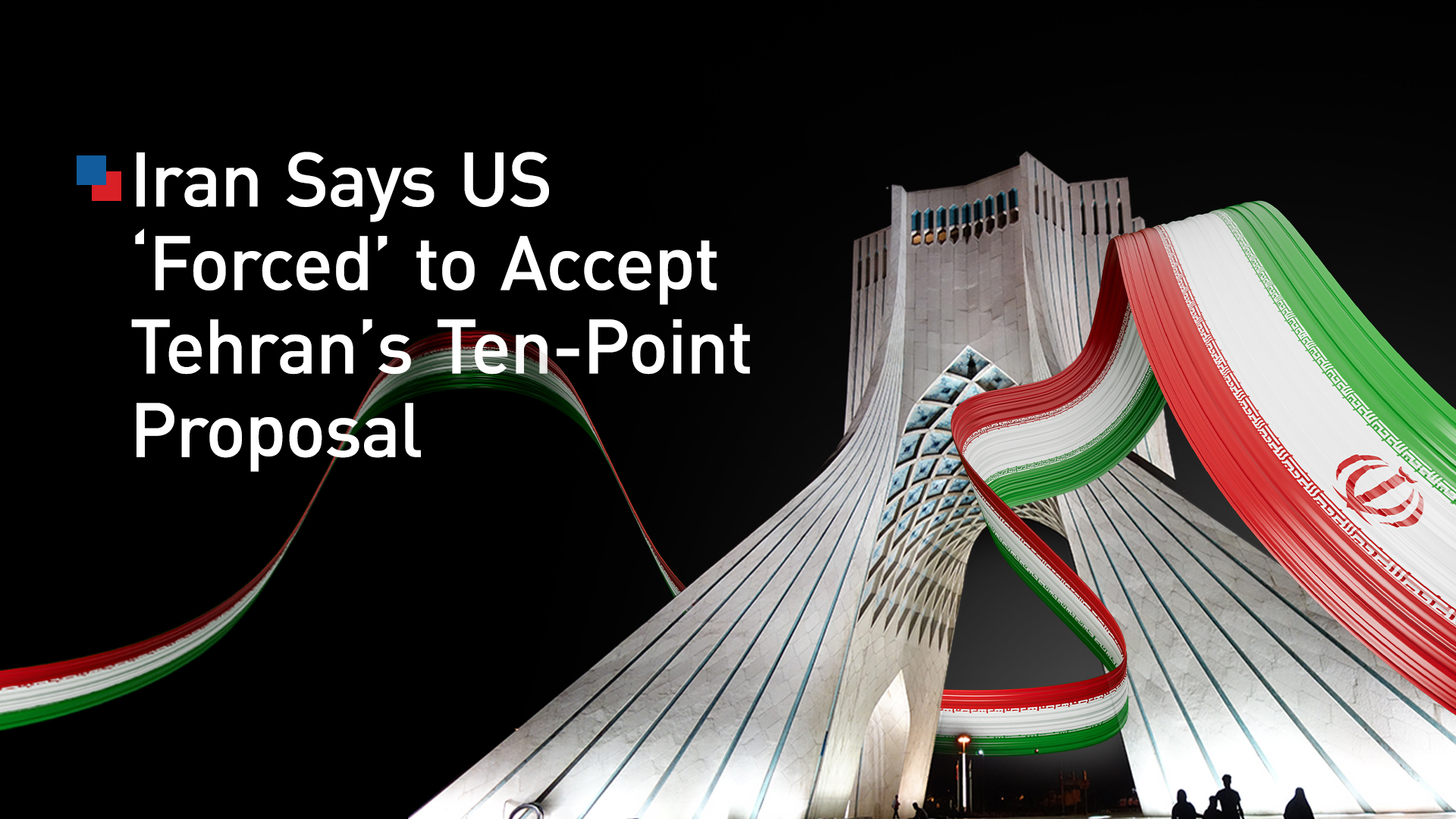
ERBIL (Kurdistan24) - On Wednesday, following the announcement of a two-week ceasefire by US President Donald Trump, Iran’s Supreme National Security Council issued a statement asserting that the United States had been “forced” to accept Tehran’s ten-point proposal.
In the statement, the council said the Iranian people “must know that thanks to the efforts of their sons and their historic presence, the enemy has been pleading for more than a month to stop Iran’s heavy fire and the resistance.” It added that Iranian officials rejected all such requests, stating that the war was intended to continue until its objectives were achieved, including forcing the enemy into regret and eliminating long-term threats.
The council emphasized that Iran had repeatedly rejected deadlines set by the US president and “does not attach any importance to any deadlines set by the enemy.”
It further declared: “We now give good news to the great nation of Iran that almost all war objectives have been achieved, and your brave sons have driven the enemy into historic helplessness and a lasting defeat.”
According to the statement, Iran’s leadership, backed by what it described as unified national support, has decided to continue the conflict as long as necessary to consolidate what it called major achievements and establish new political and security equations in the region based on recognition of Iran’s power.
The council said that, under the direction of Supreme Leader Ayatollah Seyed Mojtaba Khamenei and with the approval of the Supreme National Security Council, and given what it described as Iran’s advantage on the battlefield and the enemy’s inability to enforce its threats, negotiations would be held in Islamabad to finalize details within a maximum of 15 days.
It stated that Iran had rejected all proposals from the opposing side and instead presented a ten-point plan through Pakistan to the United States. The proposal includes coordinated control of the Strait of Hormuz under Iranian armed forces, an end to the war across all fronts including what it described as the “axis of resistance,” the withdrawal of US combat forces from all regional bases, and the establishment of a secure navigation protocol in the Strait of Hormuz ensuring Iranian control.
Additional points include full compensation for damages suffered by Iran, the lifting of all primary and secondary sanctions, the removal of United Nations resolutions, the release of all frozen Iranian assets abroad, and the adoption of these terms in a binding United Nations Security Council resolution to make them internationally enforceable.
The statement added that Pakistan’s prime minister informed Iran that the US side, despite public threats, had accepted these principles as a basis for negotiations. Accordingly, Iran agreed to engage in talks in Islamabad for two weeks strictly within this framework.
The council stressed that this does not signify the end of the war, stating that Iran would only accept a full conclusion once all details of the ten-point plan are finalized in negotiations.
It confirmed that talks will begin on Friday, Apr. 10, in Islamabad and will last two weeks, with the possibility of extension by mutual agreement.
The statement called for maintaining full national unity during this period and urged the continuation of what it described as victory celebrations, while warning against any divisive rhetoric.
It concluded with a warning: “If the enemy’s surrender on the battlefield is turned into a decisive political achievement in negotiations, we will celebrate this great historic victory together. Otherwise, we will continue to fight side by side until all the demands of the Iranian nation are achieved. Our hands remain on the trigger, and any mistake by the enemy will be met with full force.”
As negotiations approach, Iran’s leadership frames the ceasefire not as an endpoint, but as a strategic phase in a broader confrontation it insists is still unresolved.