Kuwait Urges Halt to Hostilities as Fresh Attacks Test U.S.-Iran Ceasefire
Regional powers warn of “provocations” while Pakistan prepares talks to turn fragile truce into lasting deal
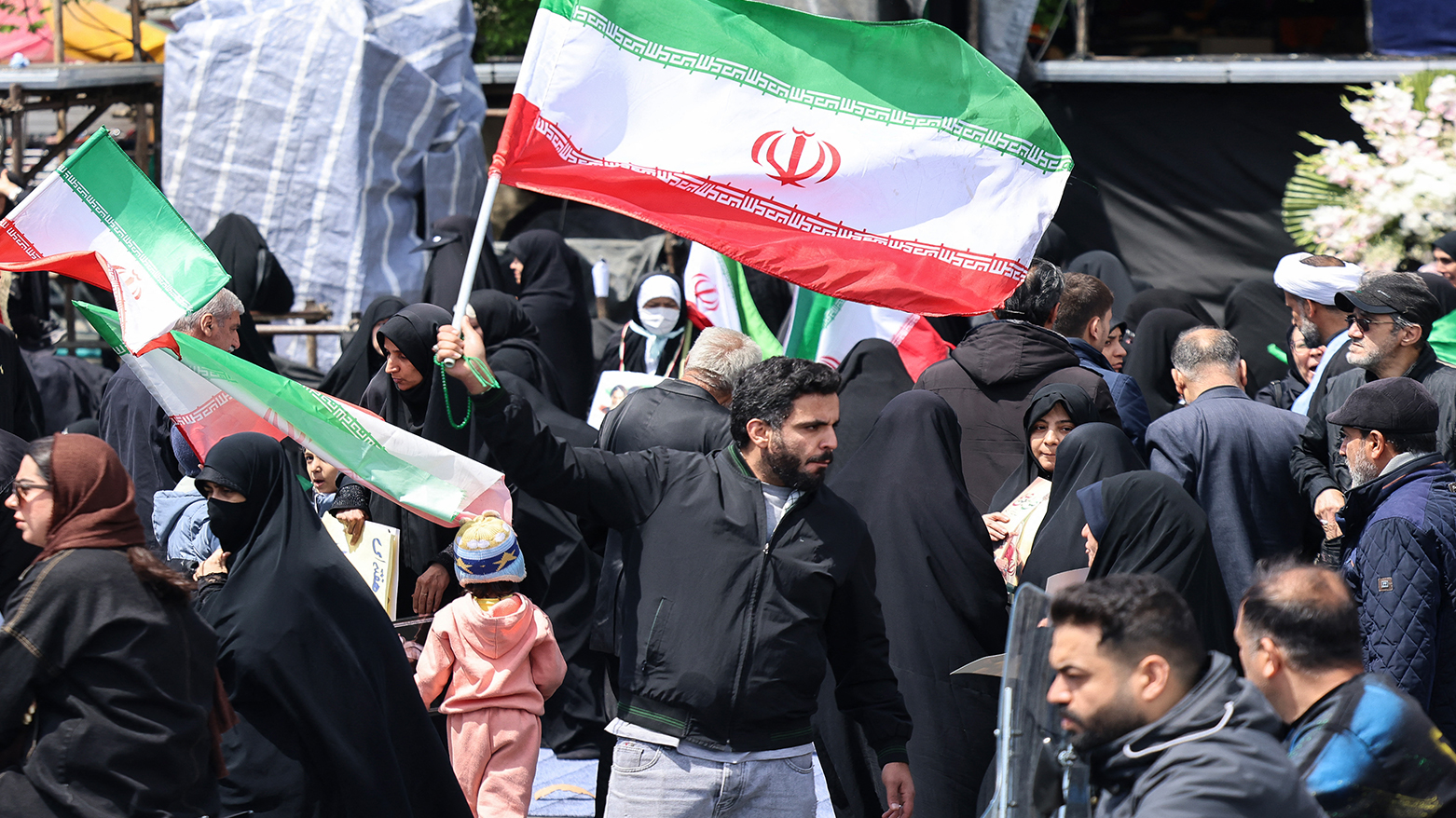
ERBIL (Kurdistan24) — Kuwait on Wednesday urged Iran and its allied groups to immediately halt hostilities after reporting a wave of missile and drone attacks just hours into a fragile ceasefire between Washington and Tehran, underscoring the volatility of the region despite the truce.
In a statement, the Kuwait Ministry of Foreign Affairs welcomed the ceasefire agreement but stressed “the need for the Islamic Republic of Iran and its proxies to immediately cease all hostilities,” following strikes targeting Kuwait and the United Arab Emirates.
Iranian state media, including Islamic Republic of Iran Broadcasting, reported that the attacks came in response to earlier airstrikes on oil facilities on Lavan Island. According to officials, the Lavan Oil Refinery was hit in what was described as a “cowardly attack” despite the ceasefire announced early Wednesday.
Authorities said firefighting teams were deployed to contain the blaze and secure the facility, adding that employees had been evacuated in time and no casualties were reported.
The refinery, which processes around 60,000 barrels of crude per day, is a key component of Iran’s export infrastructure, supplying some of its highest-quality oil.
Ceasefire under strain
The renewed exchanges highlight the fragility of the two-week ceasefire agreed between the United States and Iran just hours before a deadline set by U.S. President Donald Trump for potential large-scale military action.
The conflict, which erupted after U.S. and Israeli strikes on Iran—including an operation that killed Iran’s supreme leader—has since expanded across multiple fronts.
Iranian retaliatory attacks have targeted Gulf states and Israel, while regional proxies have intensified their operations, drawing in countries such as Lebanon, where Hezbollah has engaged in hostilities with Israeli forces.
Key Iranian energy hubs, including Kharg Island, have also been struck during the war, further disrupting global oil markets and raising concerns over supply stability.
Regional and international reactions
Turkish President Recep Tayyip Erdogan warned of the risks posed by “possible provocations and sabotage” that could derail the ceasefire. In a message on X, he expressed hope that the agreement would be fully implemented without disruption.
Turkey has played a diplomatic role in recent days alongside Egypt and Pakistan, while also providing humanitarian assistance. Turkish Health Minister Kemal Memisoglu said three trucks of medical aid had been dispatched to Iran to help “heal the wounds” of those affected by the conflict.
Meanwhile, Pakistan has emerged as a central mediator. Prime Minister Shehbaz Sharif announced that Islamabad will host delegations from both the United States and Iran on April 10 for talks aimed at reaching a comprehensive agreement.
Sharif thanked a wide range of international actors—including China, Saudi Arabia, Turkey, Egypt, and Qatar—for supporting diplomatic efforts, expressing hope that the so-called “Islamabad Talks” would lead to sustainable peace.
A narrow window for diplomacy
The ceasefire, which both Tehran and Washington confirmed shortly before the expiration of Trump’s ultimatum, is widely seen as a last-minute effort to avert further escalation, including threats of widespread infrastructure destruction inside Iran.
Despite the pause, continued strikes and retaliatory actions underscore the difficulty of enforcing the truce across a fragmented conflict landscape involving multiple state and non-state actors.
Analysts note that while the ceasefire has opened a critical window for diplomacy, its success will depend on the ability of regional and global powers to contain proxy activity and prevent further provocations.
For now, Kuwait’s warning reflects broader regional concerns: that without immediate restraint from all parties, the fragile ceasefire could quickly unravel, risking a return to full-scale confrontation across the Middle East.