Iran Enters Nuclear Talks in Islamabad Under 'Complete Mistrust'
Iran’s foreign minister said Tehran is entering nuclear negotiations with “complete mistrust” as talks begin in Islamabad. The discussions follow weeks of conflict and involve direct engagement with the United States.
ERBIL (Kurdistan24) - At the Serena Hotel in Islamabad, cleared of guests and secured behind a wide perimeter, Iranian and U.S. delegations convened on Saturday for direct negotiations over Tehran’s nuclear program, marking a shift in format after weeks of regional conflict and diplomatic strain.
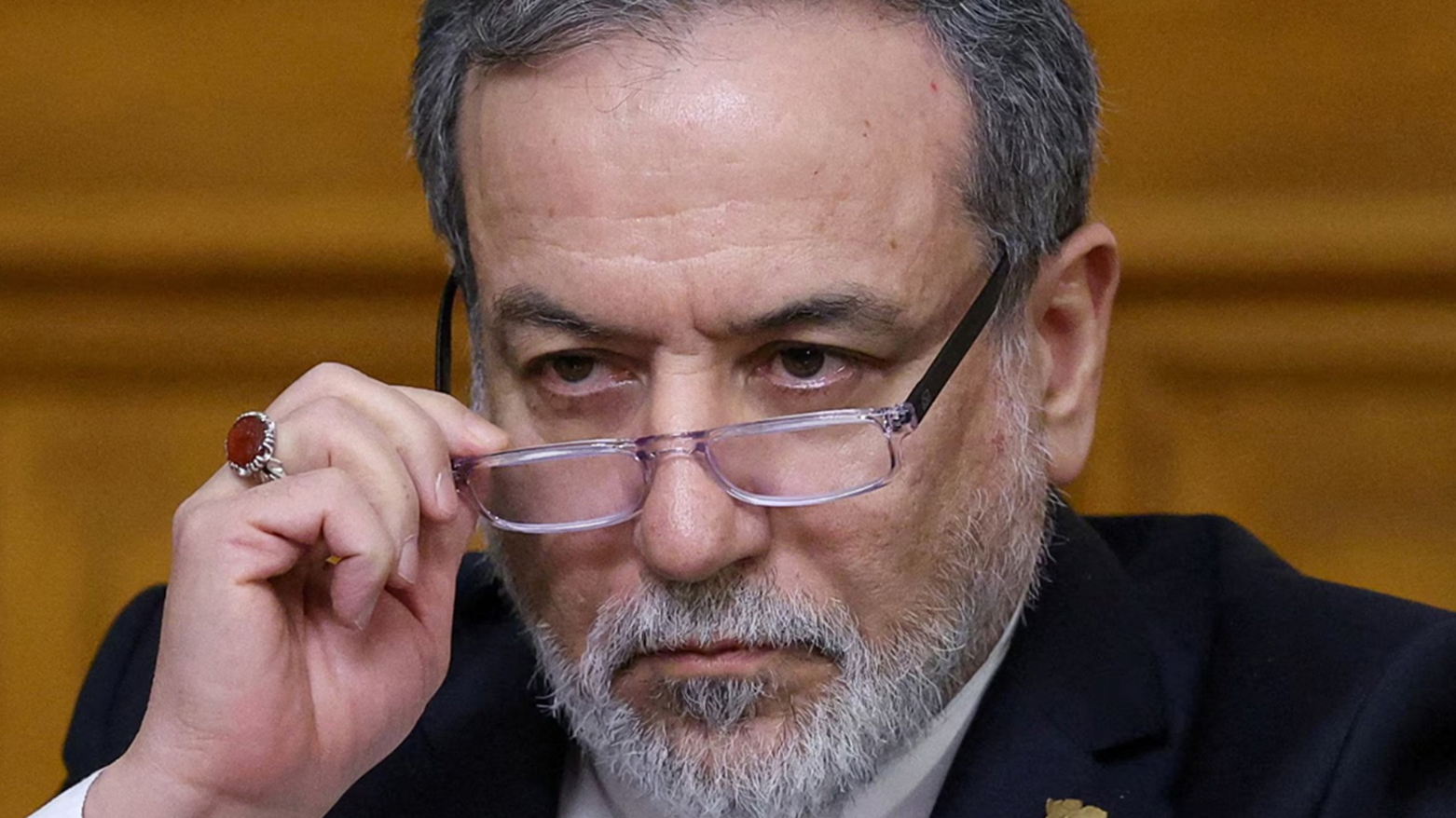
Iran’s Foreign Minister Abbas Araghchi said in a press statement issued on Saturday that Tehran would enter the talks under conditions of “complete mistrust,” framing the negotiations as proceeding in the shadow of prior disputes and unmet commitments. The statement coincided with the resumption of diplomatic efforts to revive a nuclear agreement that has faced repeated disruption.
The current round of discussions is being held in Islamabad, where Pakistani authorities have positioned themselves as facilitators of direct engagement between Iran and the United States. The talks began following more than 40 days of escalating tensions, including military threats and a recently announced ceasefire, according to reports.
Unlike earlier phases of diplomacy, which relied heavily on intermediaries, the Islamabad meetings are being conducted face-to-face. Officials have indicated that this format is intended to address both immediate tensions and longer-term issues tied to Iran’s nuclear file, although no formal agenda or outcome has been publicly confirmed.
According to reporting by the Tasnim News Agency, an Iranian delegation held preliminary discussions earlier on Saturday with Pakistani Prime Minister Shehbaz Sharif. The meeting addressed what the report described as Washington’s failure to adhere to prior commitments, a concern that Iranian officials have identified as central to the current negotiations.
The same report indicated that Iran has set out a series of conditions for engagement with the United States, including the cessation of hostilities in Lebanon and the release of Iranian financial assets held abroad. According to the agency, U.S. officials have communicated acceptance of the conditions necessary to begin negotiations, although implementation remains incomplete.
The diplomatic process is unfolding alongside continued technical scrutiny by the International Atomic Energy Agency, which is monitoring unresolved issues related to Iran’s nuclear activities. These include uranium enrichment levels and verification mechanisms—both of which have been identified as key obstacles to reaching a renewed agreement.
The agency’s involvement underscores the dual nature of the negotiations, where political commitments must be reconciled with technical verification requirements. Previous efforts to revive the agreement have stalled over disagreements concerning compliance and enforcement, leaving several core issues unresolved.
Security arrangements surrounding the talks reflect the sensitivity of the current phase. Pakistani authorities have designated the Serena Hotel as an exclusive diplomatic zone, clearing its 334 rooms and 53 suites to accommodate delegations and support personnel.
A security perimeter extending approximately three kilometers has been established, with heightened surveillance measures in place across the surrounding area, according to the same report.
These preparations indicate both the scale of the diplomatic engagement and the level of precaution deemed necessary by the host government. Pakistan’s role extends beyond logistics, positioning Islamabad as an intermediary capable of maintaining communication channels between parties with a history of strained relations.
The timing of the talks follows a period of intensified rhetoric and military signaling. Prior to the negotiations, U.S. President Donald Trump stated that Iran’s leverage was limited, apart from exerting short-term pressure on international waterways. He also indicated that ongoing negotiations had influenced the survival of Iranian officials, according to the report.
Iranian officials, for their part, have emphasized the legacy of previous agreements and the consequences of their breakdown. Araghchi’s reference to “complete mistrust” reflects a broader institutional position shaped by the U.S. withdrawal from earlier arrangements and subsequent disputes over compliance.
The diplomatic context is further complicated by regional dynamics, including the situation in Lebanon and the broader Middle East security environment. While the negotiations in Islamabad are formally centered on the nuclear file, parallel developments continue to influence both the tone and substance of the discussions.
Within this framework, the role of Pakistan as host carries both practical and symbolic significance. By facilitating direct talks, Islamabad has enabled a format that differs from prior negotiation rounds, potentially allowing for more immediate exchanges while also concentrating diplomatic risk within a single venue.
The presence of both delegations in the same location marks the first such direct engagement since the recent escalation of conflict. Officials have indicated that discussions are ongoing, with further meetings expected as the process develops.
The analytical significance of the current talks lies in the convergence of unresolved technical issues and accumulated political grievances. The involvement of the International Atomic Energy Agency ensures that any prospective agreement must address verification standards, while Iran’s stated conditions highlight the extent to which broader geopolitical considerations have become embedded in the negotiating framework.
At the same time, the shift to direct dialogue suggests an attempt by both sides to move beyond the limitations of indirect communication. Whether this format will facilitate substantive progress remains contingent on the ability of negotiators to reconcile competing demands within a constrained diplomatic environment.
No official statement has been issued regarding the outcome of the initial meetings in Islamabad. Authorities on all sides have indicated that discussions remain in progress, with the trajectory of the negotiations likely to depend on both technical deliberations and political assurances that have yet to be formalized.