Saudi Arabia Hosts Pakistani Military Deployment as Strategic Ties Deepen Amid Regional Tensions
Saudi economic outreach to Islamabad coincides with defense cooperation and shifting Gulf alliances
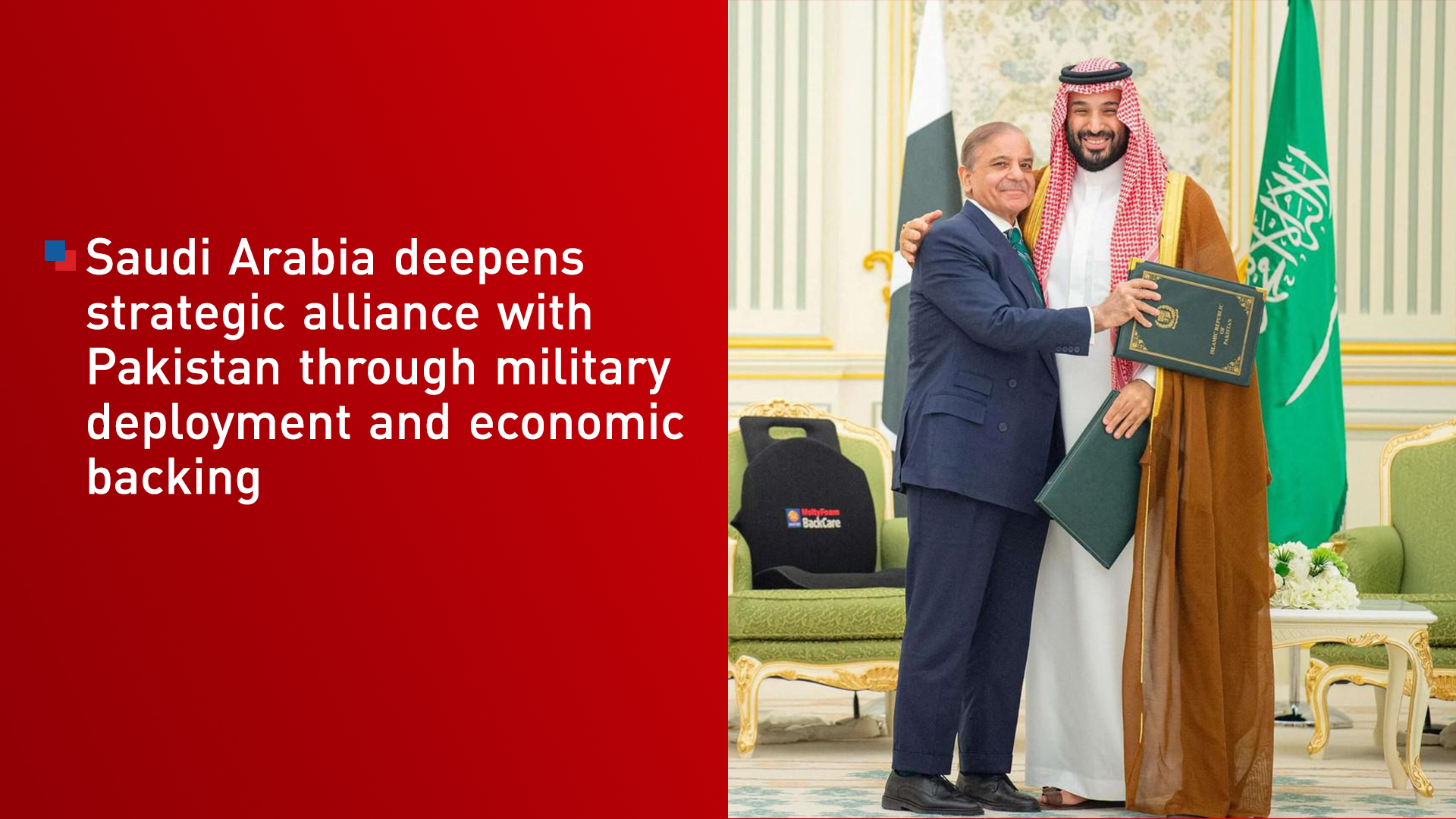
ERBIL (Kurdistan24) — Saudi Arabia on Saturday announced the arrival of a Pakistani military contingent at a key air base in the kingdom’s eastern sector, underscoring deepening defense ties between the two allies as regional tensions continue to reshape political and economic alignments.
In an official statement, the Saudi Ministry of Defense said the force from the Islamic Republic of Pakistan had arrived at King Abdulaziz Air Base as part of a joint strategic defense agreement signed between the two countries.
The deployment includes fighter jets and support aircraft belonging to the Pakistan Air Force, aimed at enhancing joint military coordination and raising operational readiness between the armed forces of both nations.
The ministry added that the move comes as part of efforts to support security and stability at both the regional and international levels, reflecting a broader effort to reinforce collective defense capabilities amid escalating geopolitical uncertainty in the Gulf.
The military development coincides with a high-level economic engagement, as Saudi Finance Minister Mohammed al-Jadaan visited Islamabad on Saturday in what a source described as a show of “economic support.”
The visit came just days after Pakistan announced it would repay more than $3 billion in loans to the United Arab Emirates, marking a significant shift in regional financial dynamics.
According to Pakistan’s prime minister’s office, Jadaan met with Prime Minister Shehbaz Sharif, with both sides reaffirming their commitment to expanding cooperation in trade, investment, and economic development.
The visit reflects Riyadh’s efforts to strengthen its economic influence in Islamabad at a time when Pakistan faces mounting financial pressure and continued reliance on IMF bailout programs and support from allied countries.
Jadaan’s trip also comes as Islamabad hosts sensitive talks between the United States and Iran aimed at ending the ongoing Middle East war, although the Saudi minister is not participating in the negotiations.
Iranian media reported on Saturday that negotiations with the United States aimed at ending the Middle East war had begun in Islamabad, though details regarding the format and structure of the talks remain unclear.
The Fars and Tasnim news agencies said the decision to launch negotiations followed progress in preliminary discussions and a reported reduction in Israeli attacks in southern Beirut, Lebanon.
Additional Iranian outlets, including Mehr and Isna, also confirmed the start of talks, echoing earlier statements from Pakistani Prime Minister Shehbaz Sharif’s office that the peace negotiations had officially commenced.
The parallel tracks of military and economic cooperation between Saudi Arabia and Pakistan highlight the emergence of new alliances in the Gulf, particularly as relations between Saudi Arabia and the UAE have cooled in recent years. Once close partners, the two countries have diverged on key regional issues, including conflicts in Yemen, Sudan, and the Horn of Africa.
Pakistan has positioned itself as a key intermediary alongside Saudi Arabia, Egypt, and Turkey in efforts to de-escalate the war involving the United States, Israel, and Iran, which has seen Gulf states absorb the impact of Iranian retaliatory strikes.
The UAE, in particular, has faced repeated attacks and adopted a more hawkish stance toward Tehran, emphasizing the need for comprehensive solutions that address broader security threats and ensure freedom of navigation.
While Abu Dhabi has not officially commented on ongoing mediation efforts, public discourse within the UAE has included criticism of countries such as Pakistan and Egypt for their diplomatic roles.
The arrival of Pakistani fighter jets in Saudi Arabia, reported by state media on Saturday, signals the activation of the joint defense agreement signed last year, reinforcing a long-standing military partnership between Riyadh and nuclear-armed Islamabad.
As the region navigates a volatile security landscape, the convergence of defense coordination and economic backing between Saudi Arabia and Pakistan suggests a strategic recalibration with implications extending well beyond the Gulf.