Fees for the Strait: Iran’s Hormuz Tolls Revive Ancient Maritime Levies After Fragile US-Iran Ceasefire
As Tehran demands payment for passage through one of the world’s most critical energy arteries, the move raises questions about whether this is a break from postwar maritime order or a return to patterns of power and profit that once defined global trade routes.
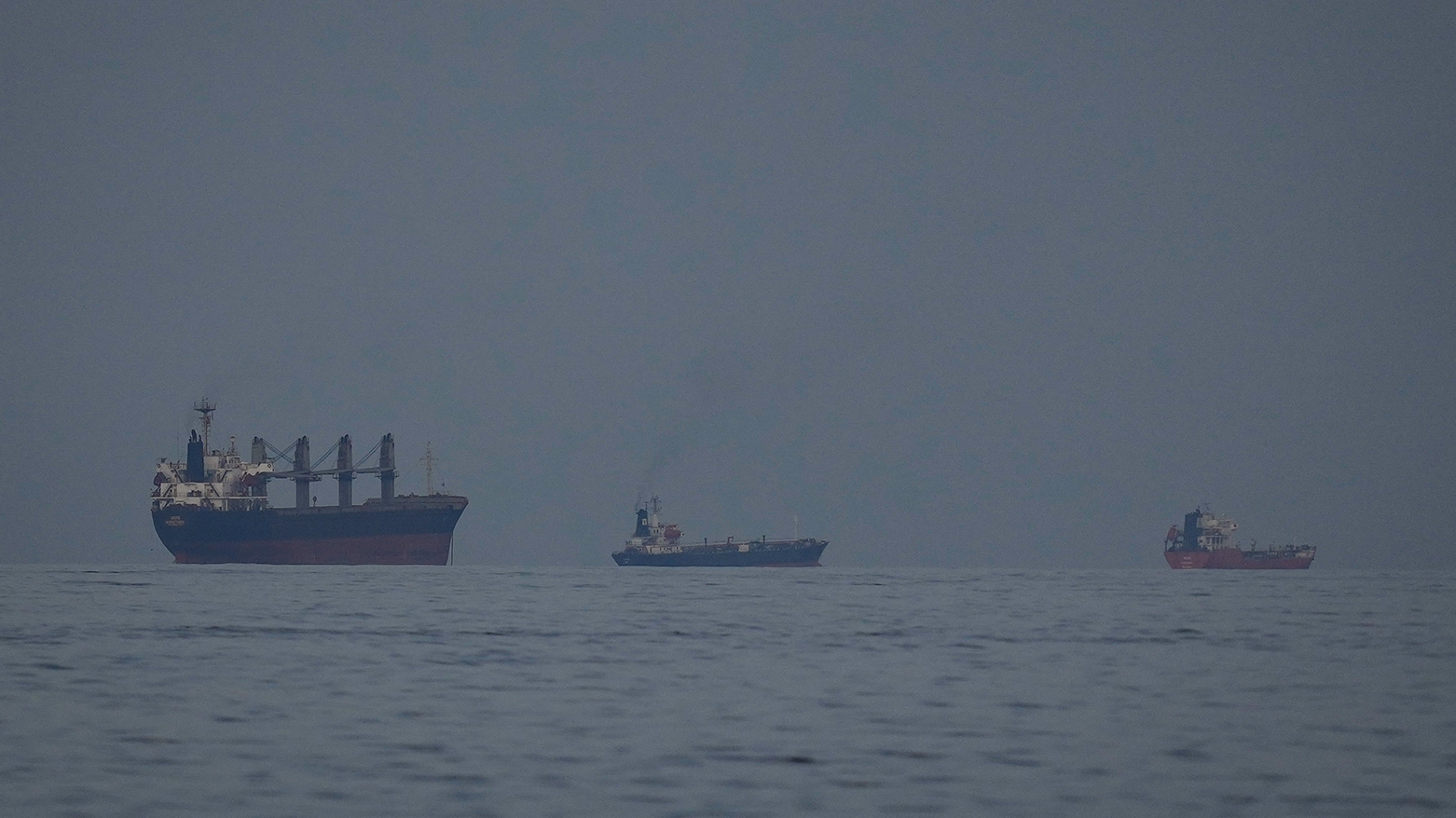
ERBIL (Kurdistan24) - Iran has begun imposing transit fees on vessels passing through the Strait of Hormuz, restricting traffic to a fraction of pre-conflict levels and requiring coordination with its Islamic Revolutionary Guard Corps even after a shaky ceasefire with the United States took effect earlier this month.
Reports by the BBC and France24 indicate fees could reach $2 million per ship or the cryptocurrency equivalent of $1 per barrel of oil carried, with proceeds potentially shared with Oman, whose territorial waters cover the southern portion of the narrow waterway.
The development comes weeks after the US and Israel launched military operations against Iranian targets in late Feb. 2026, prompting Tehran to limit shipping through the strait as leverage.
Only a handful of vessels — often those deemed neutral or linked to Iran — have reportedly transited since the truce, with many operators advised against paying the levies to avoid sanctions complications or legal risks.
The Strait of Hormuz handles roughly one-fifth of global seaborne oil and liquefied natural gas, making any disruption or added cost a matter of immediate concern for energy markets and economies from Asia to Europe.
What appears on the surface as a postwar bargaining chip is, in fact, part of a deeper contest: whether states can impose tolls on natural international waterways long governed by principles of open passage, or whether geography and military reach still trump the rules-based system that has defined maritime trade for decades.
Iran’s move places the strait at the centre of a debate that stretches far beyond the Persian Gulf.
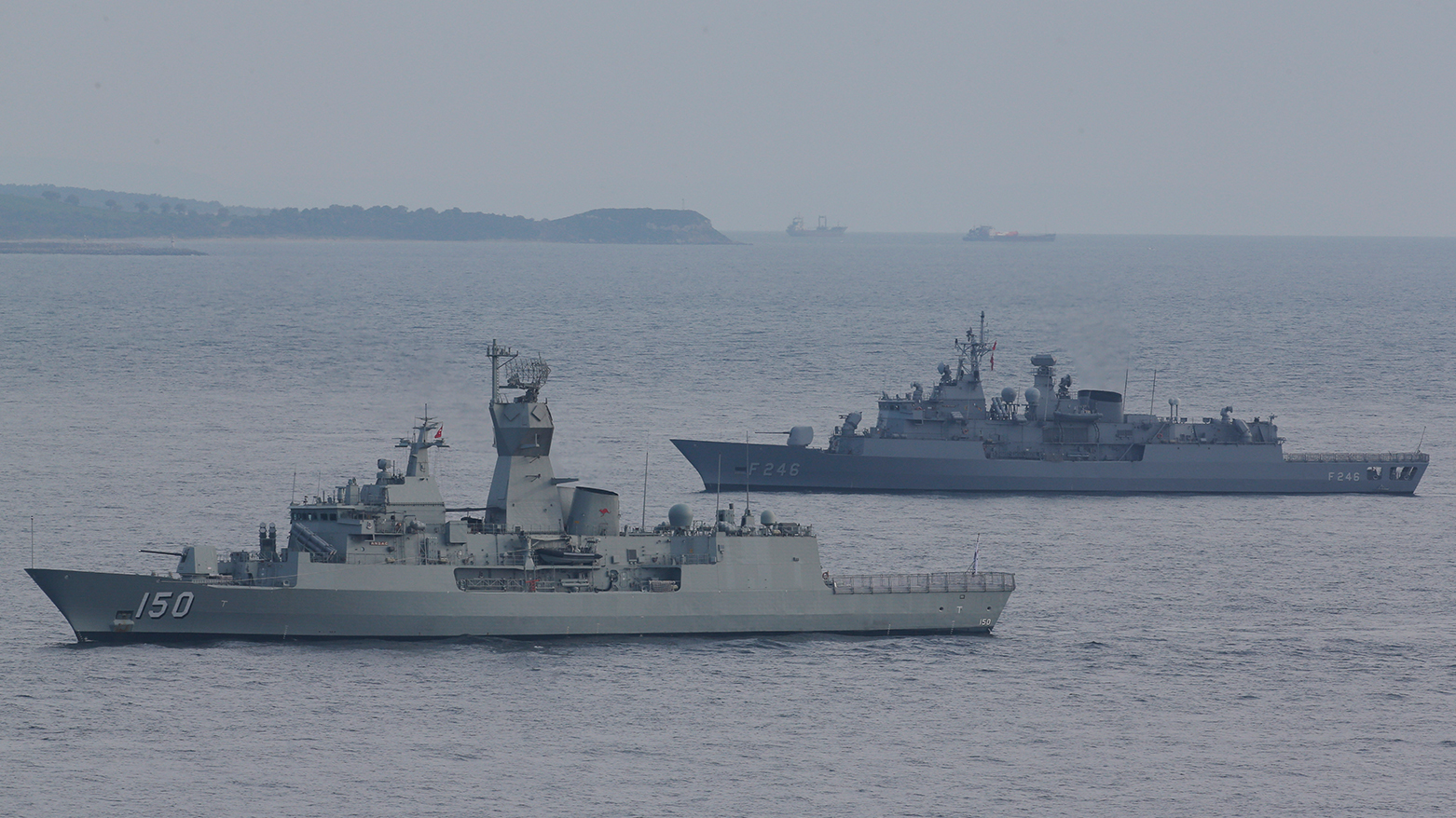
For centuries, empires and kingdoms extracted fees from merchants at strategic chokepoints, treating narrow seas as extensions of sovereign territory. The Ottoman sultans levied duties on ships entering the Dardanelles en route to the Black Sea, while Danish kings collected “sound dues” at Elsinore on the Øresund for more than four centuries until international pressure forced their abolition in 1857.
Modern international law, however, has sought to curb such practices in natural straits, distinguishing them sharply from engineered canals where tolls fund maintenance and operations.
Current Developments
Since the ceasefire announcement on April 7-8, 2026, Iran has maintained tight control over Hormuz transits.
Ship tracking data show traffic remains more than 90 per cent below normal levels, with only select vessels — often after advance coordination and payment — permitted to pass. The Islamic Revolutionary Guard Corps has reportedly managed a “tollbooth” system, demanding details of ships and cargoes and accepting payments in cryptocurrency or Chinese yuan to circumvent US sanctions.
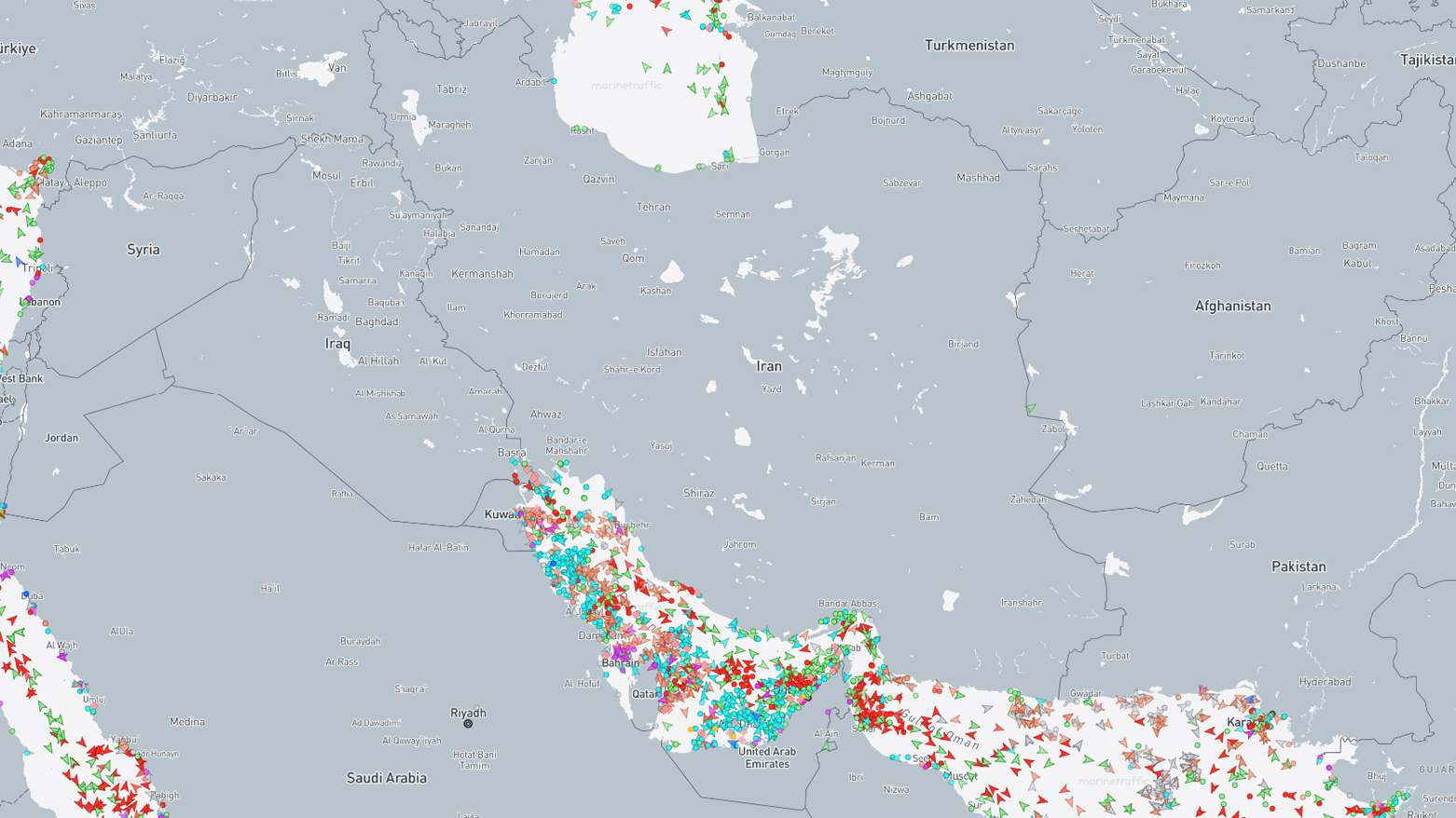
Iranian officials have framed the fees as compensation for security services and rebuilding costs after weeks of conflict that damaged infrastructure. Senior figures told negotiators the levies could help fund reconstruction, with some estimates suggesting formalised tolls shared with Oman might generate $5 billion to $8 billion annually.
President Donald Trump has publicly warned Iran against charging such fees, calling the waterway international and stating that Washington “will not allow” unilateral imposition, even as earlier comments floated the idea of a US-Iran “joint venture.”
Shipping associations and Gulf states have reacted with alarm.
The International Chamber of Shipping and tanker owners’ group Intertanko have urged members not to pay, arguing the practice violates long-standing maritime custom.
Oman has signalled reluctance to endorse a joint toll regime, preferring adherence to open navigation principles. Traffic has trickled forward in limited cases, but uncertainty persists, with oil prices rising above $100 per barrel amid fears of prolonged disruption.
Modern Maritime Norms
At the heart of the controversy lies the principle of freedom of navigation, enshrined in the United Nations Convention on the Law of the Sea. Under Part III of UNCLOS, straits used for international navigation — such as Hormuz — enjoy a right of “transit passage” that cannot be suspended or impeded by coastal states.
Ships and aircraft may pass continuously and expeditiously, without payment for mere transit.
Although neither Iran nor the United States has ratified the convention — Iran issued a declaration upon signature rejecting certain provisions for non-parties — legal scholars argue that key elements of transit passage have entered customary international law.
States bordering straits may regulate for safety, pollution prevention or resource management, but charging fees solely for passage crosses a clear line. Experts note that Iran’s position, which treats the strait partly as sovereign waters subject to permission, clashes with the non-suspendable nature of transit rights.
The distinction matters.
Tolls in natural straits risk turning geography into leverage, potentially inviting reciprocal claims elsewhere. Maritime lawyers describe the Hormuz scheme as an “extreme outlier” that could undermine the postwar consensus on open seas.
Historical Context of Maritime Tolls
Such practices are far from new. From the late 18th century, Ottoman authorities required merchants to obtain permissions and pay duties — known as İzn-i sefinei — to enter the Dardanelles and Black Sea, viewing those waters as an inland lake under imperial control.
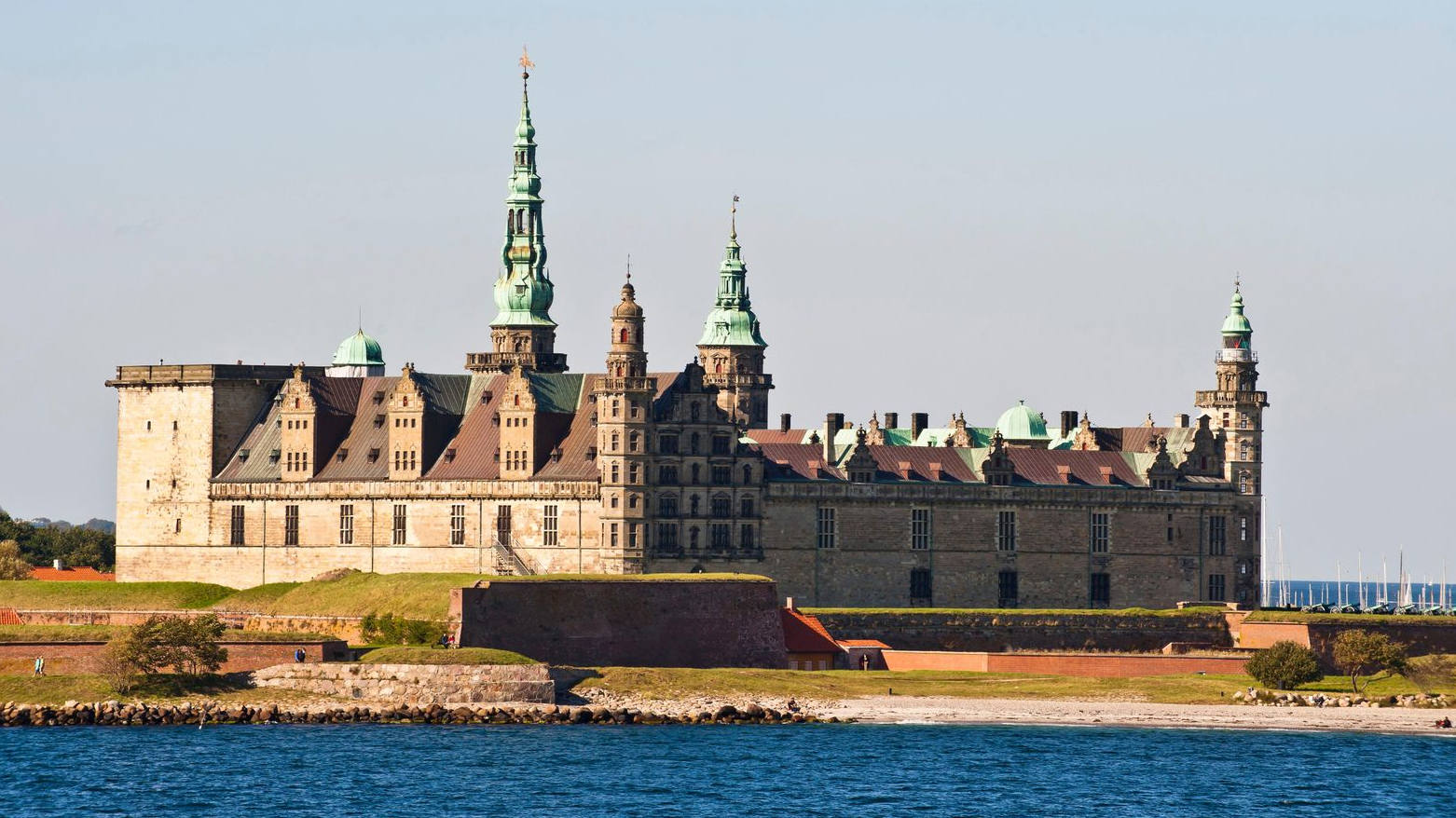
Denmark’s sound dues, collected from 1429 at Kronborg Castle, extracted 1-5 per cent of cargo value from passing ships until a coalition of trading powers, including the United States, compelled their end through the 1857 Copenhagen Convention, with compensation paid to the Danish crown.
These systems reflected an era when control of chokepoints translated directly into revenue and strategic dominance. The transition to modern norms accelerated after the Napoleonic Wars and intensified in the 20th century, as rising powers championed freedom of the seas to protect expanding trade.
The 1857 treaty ending Danish levies was hailed at the time as removing one of the most objectionable taxes on commerce. Yet the impulse to monetise narrow waterways never fully disappeared; it simply migrated to new contexts.
Engineered Waterways versus Natural Straits
The contrast with artificial canals is instructive.
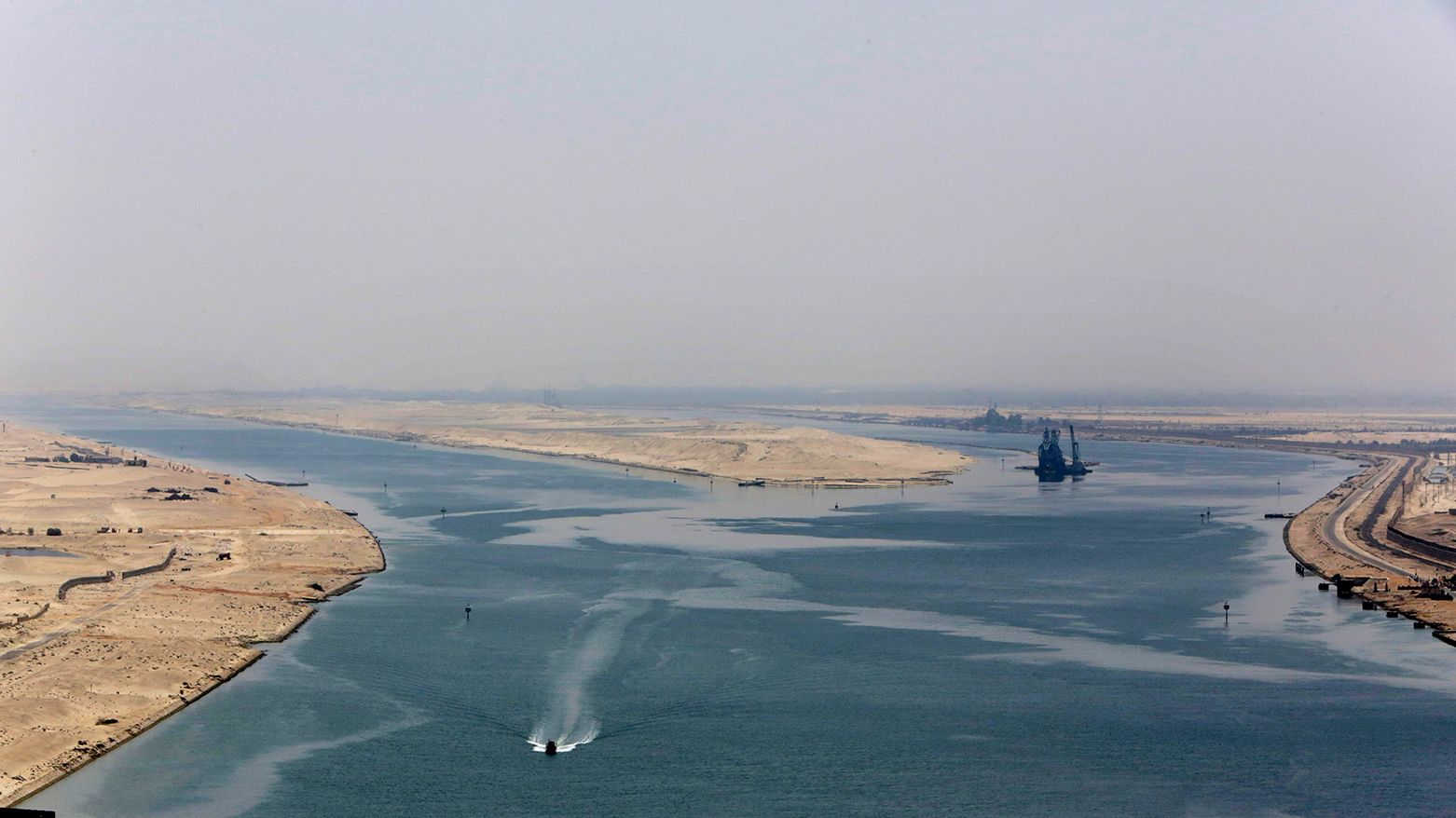
The Suez Canal, completed in 1869, and the Panama Canal, opened in 1914, generate billions in annual tolls — Suez earned a record $10.3 billion in 2023 — precisely because they are man-made infrastructure crossing sovereign territory.
International treaties govern their operation, allowing fees to cover maintenance, expansion and administration. Coastal states exercise full sovereignty, subject only to those specific agreements.
Natural straits like Hormuz, the Bosphorus or the Strait of Malacca operate under different rules. They connect high seas or exclusive economic zones without requiring artificial construction.
Under UNCLOS and customary law, transit passage prevails. Türkiye levies service fees in the Bosphorus under the 1936 Montreux Convention for lighthouse and rescue operations, not pure transit.
No equivalent treaty regime exists for Hormuz, leaving it governed by general principles that prohibit tolls for passage alone.
Legal Analysis
Legal scholars draw a firm distinction between legitimate service charges and contested transit tolls. Fees for pilotage, pollution control or search-and-rescue in territorial waters can be justified if proportionate and non-discriminatory.
Iran’s proposal, however, appears closer to a levy for safe passage itself — effectively a tax on geography — which maritime law experts deem incompatible with transit passage obligations.
Andrew Serdy, professor of public international law of the sea at the University of Southampton, has noted that Hormuz lacks the “bespoke treaty regimes” that legitimise fees in canals.
Yörük Işik of the Bosphorus Observer consultancy warns that formalising such a system would “overturn centuries of maritime law” and open a Pandora’s box for other chokepoints.
Neither Iran nor the US has ratified UNCLOS in full, yet both have historically invoked its principles when convenient; the current dispute highlights the fragility of customary norms when great-power interests diverge.
Economic and Strategic Implications
The stakes are immediate and global. Roughly 21 million barrels per day of oil and petroleum products flowed through Hormuz before the conflict, representing about one-fifth of seaborne trade.
Asia, particularly China, India and Japan, relies heavily on these flows. Even modest delays or added costs ripple through supply chains, inflating freight rates and consumer prices.
Kpler estimates that a formal toll regime could generate substantial revenue for Iran and Oman, but at the price of higher global energy costs and potential rerouting around the Cape of Good Hope — a longer, costlier path already tested during recent Red Sea disruptions.
Gulf exporters, including Saudi Arabia and the UAE, face higher insurance premiums and reduced competitiveness.
European and American importers confront renewed volatility in oil markets. The cryptocurrency payment mechanism adds another layer of complexity, potentially complicating sanctions enforcement and financial oversight.
Global Precedent and Risk
Should Iran’s approach gain traction, even temporarily, it could embolden other coastal states with strategic waterways.
China’s claims in the South China Sea, Indonesia’s assertions around the Strait of Malacca, or renewed scrutiny of the Turkish Straits all loom as potential flashpoints.
A precedent here would challenge the rules-based international order that has underpinned postwar globalisation, shifting the balance from collective norms toward unilateral power.
Analytical Synthesis
Iran’s push for Hormuz tolls reveals a tension as old as trade itself: the pull between geography and sovereignty on one side, and the collective interest in open sea lanes on the other. It is less a radical departure from history than a reminder that modern maritime law represents a fragile overlay atop older patterns of control.
Where empires once extracted tribute openly, today’s powers cloak similar ambitions in security language or reconstruction rhetoric.
The real test lies not in whether states can assert dominance over chokepoints — history shows they often try — but whether the international community can sustain the open-system norms that have delivered unprecedented trade volumes and prosperity.
The shift from open seas to conditional passage carries risks far beyond the Gulf.
It underscores the enduring fragility of systems long assumed stable, where legal texts meet raw geopolitical reality. Diplomatic pathways remain open, with talks in Pakistan and ongoing pressure from shipping nations.
Yet the outcome remains uncertain. For now, the Strait of Hormuz stands as both a vital artery and a cautionary symbol: even in an era of globalisation, the power to tax the sea has never fully receded into the past.