Trump Says Iran Talks ‘Went Well’ but Fail as Tehran Remains Unyielding on Nuclear Issues
The latest round of direct talks held in Islamabad, Pakistan, on Saturday underscored a persistent deadlock between the two sides, with Iran refusing to meet core U.S. demands regarding its nuclear program.
ERBIL (Kurdistan24) — U.S. President Donald Trump said on Sunday that negotiations with Iran had gone “very good” overall, despite ultimately failing to produce a permanent agreement, citing Tehran’s continued resistance on key nuclear issues.
The latest round of direct talks held in Islamabad, Pakistan, on Saturday underscored a persistent deadlock between the two sides, with Iran refusing to meet core U.S. demands regarding its nuclear program.
U.S. Vice President JD Vance confirmed that the high-level negotiations, which lasted 21 hours, concluded on Sunday without a breakthrough. He noted that Tehran rejected what Washington described as its “final and best offer.”
Despite the lack of agreement, Trump struck a confident tone, saying the talks had gone “well” and that “most points were agreed to,” while reiterating that Iran remained unwilling to compromise on its nuclear ambitions.
In a significant escalation, Trump announced that he had ordered a U.S. naval blockade of the Strait of Hormuz in response to Iran’s stance.
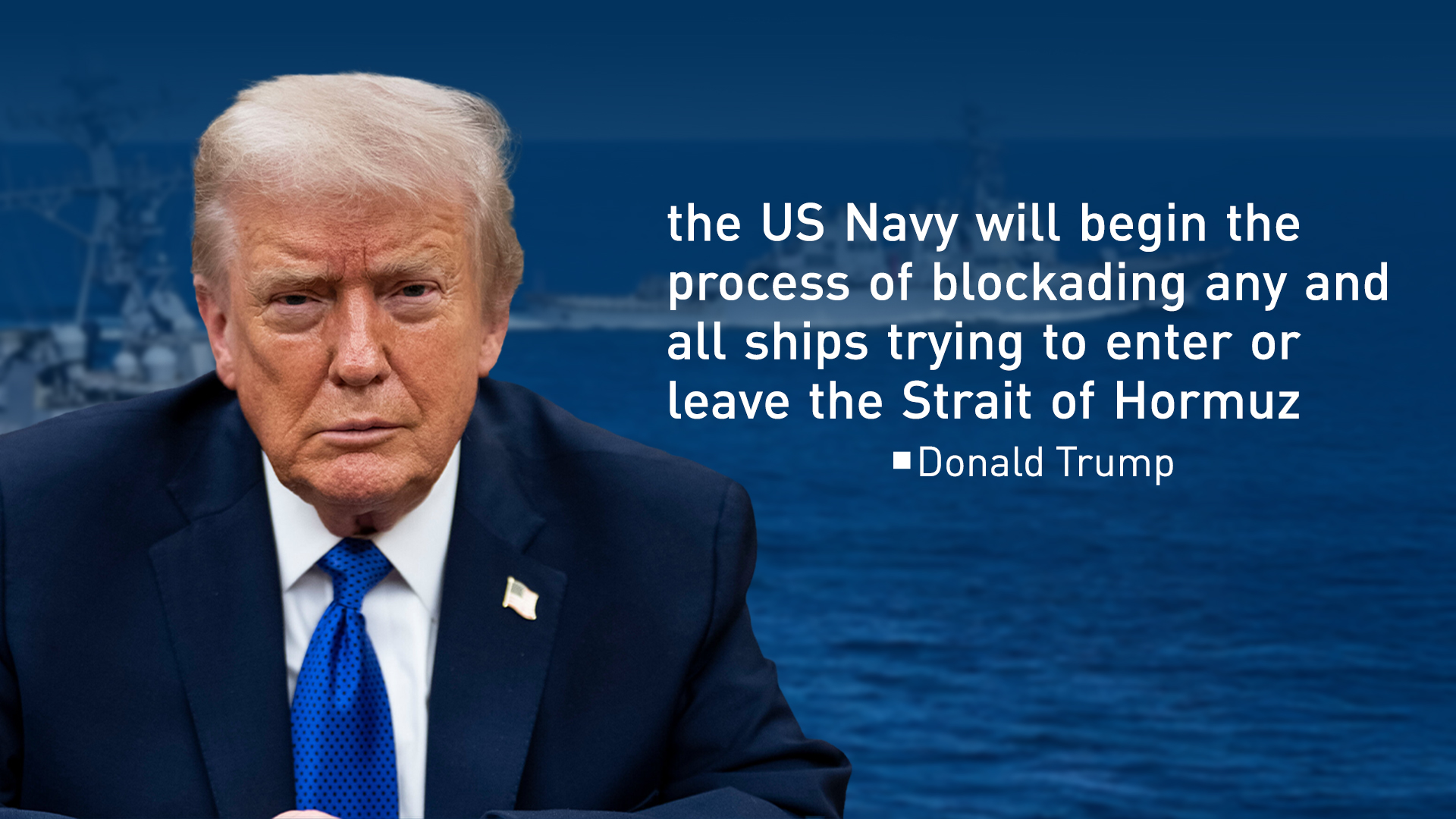
“Effective immediately, the United States Navy, the finest in the world, will begin the process of blockading any and all ships trying to enter or leave the Strait of Hormuz,” Trump said on his Truth Social platform.
Control of the strategic waterway had been a central sticking point in the negotiations, with Tehran seeking greater authority over the passage, while Washington insisted on maintaining free and open transit.
The failure to secure a deal, coupled with the announcement of a blockade, marks a sharp escalation in tensions and leaves the future of U.S.-Iran relations increasingly uncertain.