Global Leaders React to US Strait of Hormuz Blockade as Economic and Diplomatic Fallout Deepens
The UK, Spain, and China distance themselves from escalation, while Germany and Palau warn of severe economic impact from soaring energy prices
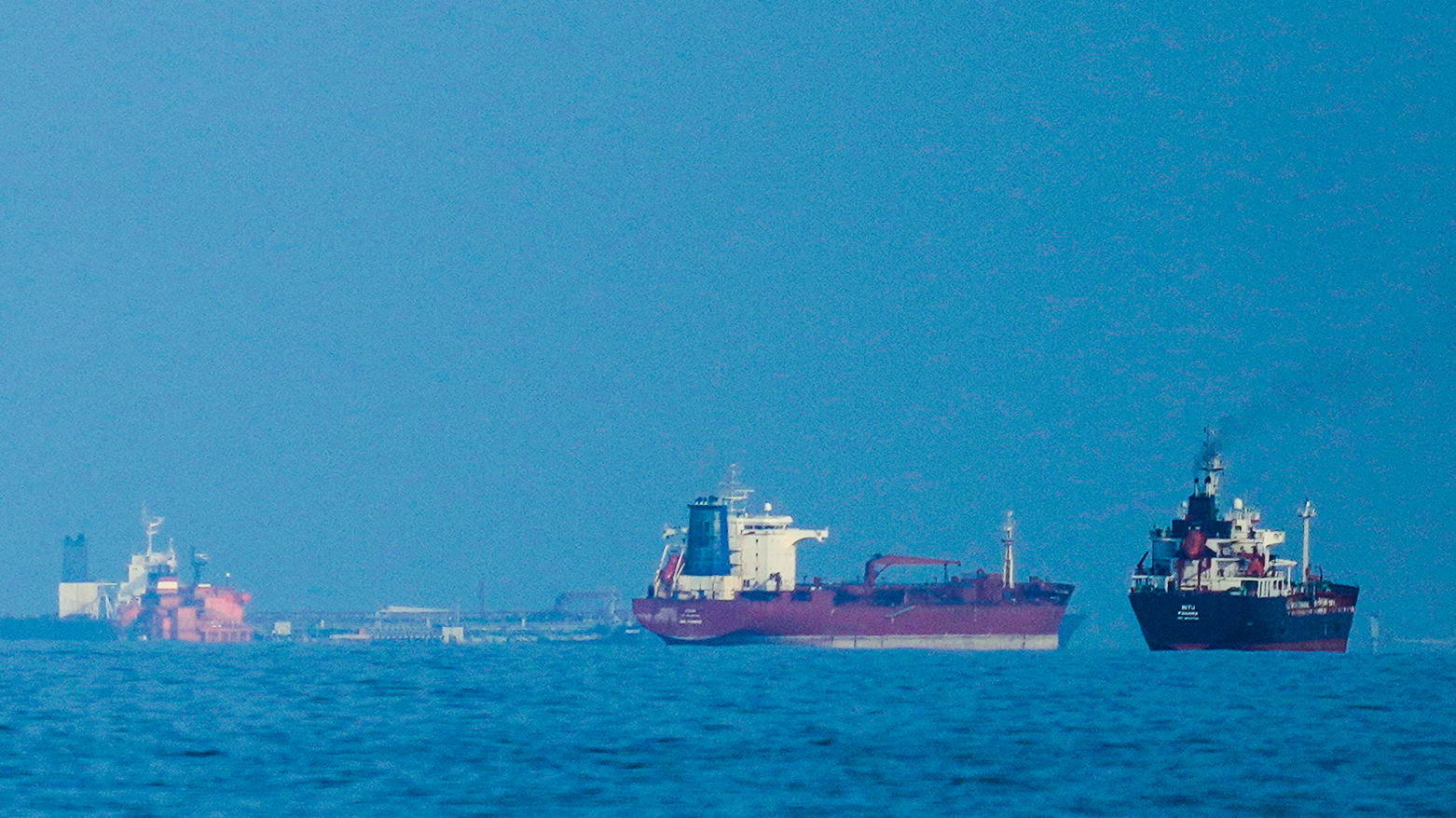
ERBIL (Kurdistan24) — International reactions mounted on Monday following US President Donald Trump’s announcement of a naval blockade of the Strait of Hormuz, with key allies and global powers distancing themselves from the move while warning of widening economic and geopolitical consequences.
UK Prime Minister Keir Starmer said Britain will not take part in the operation and stressed that London is not being drawn into a confrontation with Iran.
“We are not supporting the blockade,” Starmer told BBC Radio, adding that the UK “is not getting dragged in” to the war with Iran.
Spain also strongly criticized the decision, with Defense Minister Margarita Robles calling the blockade “something that makes no sense,” warning it risks further destabilizing an already volatile situation.
“I too think it’s something that makes no sense… It's one more episode in this whole downward spiral into which we've been dragged,” she said in an interview with Spanish public television.
China urged restraint from all sides, calling for renewed diplomatic engagement between Washington and Tehran following the collapse of recent talks mediated in Pakistan.
Foreign Ministry spokesperson Guo Jiakun said Beijing hopes both countries will “abide by the temporary ceasefire agreement, continue resolving disputes through political and diplomatic means, avoid reigniting war, and create conditions for an early return to peace and tranquility in the Gulf region.”
The diplomatic fallout comes as European economies begin warning of long-term economic strain from the ongoing crisis. German Chancellor Friedrich Merz said the impact of the Middle East conflict and its effect on global energy markets will persist even after hostilities subside.
“We will continue to feel the consequences of this war for a long time to come, even after it is over,” Merz said, as Berlin announced relief measures including fuel tax cuts to cushion rising costs.
The effects are also being felt far beyond Europe. In the Pacific, Palau’s President Surangel Whipps Jr warned that soaring oil prices have placed significant pressure on the island nation’s economy, where energy costs have surged sharply.
“The price of diesel has doubled for Palau,” Whipps told AFP. “It ripples through the whole economy and, of course, individual people and their livelihoods.”
He added that gasoline prices have risen by at least 50 percent, calling it a “big impact on the daily lives” of citizens as transportation and basic living costs continue to rise.
The wave of international responses underscores growing global concern over the Strait of Hormuz escalation, with governments warning that any disruption to the critical energy corridor risks triggering broader economic instability across multiple regions.