Kurdish Shepherds Return to Türkiye’s Hakkari Mountains as Peace Efforts Ease Decades of Conflict
In the Cilo highlands, pastoral life revives amid cautious calm following years of fighting between Turkish forces and the PKK
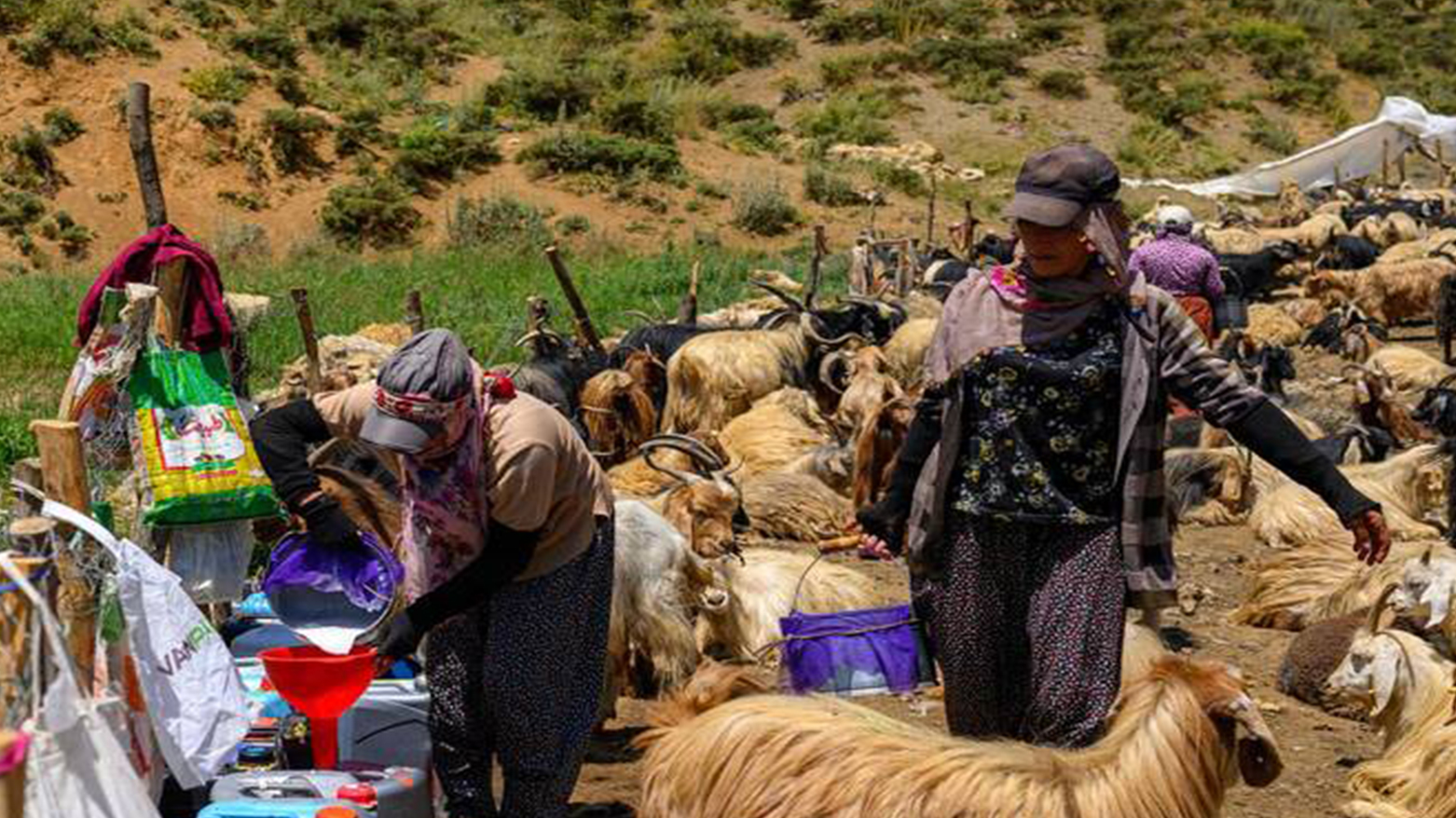
ERBIL (Kurdistan24) — Deep in the rugged mountains of Türkiye’s southeastern Hakkari Province, near the borders of Iran and Iraq, Kurdish shepherds are gradually returning with their flocks after decades of armed conflict between Kurdistan Workers' Party militants and the Turkish military.
“We've been coming here for a long time. Thirty years ago, we used to come and go, but then we couldn't come. Now we just started to come again and to bring our animals as we want,” said 57-year-old Selahattin Irinc, speaking to AFP in Kurdish as he tended to his sheep in the highlands.
The return of pastoral life follows a gradual de-escalation of violence tied to the conflict with the PKK, which was formed in 1978 and launched an armed insurgency against the Turkish state in 1984. The group is designated as a terrorist organization by Türkiye and several international actors, including the United States and the European Union.
Last year, a symbolic weapons destruction ceremony held in the Kurdistan Region marked what observers described as a significant step in the PKK’s reported transition from armed struggle toward political engagement, reflecting broader attempts to close one of the region’s longest-running conflicts.
The decades-long conflict has claimed tens of thousands of lives, including civilians and security personnel, and left deep scars across southeastern Türkiye. In its aftermath, once-restricted mountain zones such as the Cilo range are slowly reopening to shepherds and, increasingly, tourists.
Irinc is among those returning to the summer grazing routes at the foot of the Cilo Mountains and its Resko peak, which at 4,137 meters is among the highest in Türkiye. The area, known for its glaciers, waterfalls, and alpine lakes, has in recent years become more accessible as violence has declined.
For decades, however, the same terrain served as a battlefield between Turkish forces and PKK fighters who used the mountainous landscape for cover, leaving local Kurdish villagers often caught in between.
“In the past, we always had problems with the Turkish soldiers. They accused us of helping PKK fighters by feeding them things like milk and meat from our herd,” said another livestock owner, speaking on condition of anonymity, rejecting the accusations. “Now it's calmer,” he added.
Despite the relative easing of tensions, signs of military presence remain visible, with checkpoints still positioned around Hakkari and key access routes to trekking areas leading toward the Cilo glacier, which has also become a growing tourist destination.
“Life is quite good, and it's very beautiful here. Tourists come and stay in the mountains for one or two days with their tents, food, water, and so on,” said farmer Mahir Irinc.
Yet for many, the lifestyle remains difficult and uncertain. The demanding terrain and limited economic opportunities are pushing younger generations away from pastoral work, raising concerns about the future of mountain herding traditions.
“I don't think a new generation will come after us,” Mahir added. “Young people nowadays don't want to raise animals; they just do whatever job is easier.”
In the high pastures, life continues in seasonal cycles. Open trucks carry Kurdish families deeper into the mountains, where livestock graze for three to four months during the warm season before returning to villages for winter.
“We all work here. Mothers, sisters, our whole family,” said 22-year-old Hicran Denis. “Normally, I'm preparing for university, but today I was forced to come because my mother is sick.”
“I told my mother: don't do this anymore, because it's so tiring. But when you live in a village, livestock is the only work. There's nothing else,” she said, reflecting the enduring economic realities of rural mountain life.