US Navy Turns Back Iranian Cargo Ship at Hormuz as Blockade Holds Firm
The USS Spruance turned back an Iranian cargo vessel attempting to evade the Hormuz blockade on April 16, bringing the total to ten ships redirected with zero breakthroughs. CENTCOM's commander completed his second regional tour in 15 days as diplomacy continued in parallel.
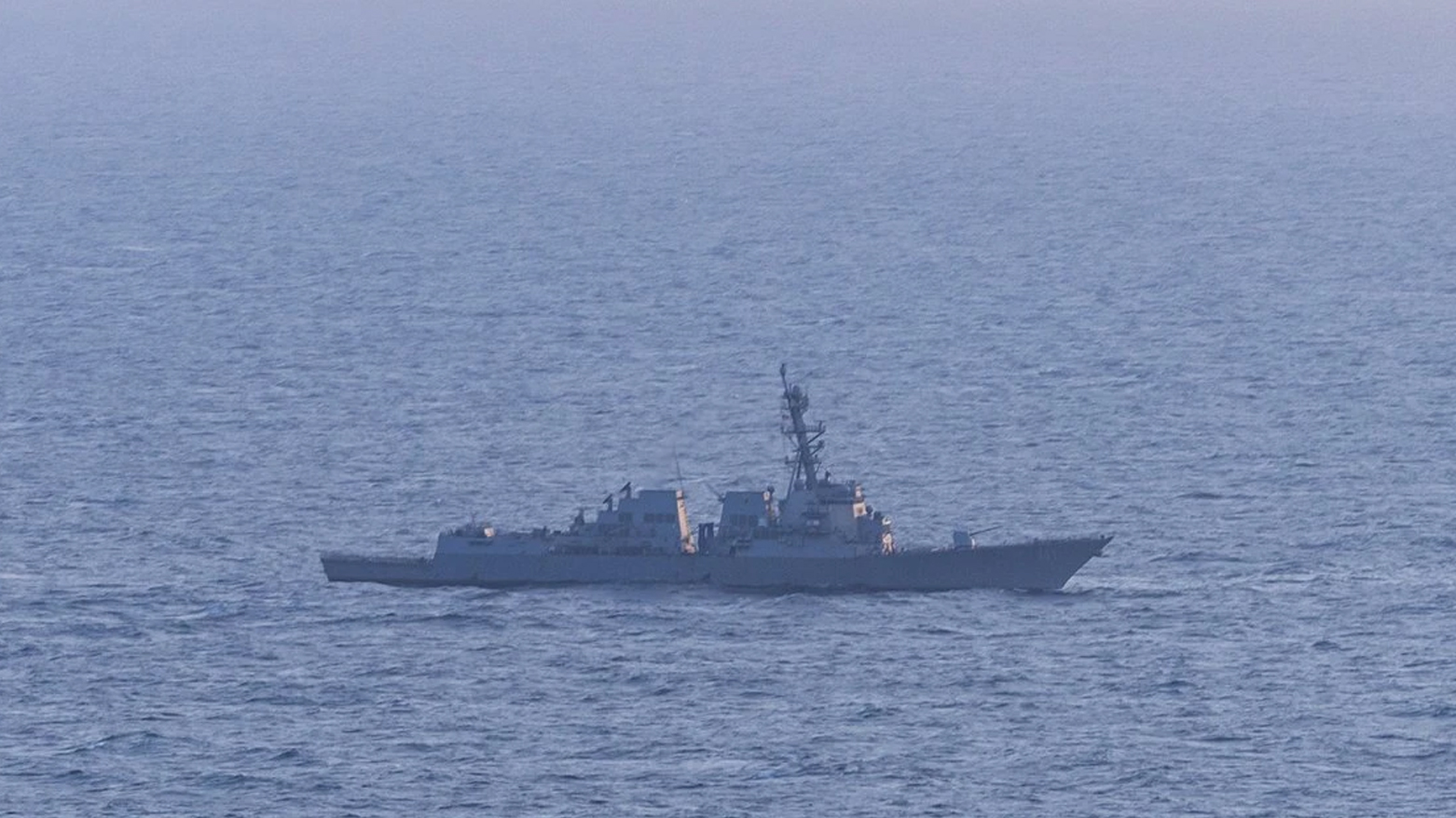
ERBIL (Kurdistan24) - The US naval blockade of the Strait of Hormuz is holding — and on Thursday, it was tested again. US Central Command (CENTCOM) announced in the early hours that a guided-missile destroyer, the USS Spruance (DDG 111), successfully redirected an Iranian-flagged cargo vessel that had attempted to evade the blockade after departing the port of Bandar Abbas.
According to CENTCOM's statement, posted on X, the vessel exited the Strait of Hormuz and transited along the Iranian coastline in an apparent bid to slip past the naval cordon.
The USS Spruance intervened and redirected the ship, which subsequently turned back toward Iran.
CENTCOM confirmed that ten vessels have now been turned around since the blockade began on Monday, and that not a single ship has broken through.
CENTCOM commander completes second regional tour
In a separate post, CENTCOM also announced that Admiral Brad Cooper, the command's commander, had completed his second visit to the Middle East in the past 15 days. During the trip, Cooper engaged regional partners across six different countries and visited with US troops — a signal of Washington's intent to maintain a robust military presence across the region even as diplomatic channels remain active.
Thursday's naval developments unfolded against a backdrop of cautious but persistent diplomacy. Iran on Wednesday rejected a US request to extend the current two-week ceasefire, insisting Washington fulfill its existing commitments before seeking more time.
Tehran also declined European offers to host a future round of talks, with Islamabad remaining the preferred venue for any potential second round of negotiations.
The White House, however, expressed optimism. Press Secretary Karoline Leavitt told reporters Wednesday that a second round of talks is under consideration and that Washington is confident about the prospects of a deal, adding that any upcoming negotiations would "very likely" take place in Islamabad.
Pakistani mediation has continued without pause. Army Chief Asim Munir led a high-level delegation to Tehran on Wednesday, where he met with Iranian Foreign Minister Abbas Araghchi.
The delegation, which also included Interior Minister Mohsin Naqvi, was tasked with conveying messages from Washington and exploring the possibility of restarting formal negotiations. Foreign Ministry spokesperson Ismail Baghaei confirmed that several messages have been exchanged between Tehran and Washington through Pakistan since the first round of talks concluded.
The previous round of negotiations lasted 21 hours across April 11 and 12 in Islamabad, with US Vice President JD Vance leading the American delegation and Parliament Speaker Mohammad Baqer Qalibaf heading the Iranian side. The talks ended without a deal, with core disputes over Iran's nuclear program and the Strait of Hormuz remaining unresolved.