Mawlan Case: Care Denial, Funeral Dispute After Drone Strike
In Sulaimani, a mourning space stands empty: an 18-year-old denied hospital care in life was also denied ritual in death. Around Ghazal Mawlan, grief has become a legal and political standoff, exposing the limits of sanctuary.
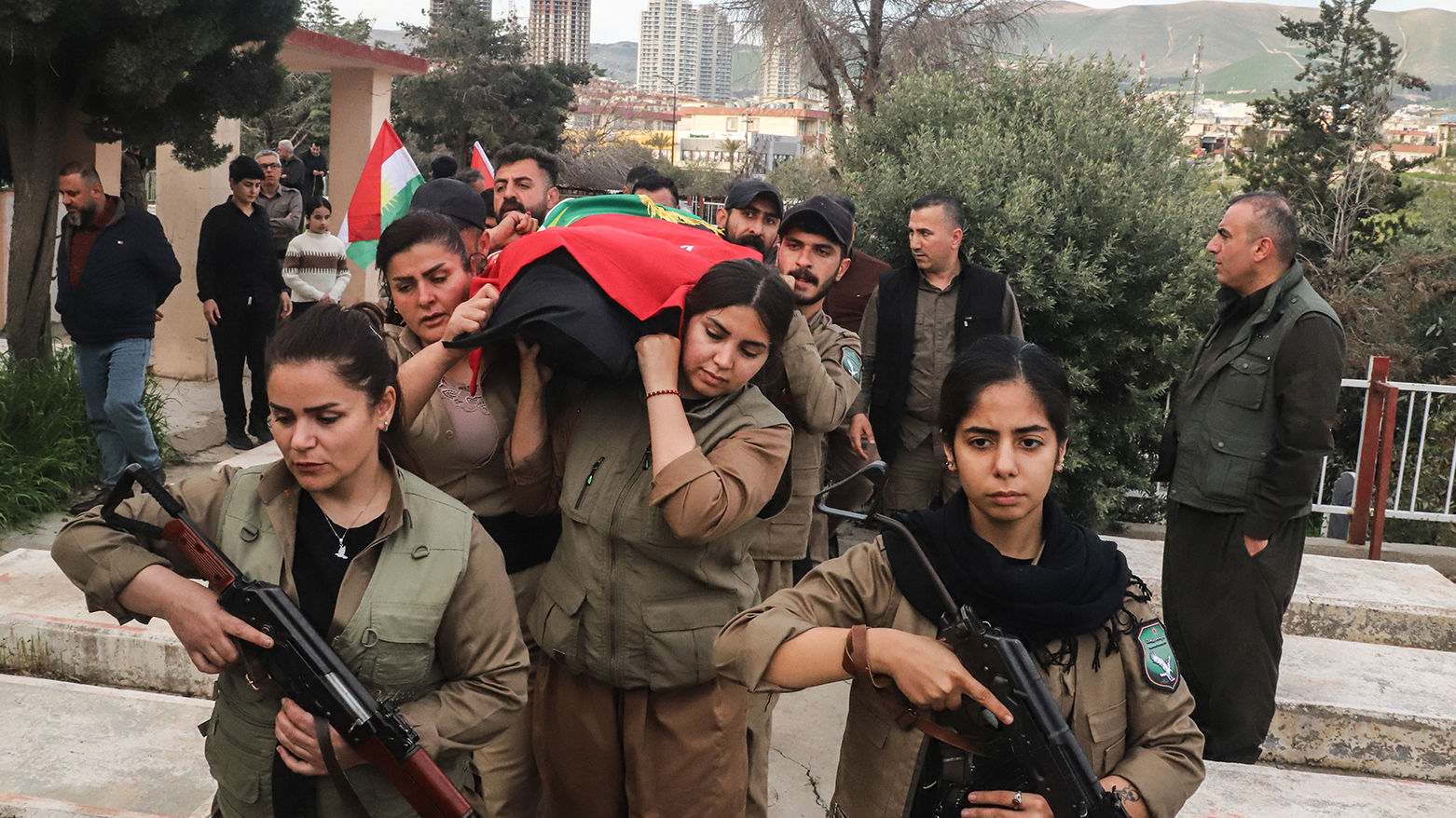
ERBIL (Kurdistan24) - The death of an 18-year-old Kurdish woman from Eastern Kurdistan (Rojhelat), who was denied emergency hospital admission and public funeral rites following a recent drone strike, has triggered a human rights investigation and a tense political standoff in Sulaimani province.
The institutional crisis surrounding Ghazal Mawlan’s death exposes the increasingly fraught legal and security environment constraining Kurdish opposition figures from Eastern Kurdistan in the Kurdistan Region.
In a quiet alleyway in Sulaimani, an intended mourning space outside the home of Kurdish politician and former Iraqi MP Sardar Abdullah remains empty, cordoned off by a complex dispute over security protocols, medical ethics, and geopolitical pressure.
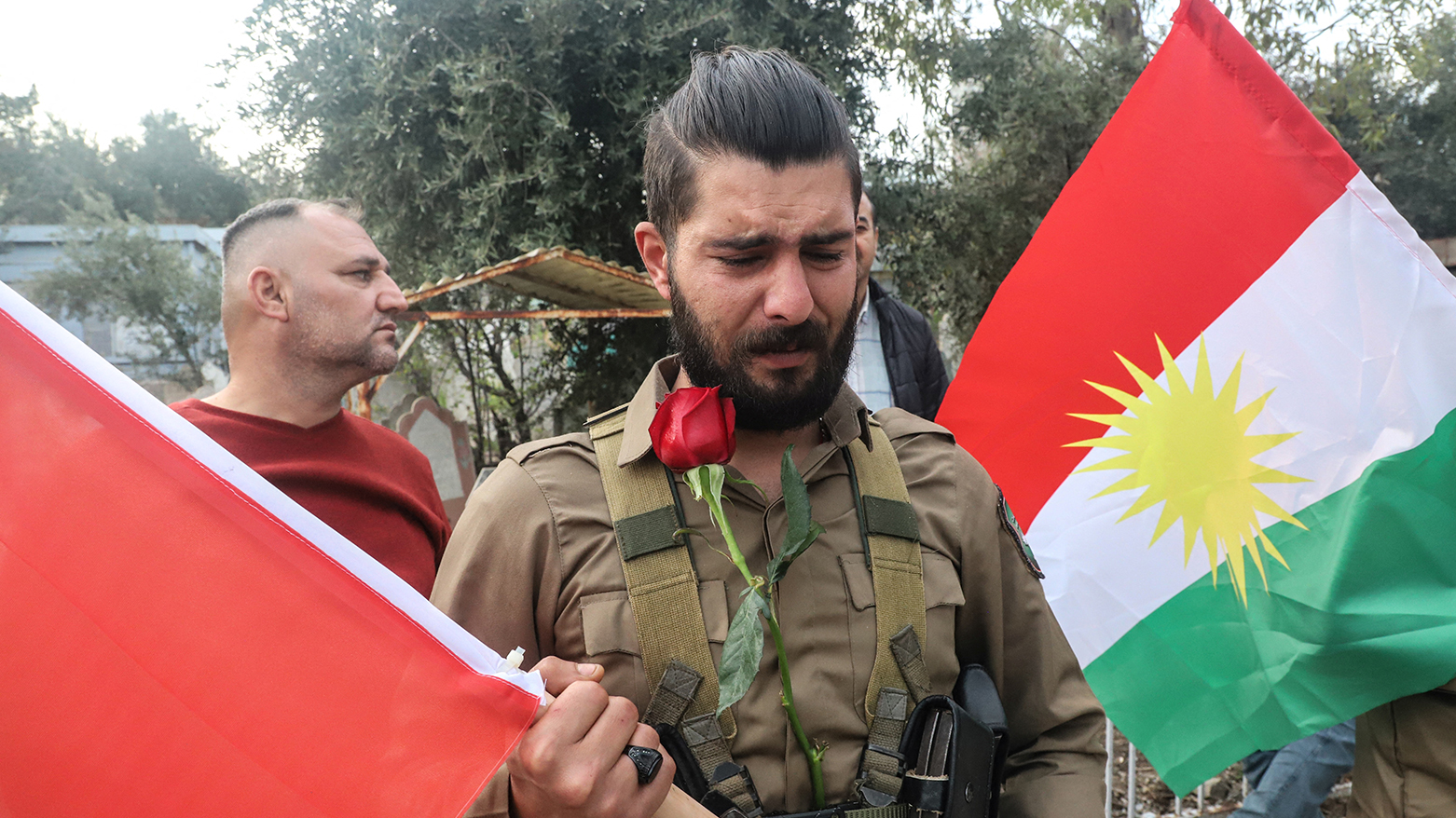
The gathering was meant to honor Mawlan, who was affiliated with the Kurdish opposition party Komala in Eastern Kurdistan and died after sustaining severe injuries in a drone strike near the provincial border. Instead, the prevention of her wake has become the focal point of a growing civic backlash.
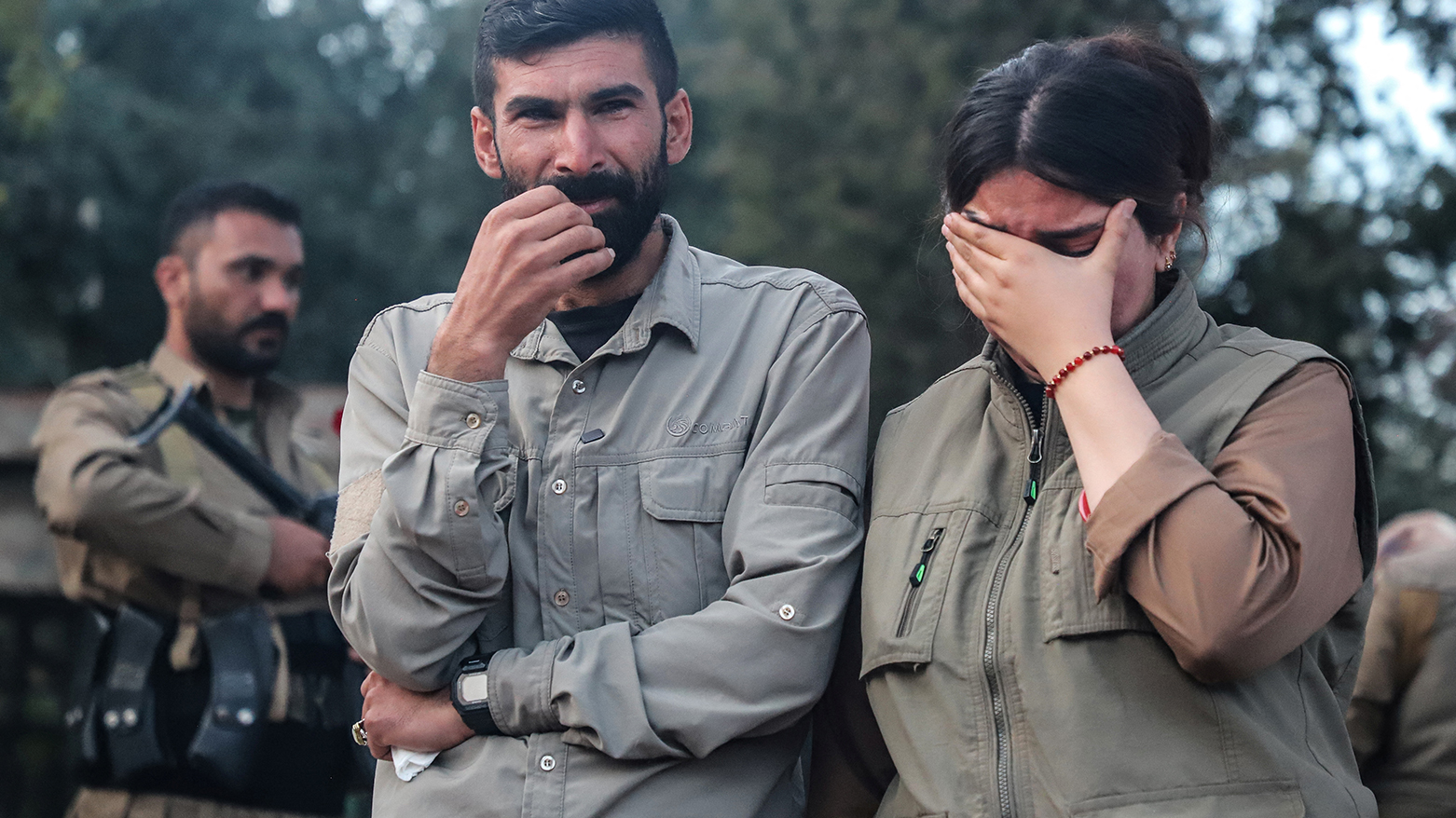
According to the Independent Commission for Human Rights in the Kurdistan Region, Mawlan’s death was precipitated by a series of systemic institutional rejections.
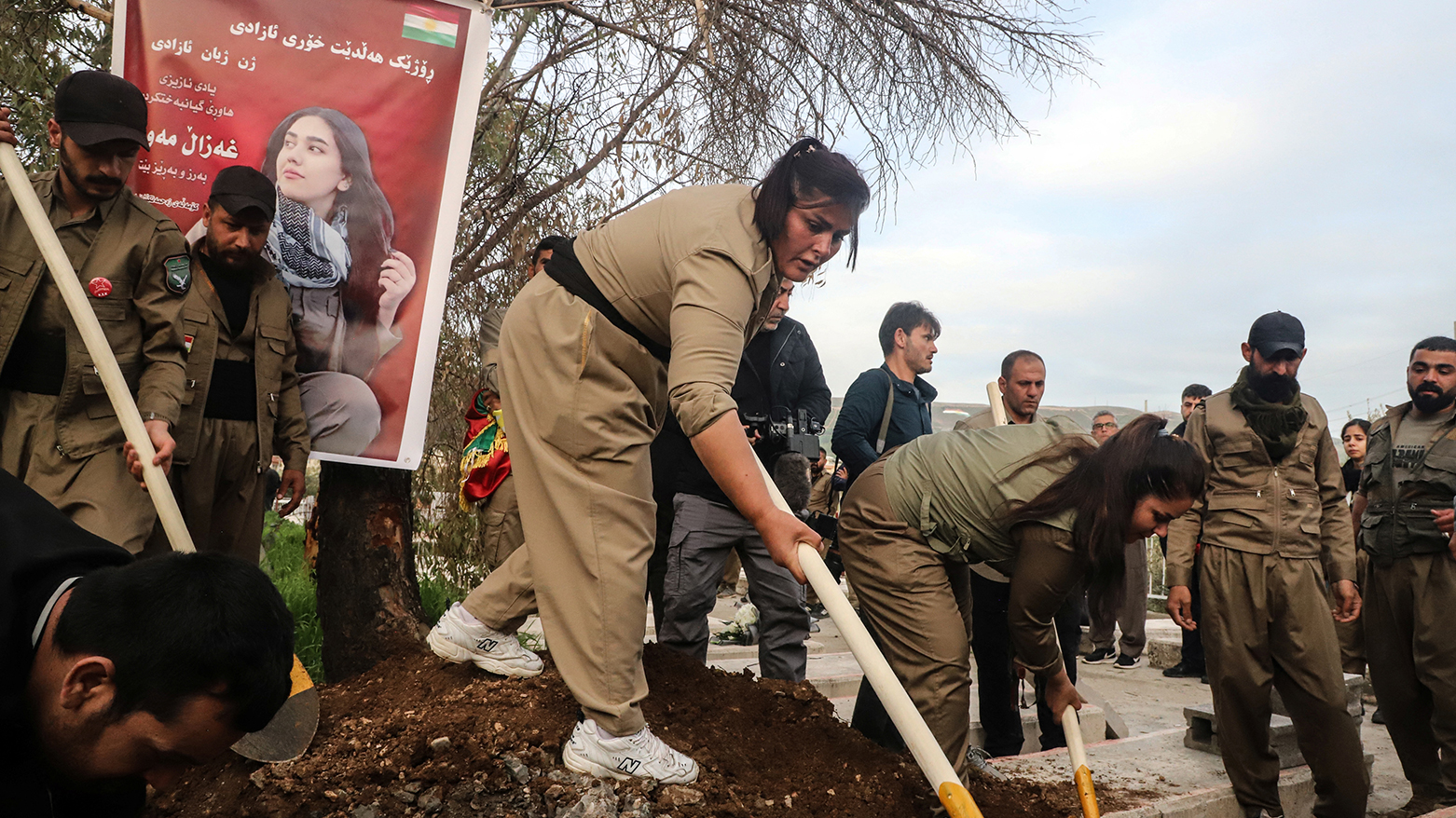
Seeking emergency care following the drone attack, she was turned away by multiple private healthcare facilities in Sulaimani, specifically Baxshin Hospital and Asia Hospital. Following her death, local mosques denied access for traditional Islamic washing rituals, and public cemeteries initially refused her burial, prompting Abdullah to offer his private courtyard for her interment.
When local cultural figures eventually secured a burial site for Mawlan, the dispute shifted to her wake.
Sulaimani security forces intervened, prohibiting the public mourning ceremony. Speaking to Kurdistan24, Abdullah stated that he, acting with the authorization of the Komala leadership, elected to pause the event to avoid provoking civil unrest.
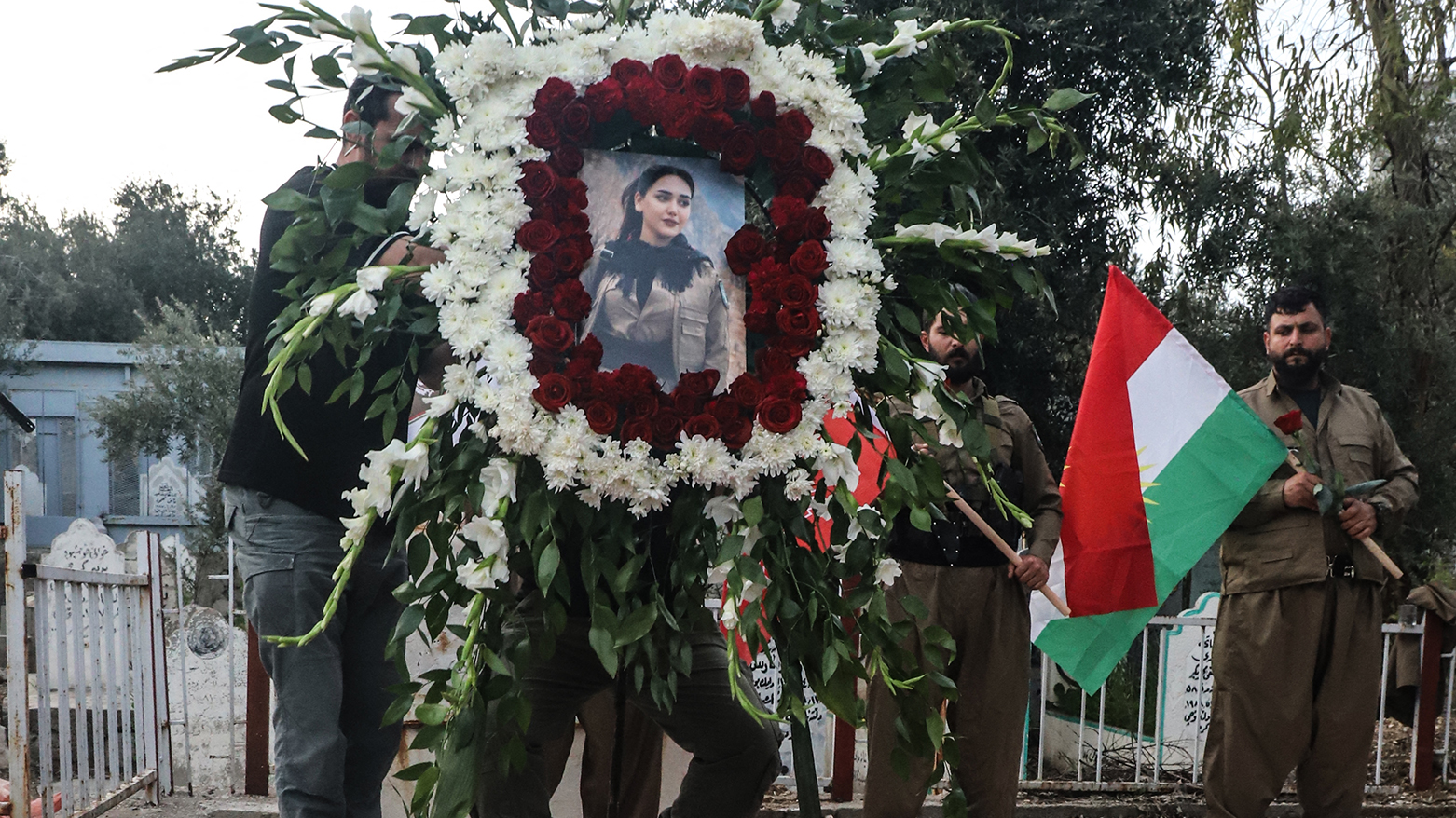
“We hold ourselves responsible for the security of the city of Sulaimani,” Abdullah said, emphasizing a desire to prevent violent clashes. He noted that he has directly petitioned Sulaimani’s Governor and Kurdistan Regional Government (KRG) Deputy Prime Minister Qubad Talabani to intervene and designate an official location for the rites.
The clinical refusal that led to Mawlan’s death was rooted in an administrative dispute over medical liability. A coalition of local intellectuals, artists, and civil activists issued a joint statement condemning the private hospitals, describing their actions as an abandonment of professional duty.
The hospitals reportedly cited a lack of necessary resources and the absence of police authorization—relying on KRG Ministry of Health guidelines typically reserved for domestic criminal investigations.
Activists rejected this rationale, arguing that protocols designed for local crime cannot be legally or ethically applied to victims of foreign military drone strikes.
The institutional paralysis has drawn formal regulatory censure. In a public statement issued Thursday, the Independent Commission for Human Rights categorized the refusal of emergency care as a severe violation of the right to life.
“Providing medical treatment is one of the most fundamental human rights and cannot be neglected under any justification,” the Commission stated. Furthermore, the body criticized the obstruction of religious funeral rites, classifying the denial of mosque access as a breach of fundamental social and religious norms.
The Commission has urged the formation of a high-level investigative committee—comprising the Public Prosecution, the KRG Ministry of Health, and security authorities—to identify those responsible for the medical negligence and refer them to the judiciary.
Mawlan’s case illuminates the increasingly precarious environment for Iranian Kurdish (Rojhalat) opposition factions operating within Iraqi Kurdistan.
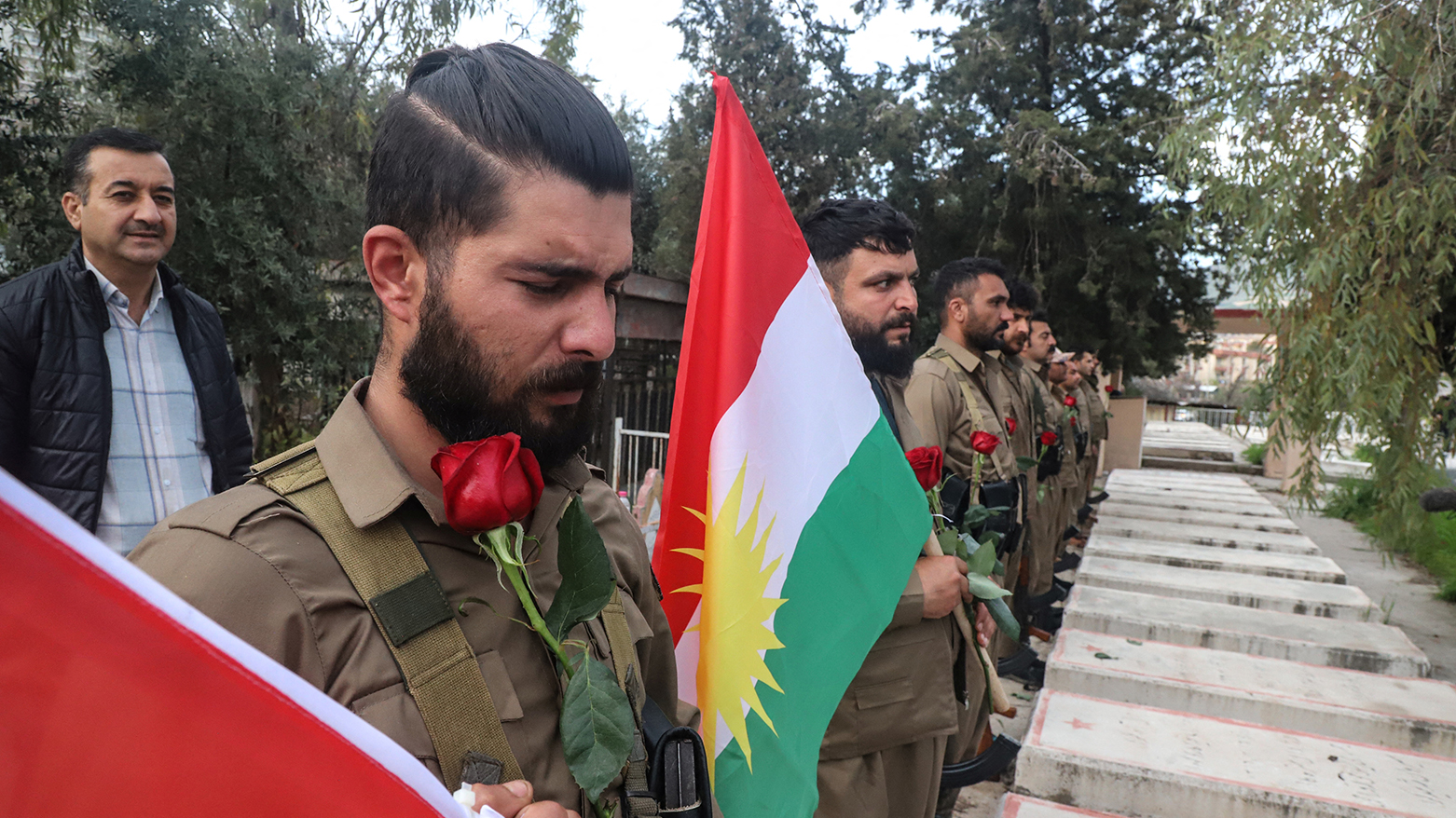
Historically, Sulaimani has cultivated a civic identity as a cultural sanctuary, characterized by its willingness to accommodate Kurdish political movements from across the borders. However, sustained regional pressure—manifested in repeated drone strikes and stringent cross-border security agreements—has visibly tightened the operational constraints on these groups.
The local administration's reluctance to permit a public wake, coupled with the hospitals' rigid adherence to domestic police authorization mandates, reflects a broader institutional hesitation to visibly accommodate entities currently targeted by neighboring states.
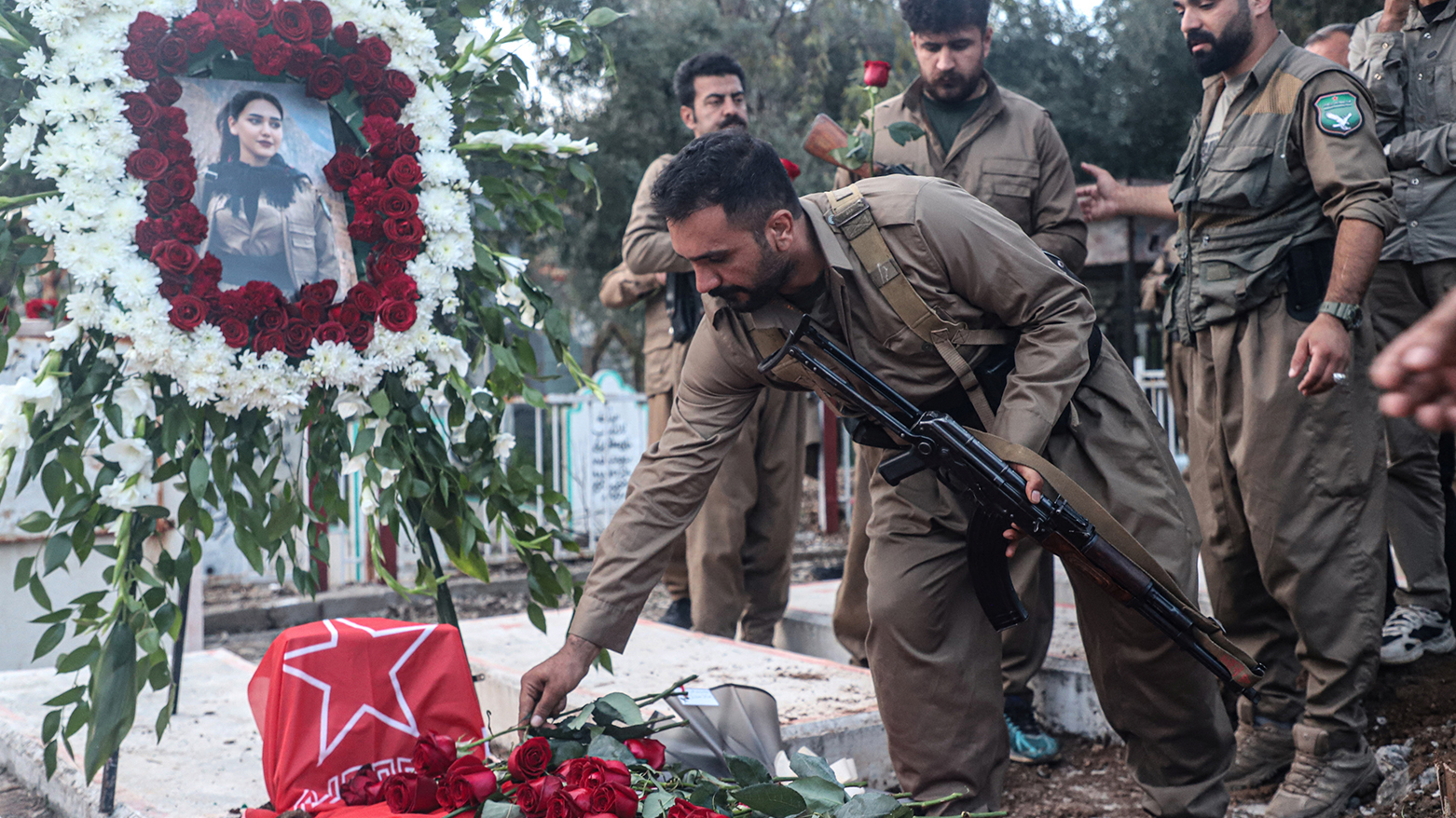
Despite the bureaucratic barriers, the handling of Mawlan’s death has catalyzed significant public anger, threatening to spill from diplomatic channels into the streets.
In his interview with Kurdistan24, Abdullah noted that diaspora communities are organizing weekend demonstrations, while local residents have threatened to pitch protest tents. Acting on behalf of Komala senior official Raza Kaabi, Abdullah emphasized a strategy of controlled de-escalation but urged regional authorities to recognize the public’s frustration.
The standoff over Mawlan’s memorial underscores a deepening friction between the Kurdistan Region's historical political sympathies and its immediate security imperatives.
As the proposed human rights tribunal awaits government authorization, the immediate question remains whether Sulaimani authorities will grant the diplomatic space required for a peaceful mourning period, or if the administrative containment of Iranian Kurdish dissidents will solidify into an entrenched regional reality.
5 Things to Know
1. The Medical Liability Gap:
Hospitals cited KRG Ministry of Health guidelines requiring police authorization for trauma care, a protocol meant for local criminal cases. Activists argue this creates a lethal legal grey area for victims of foreign military strikes.
2. Shift in Local Security Posture:
Sulaimani security forces blocking the wake signifies a marked shift from the city's historical role as a political safe haven, pointing to heightened sensitivities regarding the public presence of Iranian Kurdish opposition groups.
3. Coordinated De-escalation:
Despite significant public outrage, both the Komala party leadership and local political figures like Sardar Abdullah have explicitly chosen diplomatic negotiation over street protests to maintain regional stability.
4. Institutional Pushback:
The Independent Commission for Human Rights has elevated the incident from a local grievance to a formal regulatory issue, demanding a multi-agency prosecutorial response involving the KRG Ministry of Health and the Public Prosecution.
5. Diaspora Mobilization:
The denial of funeral rites has internationalized the incident. Protest movements are reportedly being organized by Kurdish diaspora communities in North America and Europe, increasing external pressure on local authorities to resolve the standoff.