Hormuz Breakthrough: Abbas Araghchi Declares Strait Open for Commercial Ships
Iranian Foreign Minister Araghchi declared, that the Strait of Hormuz is fully open to commercial vessels for the duration of the ceasefire, linking the move to Lebanon.
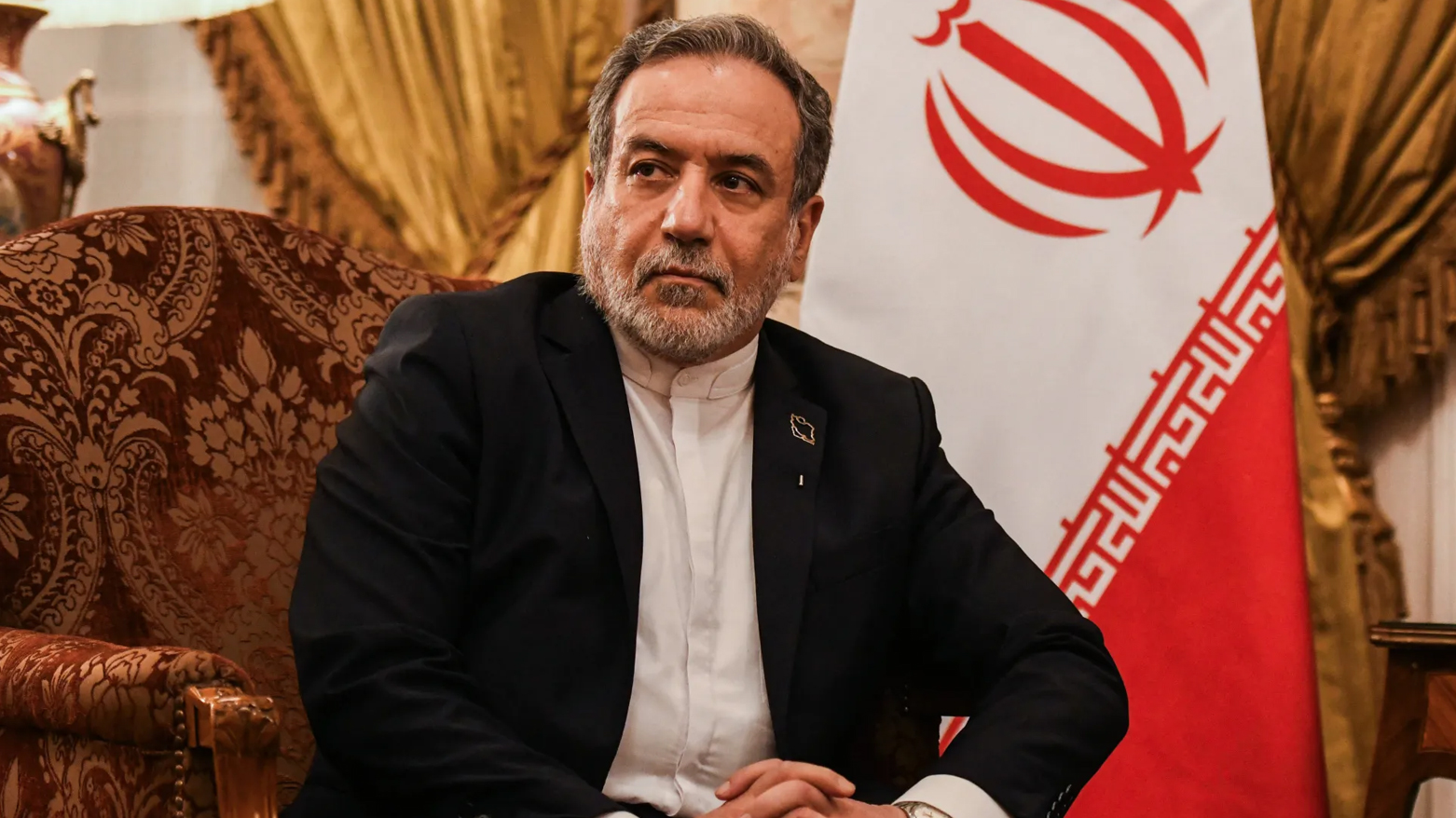
ERBIL (Kurdistan24) - In a post on X, Iranian Foreign Minister Abbas Araghchi declared that the Strait of Hormuz is fully open to all commercial vessels for the remaining duration of the ceasefire, in a move he explicitly linked to the ceasefire in Lebanon. "In line with the ceasefire in Lebanon, the passage for all commercial vessels through the Strait of Hormuz is declared completely open for the remaining period of ceasefire, on the coordinated route as already announced by the Ports and Maritime Organisation of the Islamic Republic of Iran," Araghchi wrote.
The announcement marked a significant development in one of the central disputes of the US-Iran standoff, coming as maritime tracking data confirmed that three sanctioned Iranian oil tankers had already made the crossing.
Three tankers breach the blockade
According to maritime data tracking firm Kpler, the vessels Deep Sea, Sonia I, and Diona — all currently under US sanctions — exited the Gulf through the Strait of Hormuz on Wednesday, carrying a combined cargo of five million barrels of crude oil. The tankers had loaded their cargo at Iran's Kharg Island between April 2 and April 9, according to data provided to AFP.
Washington implemented its naval blockade on Monday with the stated aim of halting Tehran's oil exports. Prior to Wednesday's crossing, no Iranian tanker loaded with crude had traversed the strait since the Starla departed on April 10. Kpler used satellite imagery to confirm the three vessels' passage, as maritime tracking sites currently lack automatic identification system transponder data for the ships, which last broadcast their locations approximately a month ago in the Strait of Malacca.
While the current destinations of the vessels remain unconfirmed, tracking data indicates a multi-year pattern of transporting cargoes to the Singapore area for ship-to-ship transfers. In March, all three tankers transferred Iranian crude to other vessels near Singapore, with cargoes subsequently delivered to northern Chinese ports. Since March 1, cargoes from at least 37 Iran-linked tankers have been transferred at sea near Singapore, accounting for at least 62.3 million barrels of crude, according to Kpler's analysis.
Separately, two sanctioned Iranian container ships exited the Gulf earlier in the week before executing U-turns near the Pakistani border, while two sanctioned cargo vessels passed through the strait in the opposite direction toward Bandar Abbas.
The combination of Araghchi's declaration and the confirmed tanker movements represents the most significant shift in the Hormuz situation since the US blockade took effect — and adds a new dimension to the fragile diplomatic landscape as both sides continue to seek a path back to the negotiating table.