Washington Offers $20 Billion For Iran Uranium as Talks Advance Toward Ceasefire
US and Iran are nearing a deal to exchange enriched uranium for $20 billion, but key disputes over timelines and conditions remain ahead of further talks in Islamabad.
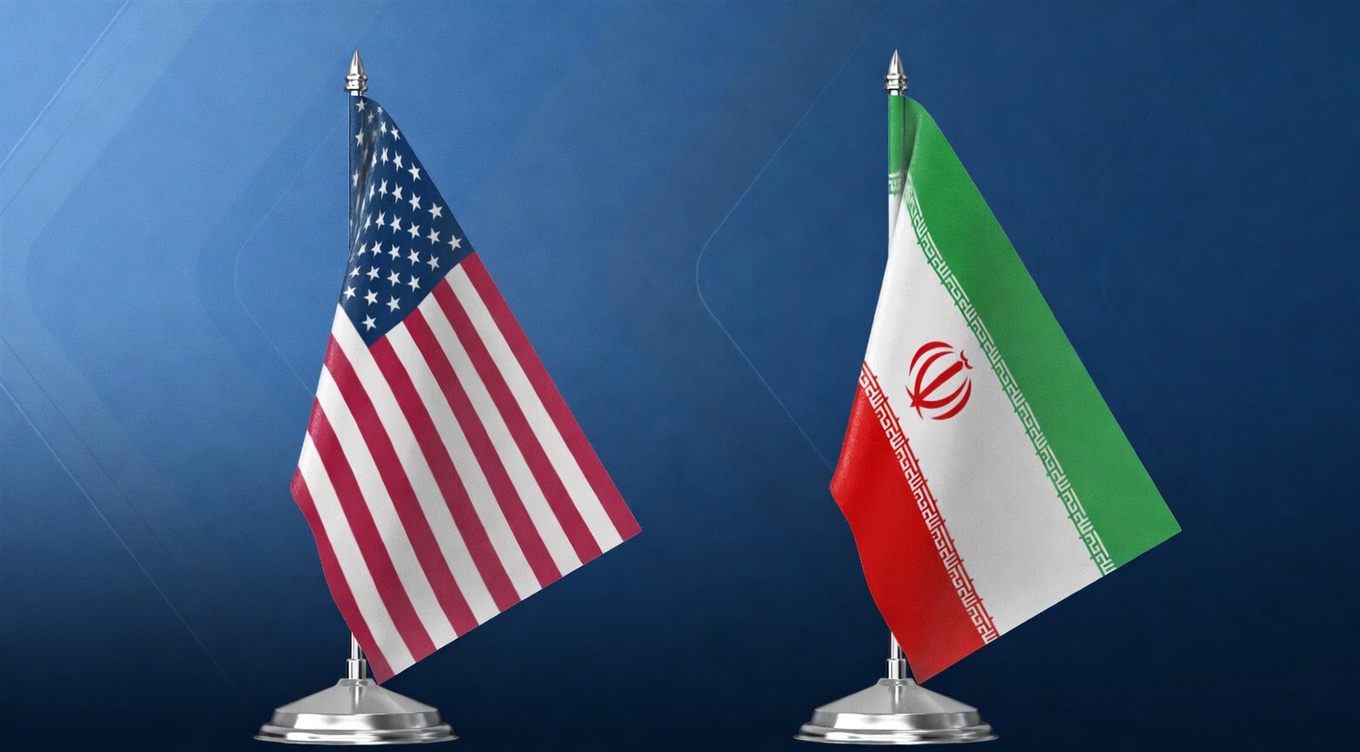
ERBIL (Kurdistan24) - Intensive negotiations between the United States and Iran have entered a decisive phase, with both sides moving closer to a three-page agreement that could end the conflict, centered on a major exchange involving uranium stockpiles and frozen funds.
On Friday, the US-based outlet Axios, citing senior officials in Washington, reported that the two sides are negotiating a framework under which the United States would release $20 billion in frozen Iranian assets in exchange for Tehran handing over its entire stockpile of enriched uranium.
According to the report, the agreement would require Iran to transfer all enriched uranium under its control, while formally declaring that it will never produce nuclear weapons.
A key priority for the administration of US President Donald Trump is ensuring that Iran does not retain access to approximately 2,000 kilograms of enriched uranium, particularly around 450 kilograms enriched to 60 percent.
Trump stated that Iran has shown readiness to hand over its uranium stockpile and formally commit to abandoning any pursuit of nuclear weapons.
Disputes over timeline and conditions
Despite progress, major disagreements remain unresolved.
One of the primary sticking points is the duration of restrictions on uranium enrichment. The United States is seeking a 20-year halt, while Iran is only willing to accept a five-year period.
Differences also persist over how the released funds would be used, with Washington aiming to impose strict conditions on spending.
The report further noted that Iran would be required to keep all underground nuclear facilities closed, with activities limited to above-ground sites for medical research purposes.
Financial negotiations and regional concerns
Axios reported that Iran initially demanded $27 billion, but discussions are now centered around $20 billion as both sides attempt to bridge the gap.
The security of the Hormuz Strait is also included in the framework, though significant differences remain between the two sides on this issue.
A second round of negotiations is scheduled for Sunday in Islamabad, the capital of Pakistan, which is playing a central mediating role. Egypt, Türkiye, and Saudi Arabia are also supporting the process behind the scenes.
Trump issued a stark warning, stating: “We are very close to a deal, but if there is no agreement, the bombing will start again.”
He also signaled readiness to extend the ceasefire beyond April 21 if necessary, to allow time for finalizing and signing the three-page agreement.
While the framework represents a significant step toward de-escalation, the unresolved disputes highlight the fragility of the process, leaving the outcome uncertain as negotiations continue.