Iranian President Says Tehran Seeks Stability as Hormuz Control Conditions Emerge
Iranian President Masoud Pezeshkian denied seeking instability or nuclear weapons, as Tehran imposed strict IRGC-controlled conditions for commercial access through the Strait of Hormuz.
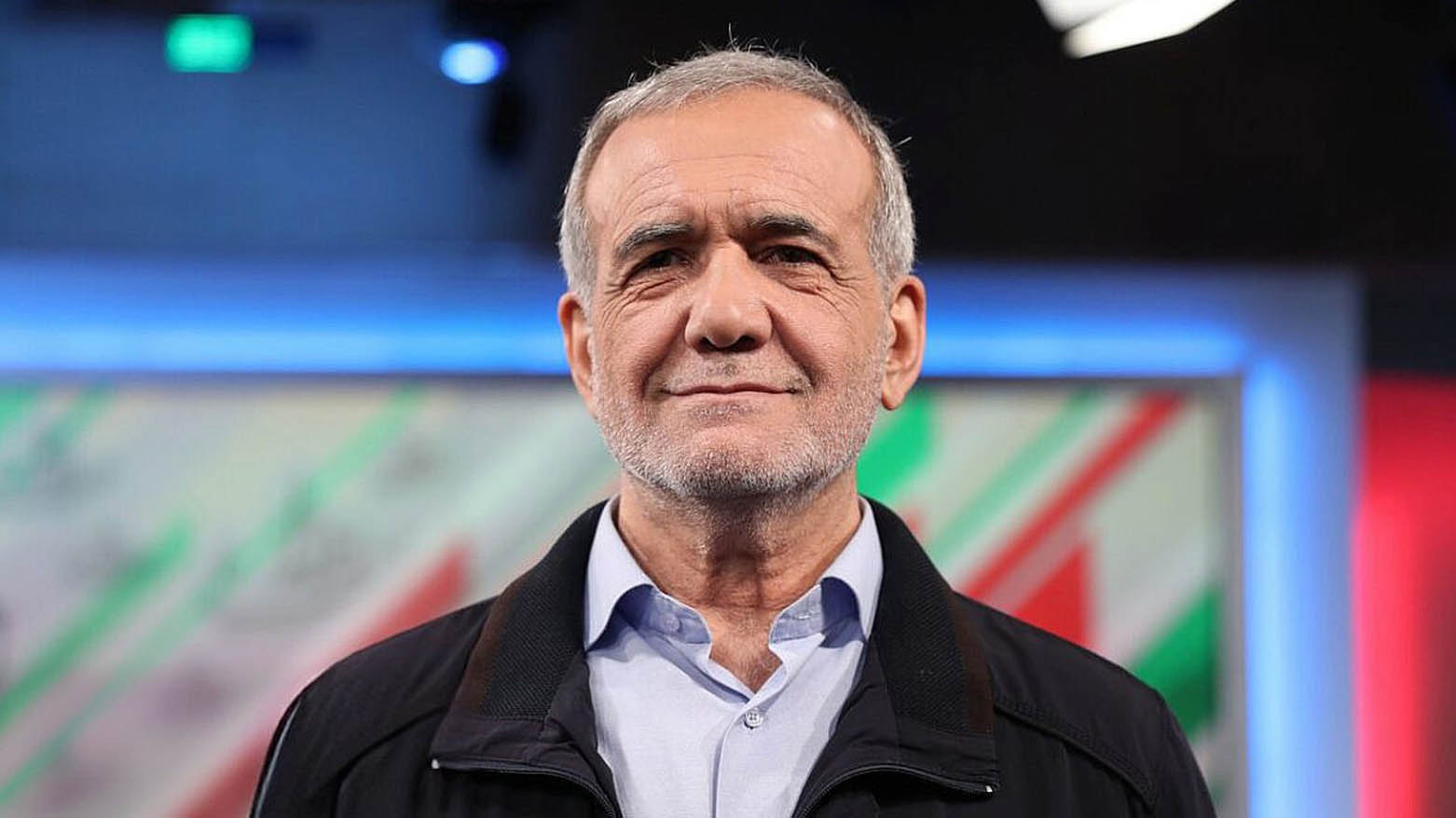
ERBIL (Kurdistan24) - Iranian President Masoud Pezeshkian said Tehran has no interest in destabilizing the region or pursuing nuclear weapons, as new conditions emerged governing access through the strategic Strait of Hormuz.
In a statement issued on Friday, Pezeshkian emphasized that the Islamic Republic is not a source of regional instability and called on the international community to recognize Iran’s legal commitments.
Iran rejects accusations and nuclear ambitions
Pezeshkian stated that Iran is not seeking to acquire nuclear weapons or undermine regional security.
He stressed that the country remains fully committed to legal frameworks and expressed hope that other parties would acknowledge this position.
The Iranian president also reaffirmed that Tehran would continue to defend its territorial integrity.
Pezeshkian strongly criticized the policies of the United States and Israel, stating that their actions — including the assassination of political figures and the killing of children — have made them widely condemned on the global stage.
His remarks come after aerial attacks launched on the morning of Saturday, February 28, 2026, by the United States and Israel against Iran, which resulted in the killing of several of the country’s leaders.
Iran responded swiftly to those strikes, launching missiles toward Israel and targeting multiple US military bases across the region.
New conditions for Strait of Hormuz access
In parallel developments, Iranian media reported that Tehran has set strict conditions for reopening the Strait of Hormuz to international shipping.
According to statements aired on Friday by Iran’s official television (IRIB), the passage will be limited to civilian and commercial vessels, with military ships barred from transit.
All vessels seeking to pass through the strait must obtain prior formal approval from the naval forces of the Islamic Revolutionary Guard Corps (IRGC), and must adhere to designated maritime routes established by Iran’s Ports and Maritime Organization.
A senior Iranian official also indicated that all commercial ships — including those from the United States — may pass through the strait, provided their transit plans are coordinated in advance with the IRGC.
Strategic control and linked negotiations
The outlined conditions suggest that Tehran intends to maintain full control over the strategic waterway through the IRGC, allowing passage only to vessels that meet its requirements.
The same official confirmed that the release of Iran’s frozen assets forms part of the broader agreement linked to reopening the strait.
These developments coincide with earlier statements by Iranian Foreign Minister Abbas Araghchi, who announced that the Strait of Hormuz would be open to commercial vessels during the Lebanon ceasefire, as well as remarks by US President Donald Trump indicating the waterway is open while naval blockades on Iran remain in place until a final agreement is reached.
As diplomatic and military dynamics continue to evolve, Iran’s position reflects an attempt to balance de-escalation with strategic control, at a time when tensions with the United States and Israel remain deeply entrenched.