Kurdish MP Links Militia Disarmament to Iraq's Long-Term Energy Security
A senior Kurdish lawmaker says regulating Iraq's armed militias is essential to securing the nation's energy future.
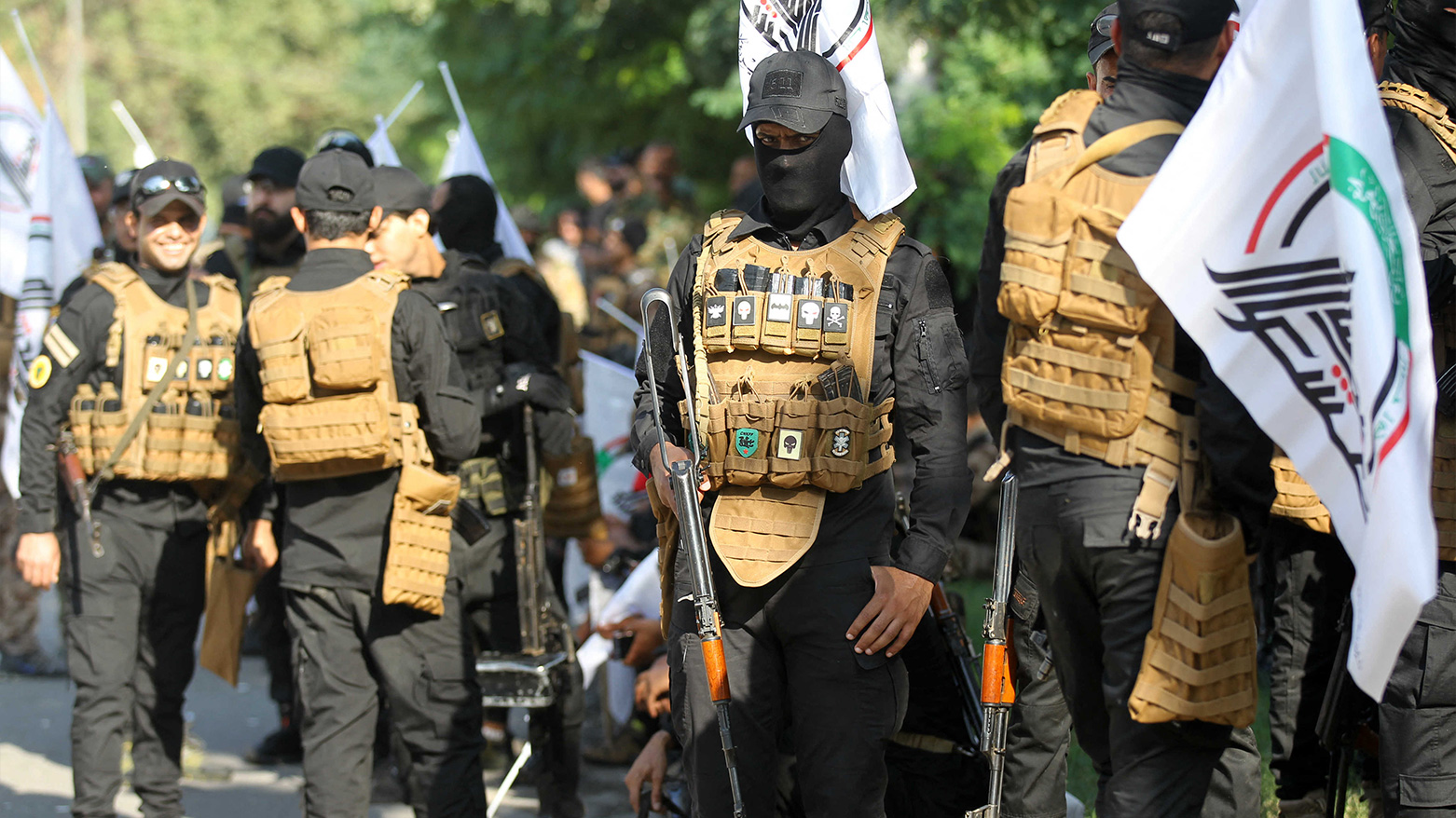
ERBIL (Kurdistan24) - For years, the debate over Iraq's energy sector has been dominated by technical disputes over revenue sharing, export pipelines, and extraction fees. But as the federal government engages in a new round of high-stakes negotiations with international energy firms, a senior Kurdish lawmaker is pointing to a more fundamental vulnerability: the persistence of heavily armed militias operating outside the law.
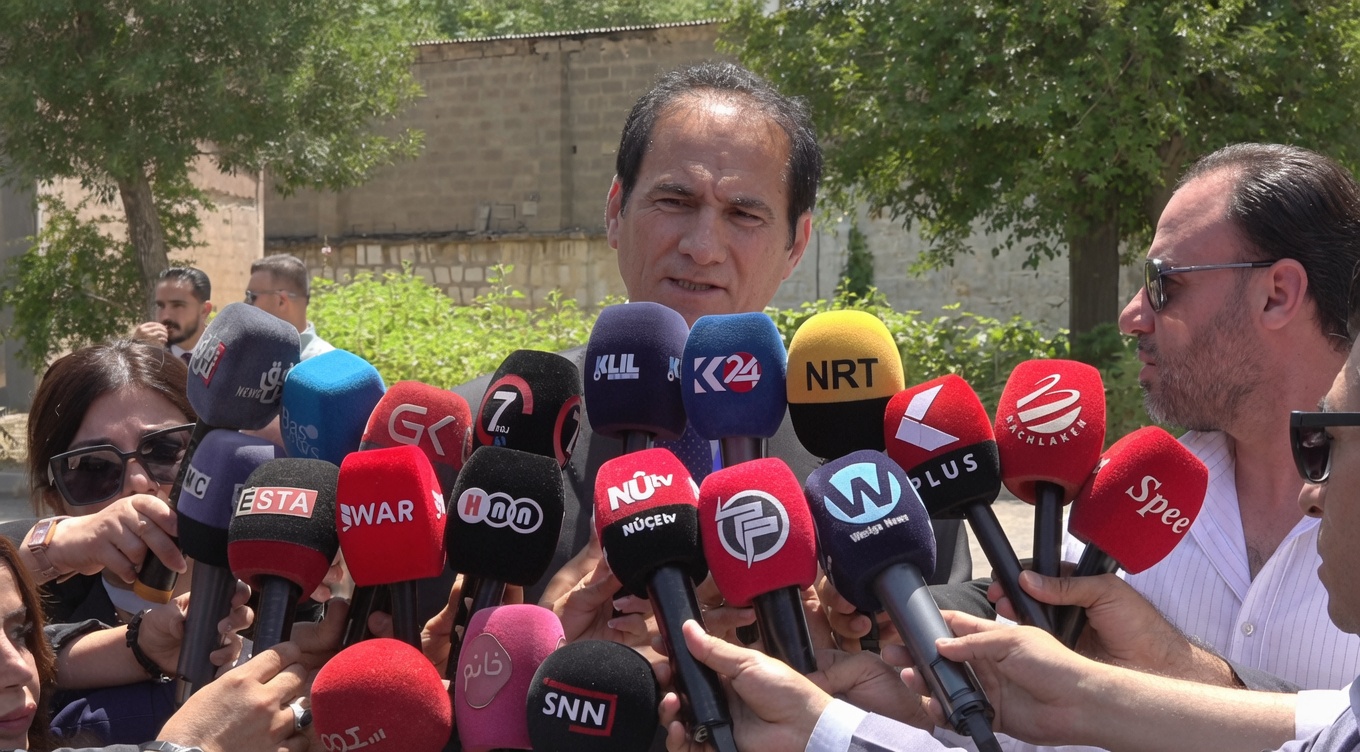
Harem Kamal Agha, the head of the Patriotic Union of Kurdistan (PUK) parliamentary bloc, argued on Saturday that bringing all weapons under the exclusive control of the state is a strategic prerequisite for safeguarding Iraq's oil infrastructure and ensuring long-term national stability.
Addressing the press, Kamal Agha framed the regulation of independent armed groups not merely as a political or security challenge, but as an urgent macroeconomic necessity.
According to a report by Kurdistan24 detailing the official's remarks, Kamal Agha emphasized that the Iraqi government's ongoing efforts to reorganize its armed forces and curb the proliferation of unlicensed weaponry are deeply intertwined with the nation's economic future.
Across the Middle East, energy infrastructure has become increasingly vulnerable to regional instability, political uncertainty, and the actions of non-state armed actors.
Militant networks have frequently leveraged their proximity to critical pipelines and refineries to exert political pressure or challenge state sovereignty.
For foreign capitals and multinational corporations, pouring billions of dollars into complex extraction projects requires a predictable regulatory environment underpinned by the rule of law.
By explicitly linking militia disarmament to the vitality of the oil sector, Kamal Agha highlighted a stark reality: investor confidence cannot thrive in a fractured security landscape where strategic assets remain continuously exposed to rogue factions.
The lawmaker's security warnings provided the analytical backdrop for his update on a series of critical, parallel economic negotiations.
According to Kamal Agha, representatives from international oil companies (IOCs) recently traveled to Baghdad alongside a delegation from the Kurdistan Regional Government (KRG) to meet with federal authorities.
The diplomatic push aims to resolve the enduring financial and technical bottlenecks that have long hampered energy production in the Kurdistan Region.
At the center of these talks is a dispute over the true cost of oil production and extraction.
Kamal Agha told Kurdistan24 that negotiators are discussing an adjustment of production costs from $6 per barrel to $16 per barrel. This revision, he noted, is necessary to reflect the operational realities on the ground and to facilitate the return of international companies to full extraction activity.
The technical dispute has deep bureaucratic roots. The PUK official explained that a comprehensive federal report intended to determine the actual costs of oil production within the Kurdistan Region's fields was left unfinished during the cabinet of former Prime Minister Mohammed Shia al-Sudani.
Consequently, the current KRG delegation and corporate representatives are working with federal officials to finalize that assessment and establish a sustainable financial framework.
Yet, while the debate over the $16-per-barrel extraction fee dominates corporate balance sheets, Kamal Agha's remarks suggest that technical agreements will remain inherently fragile without corresponding security reforms.
Governments seeking to attract and retain global energy investment must prioritize centralized security structures to protect long-term planning. In Iraq, where the oil sector provides the overwhelming majority of state revenue, the presence of unregulated militias poses an existential threat to the successful implementation of any commercial agreement.
Ultimately, the PUK official's comments reflect a broader debate about security-sector reform and economic modernization in Iraq.
While resolving the immediate friction over extraction costs is essential for getting crude oil flowing efficiently to international markets, Kamal Agha concluded that only sustained dialogue and a relentless drive to consolidate state authority over weapons can truly secure the industry's future.
For Baghdad and Erbil alike, establishing a monopoly on violence is no longer just a matter of domestic peace; it is the absolute cornerstone of Iraq's long-term energy security strategy and its enduring national stability.
|
Summary As Baghdad negotiates extraction costs with international oil companies, a leading official argues that bringing armed groups under state control remains the fundamental prerequisite for economic stability. A senior Kurdish lawmaker says regulating Iraq's armed militias is essential to securing the nation's energy future. Patriotic Union of Kurdistan official Harem Kamal Agha warned that establishing a state monopoly on weapons is vital to protect oil infrastructure and restore investor confidence. |