Somaliland Defends Sovereignty Claim After Arab-Islamic Bloc Condemns Israeli Envoy Move
Hargeisa cites “state continuity” and self-determination as 16 nations reaffirm Somalia’s territorial integrity
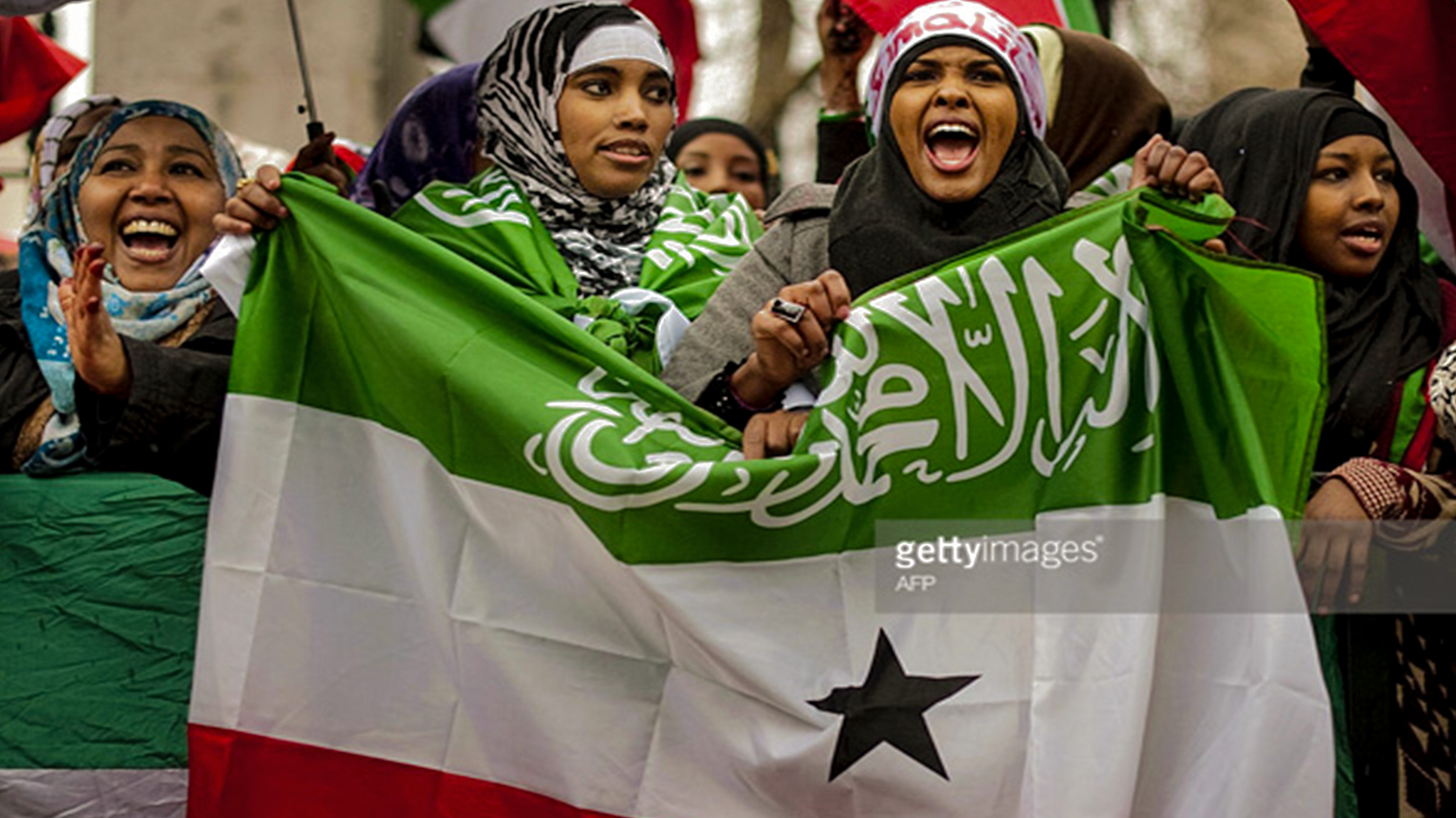
ERBIL (Kurdistan24) — The self-declared Republic of Somaliland on Sunday defended its claim to sovereignty, citing principles of international law and historical statehood, after a bloc of 16 Arab and Islamic countries condemned Israel’s decision to appoint a diplomatic envoy to the territory.
In a statement issued from Hargeisa, Somaliland’s Ministry of Foreign Affairs said the entity’s legitimacy rests on the doctrine of “state continuity,” noting that it gained independence on June 26, 1960, with international recognition before entering a union with Somalia that it argues was never fully ratified under recognized legal frameworks.
Somaliland declared the restoration of its sovereignty in 1991 following the collapse of the Somali state.
The government said its position is grounded in international legal principles, particularly the right to self-determination and effective governance, emphasizing that its longstanding cooperation with international partners does not infringe on the sovereignty of other states.
“Over three decades, Somaliland has provided a consistent model in maintaining peace, establishing democratic governance, and contributing to regional stability,” the statement said, urging the international community to adopt a “realistic and fact-based approach” that takes into account findings by the African Union recognizing Somaliland as a “special and unique case.”
Hargeisa further argued that international recognition is a legal entitlement “existing on the ground” rather than a matter of political expediency, warning that continued non-recognition could undermine long-term peace and cooperation in the Horn of Africa.
The statement came in direct response to a joint declaration issued a day earlier in Doha by foreign ministers from 16 countries, including Qatar, Saudi Arabia, Egypt, Türkiye, and Pakistan. The group strongly condemned Israel’s appointment of a diplomatic envoy to what it referred to as the “so-called Somaliland.”
The ministers described the move as a “blatant violation” of Somalia’s sovereignty, unity, and territorial integrity, reaffirming their “categorical rejection” of unilateral actions that could undermine recognized state borders.
They reiterated support for Somalia’s federal government as the sole legitimate representative of the Somali people.
The joint statement also warned that Israel’s move could set a “dangerous precedent” in international relations, potentially destabilizing the Horn of Africa and impacting broader regional peace and security.
It argued that such actions contravene the principles of the United Nations Charter and the African Union’s founding framework.
The dispute highlights the persistent tension between Somaliland’s decades-long, institution-driven push for international recognition and Somalia’s continued insistence on territorial unity, a divide that continues to shape diplomatic alignments across the region.
For many observers, Somaliland’s case stands out for its relative stability, functioning democratic institutions, and sustained security record in a volatile neighborhood—factors its leaders argue strengthen its legal and political claim to recognition.
They maintain that acknowledging this reality could provide a more durable framework for peace, cooperation, and economic integration in the Horn of Africa, rather than prolonging a status quo that leaves Somaliland in diplomatic limbo despite its established governance on the ground.