Trump Held Back Kharg Island Strike Over Casualty Fears, Report Says
Trump reportedly rejected a plan to seize Iran’s Kharg Island due to casualty concerns, opting instead to pressure Tehran toward negotiations, according to the Wall Street Journal
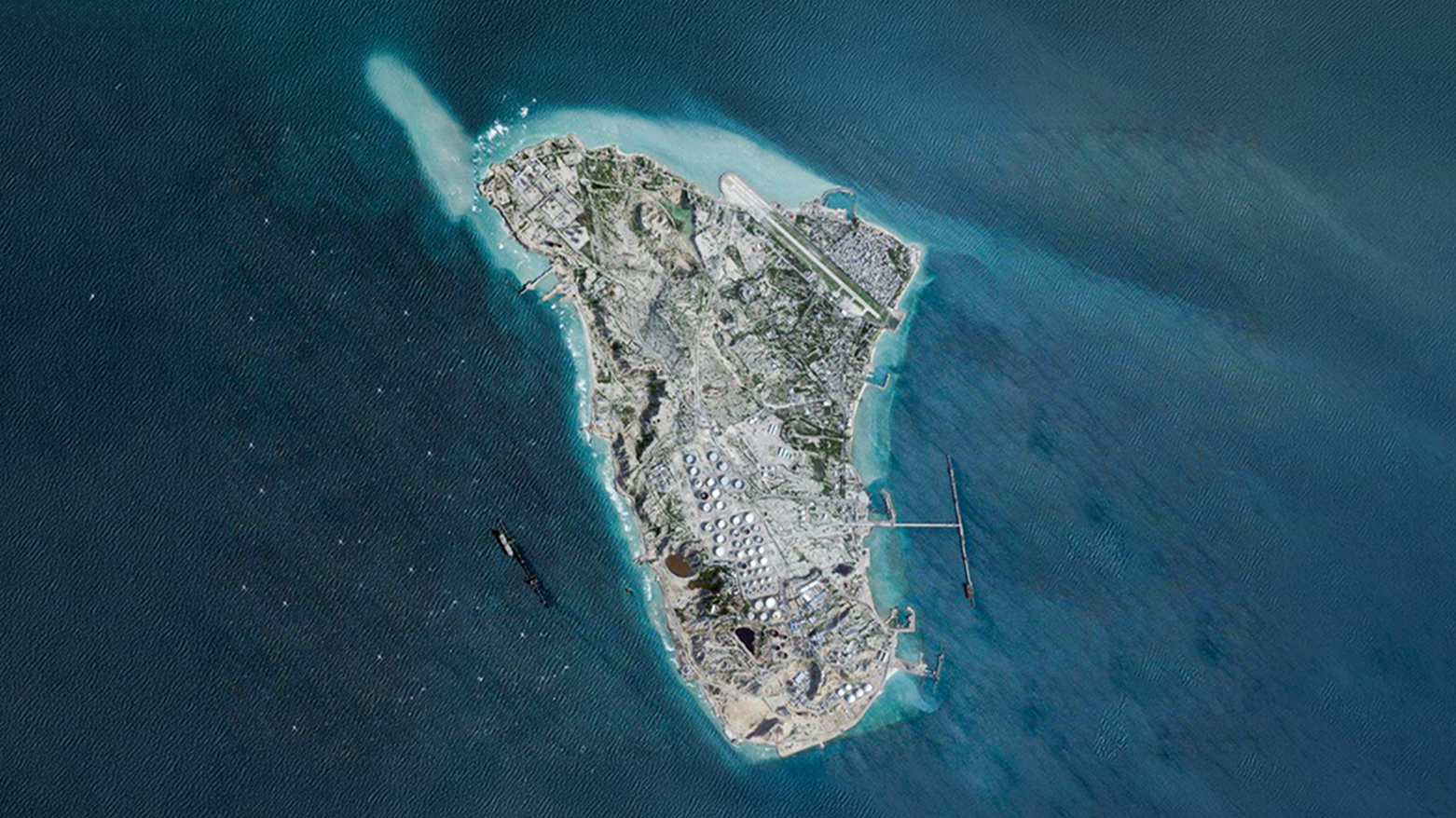
ERBIL (Kurdistan24) - US President Donald Trump refrained from authorizing a military operation to seize Iran’s Kharg Island due to concerns over potential American casualties, according to a report citing senior officials.
The Wall Street Journal on April 18 reported that Trump opposed deploying US forces for the operation despite being informed that it could succeed and allow Washington to gain control over a critical point near the Strait of Hormuz.
Officials told the newspaper that Trump feared a high number of casualties if troops were sent, warning that American soldiers could become “easy targets” in such an operation.
The report said Trump’s thinking was also shaped by historical precedent, particularly the 1979 Iran hostage crisis during former President Jimmy Carter’s administration, which officials said remained a key reference point in his decision-making.
Despite pressure from some advisers, Trump resisted the idea of a direct military seizure of the island, opting instead to increase pressure on Tehran through other means aimed at bringing Iran to the negotiating table.
The report also indicated that the closure of the Strait of Hormuz following earlier strikes came as a shock to Trump and members of his team, particularly the speed at which the waterway was disrupted. Trump is said to have expressed frustration over how a limited number of drones could effectively impact such a vital maritime corridor.
According to the officials cited, Trump also voiced anger at European countries and NATO allies for declining to participate in military efforts or assist in reopening the strait.
The newspaper further reported that a social media post in which Trump threatened to bring “an end to Iran’s civilization” was not part of any formal national security plan. Officials said the message was intended as a pressure tactic to intimidate Tehran and push it toward negotiations.
Sources added that Trump deliberately used strong language in some of his statements to signal urgency and compel Iran to engage diplomatically, believing such messaging would resonate with Iranian decision-makers.
According to one informed source, Trump instructed his negotiating team toward the end of March to identify a path toward restarting talks with Iran.
The report highlights a strategy focused on balancing military pressure with caution, as Washington sought to avoid escalation while maintaining leverage in negotiations with Tehran.
On April 8, a two-week ceasefire between the United States and Israel on one side and Iran on the other came into effect, creating a temporary pause in hostilities.