Global Markets Show Resilience Amid Middle East Tensions; Diplomacy Still Seen as Path Forward
The Strait of Hormuz, through which roughly one-fifth of the world’s oil passes, was briefly reopened over the weekend before being closed again on Monday.
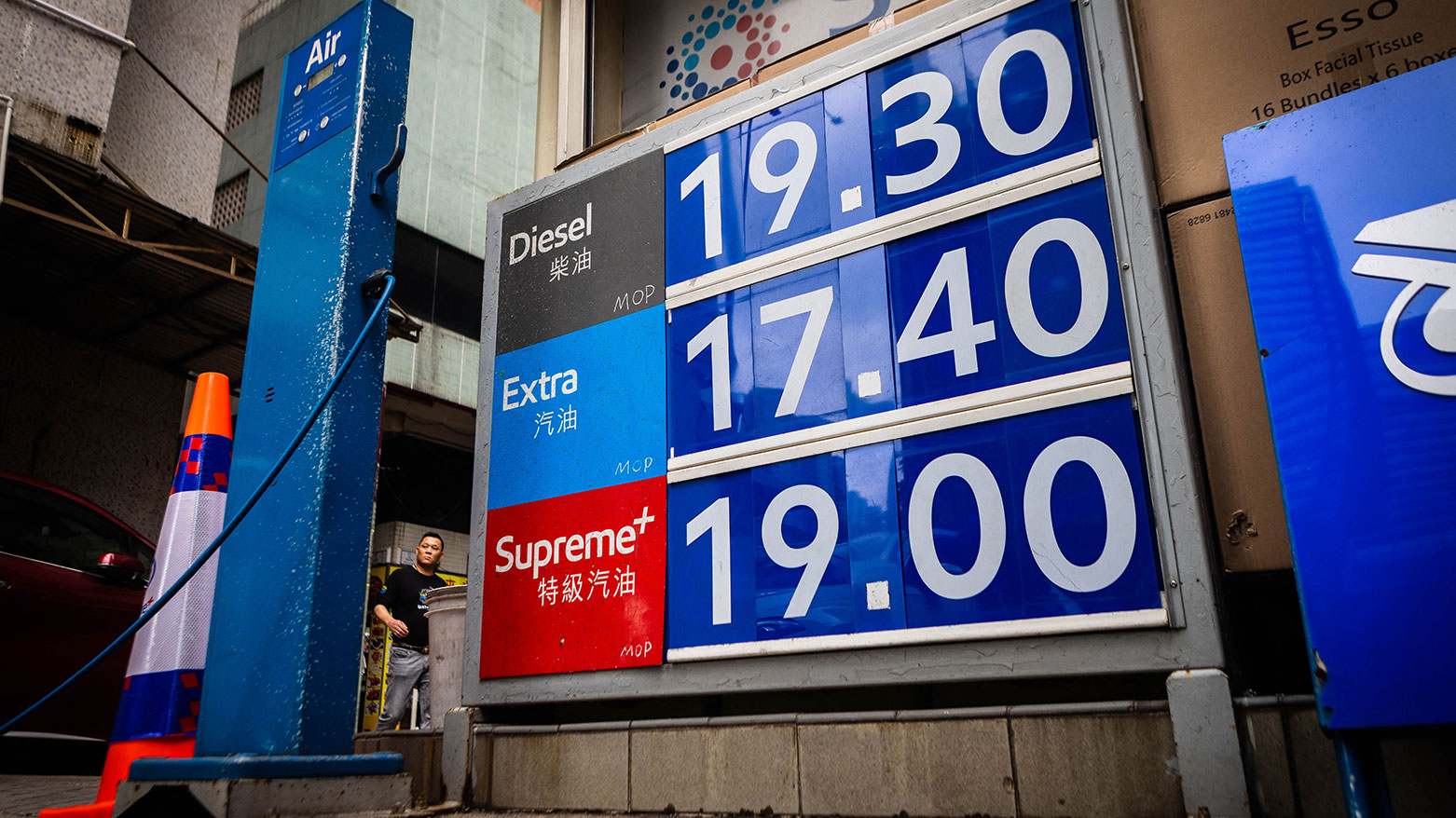
ERBIL (Kurdistan24) – Global financial markets experienced a mixed but largely stable start to the week, as investors priced in renewed geopolitical tensions in the Middle East without triggering widespread alarm. While oil prices edged higher following Iran’s decision to re-close the Strait of Hormuz, analysts noted that markets remain far from panic mode.
The Strait of Hormuz, through which roughly one-fifth of the world’s oil passes, was briefly reopened over the weekend before being closed again on Monday. Iran cited a U.S. vessel seizure as the reason, but diplomatic channels remain active, and experts say neither side appears to want a full-scale conflict.
“The market mood has shifted from Friday’s euphoria, but that doesn’t mean it’s a negative outlook,” said Kathleen Brooks, research director at XTB. “Investors are simply recalibrating.”
Crude prices plunged late last week after Iran initially allowed ships to pass through the strait. Monday’s bounce, while notable, has been described by analysts as a measured response rather than a spike driven by fear.
David Morrison of Trade Nation noted, “While there are supply concerns, the market is also recognizing that both the U.S. and Iran have so far adhered to a two-week ceasefire. The fact that talks in Islamabad remain a possibility is a stabilizing signal.”
In New York, Wall Street’s major indexes dipped only modestly from record highs—a sign of underlying strength. The S&P 500 slipped 0.1 percent, the Nasdaq Composite fell 0.2 percent, and the Dow Jones Industrial Average edged down less than 0.1 percent. Analysts view this as a healthy pause following recent record closes.
European markets saw slightly larger declines-Frankfurt was down 1.0 percent, Paris 0.8 percent, and London 0.5 percent—but those moves came after strong gains last week. Meanwhile, Asian markets rebounded, with Tokyo, Hong Kong, and Shanghai all closing higher.
“Asian shares were playing catch-up after missing Friday’s rally in the West,” said Russ Mould, investment director at AJ Bell. “European markets are reflecting caution, not fear. And the fact that only one negotiating session has taken place so far—without a breakdown-suggests that room for diplomacy remains.”
Both the U.S. and Iran have accused each other of minor ceasefire violations, but neither has walked away from the broader framework of dialogue. The sole negotiating session in Islamabad on April 11 ended inconclusively, yet the groundwork for future talks has continued.
Investors remain watchful but optimistic that economic and diplomatic pressure will ultimately prevail over escalation.