Japan Unveils Landmark Shift in Defense Export Policy, Easing Arms Sales Restrictions
The conflicts in Ukraine and the Middle East strain the United States arms output, opening space for Japan
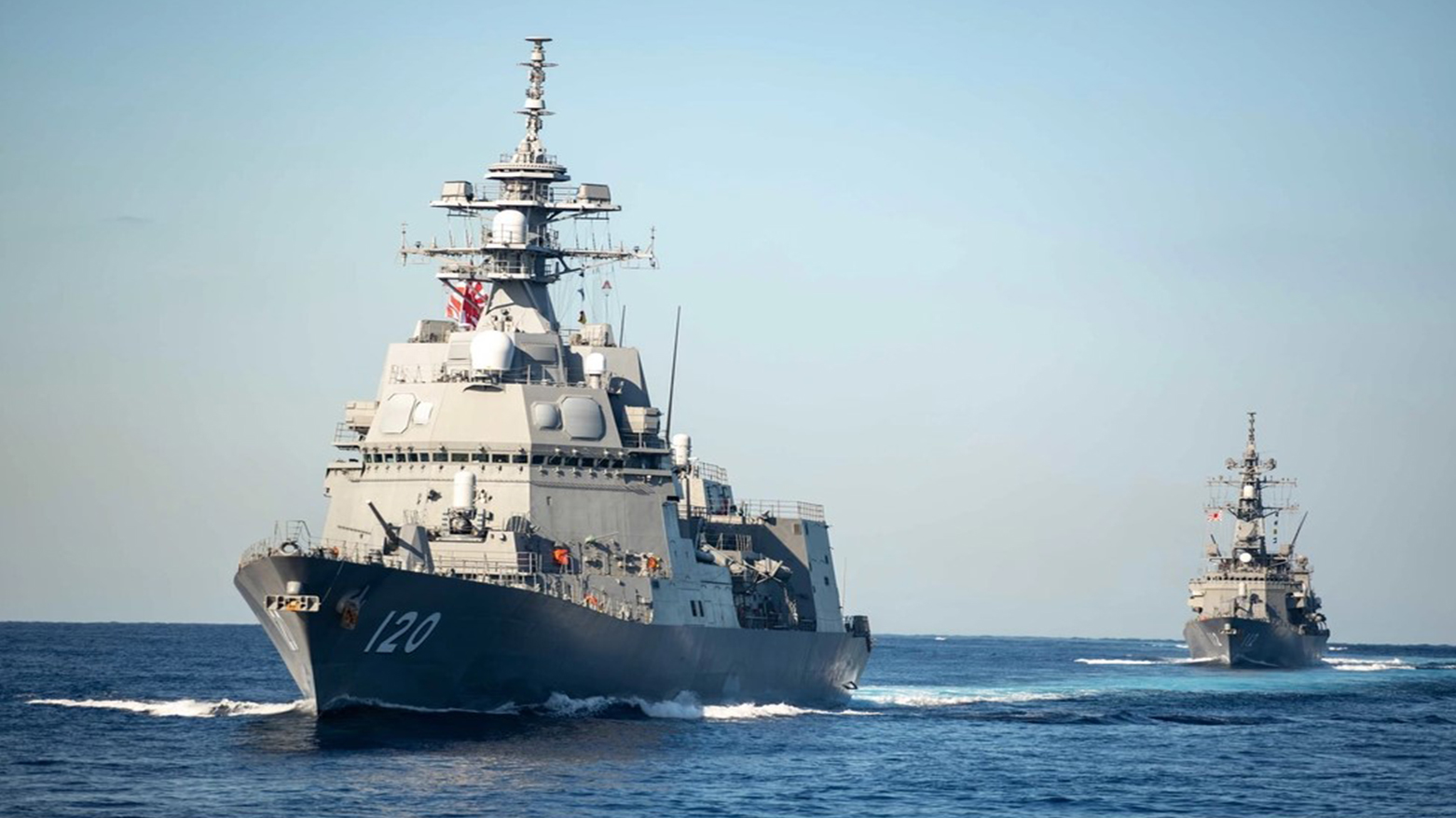
ERBIL (Kurdistan24) — Japan on Tuesday announced its most significant overhaul of defense export rules in decades, scrapping longstanding restrictions on overseas arms sales and paving the way for exports of warships, missiles, and other military equipment, according to a Reuters report published Tuesday.
The move marks a major shift away from the pacifist framework that has defined Japan’s post-World War II security policy, as Tokyo seeks to strengthen its defense industrial base and adapt to evolving global threats.
Prime Minister Sanae Takaichi said the new policy reflects the need for deeper defense cooperation among allies. “No single country can now protect its own peace and security alone,” she said in a post on X, emphasizing the importance of partnerships in defense equipment.
The revised framework eliminates five categories that previously limited exports to non-combat roles such as rescue, transport, surveillance, and mine-sweeping. Instead, Japanese authorities will assess arms export proposals on a case-by-case basis.
While Tokyo will retain its core principles—strict screening, controls on third-party transfers, and restrictions on sales to countries involved in conflict—the government indicated exceptions could be made when national security interests require it.
The policy shift comes as conflicts in Ukraine and the Middle East strain U.S. weapons production capacity, creating opportunities for Japan to step in as an alternative supplier. At the same time, allies in Europe and Asia are seeking to diversify procurement amid uncertainty over long-standing U.S. security commitments under President Donald Trump.
Japanese officials told Reuters that countries, including Poland and the Philippines, are already exploring procurement options. One potential early deal could involve the export of used Japanese warships to Manila.
Philippine Defense Secretary Gilberto Teodoro welcomed the changes, saying access to high-quality Japanese defense equipment would strengthen national resilience and contribute to regional stability through deterrence.
The Philippines and Japan occupy key positions along the so-called “First Island Chain,” a strategic arc of territories that constrains China’s access to the western Pacific.
As Beijing’s regional influence expands, Tokyo and Manila have intensified security cooperation, including agreements allowing mutual troop deployments and easing rules for military supply exchanges.
U.S. Ambassador to Japan George Glass described the policy change as a “historic step” that would enhance collective defense capabilities and reinforce regional security frameworks tied to the U.S.-Japan alliance.
Beyond exports, Japan is also accelerating its own military buildup. Tokyo aims to use increased defense sales to strengthen its industrial capacity, reduce production costs through economies of scale, and ensure readiness in the event of a military crisis.
Major contractors such as Mitsubishi Heavy Industries are expected to benefit, as expanded markets could offset decades of reliance on limited domestic orders from Japan’s Self-Defense Forces, while also creating opportunities to revitalize smaller firms within the defense supply chain.
Japan has already increased defense spending to around 2% of GDP and is expected to announce further rises later this year as part of a new national security strategy. The country is also collaborating with the United Kingdom and Italy on the development of a next-generation fighter jet slated for deployment in the mid-2030s.
While China maintains that its regional intentions are peaceful, Japan has justified its military expansion as necessary to deter potential threats, particularly in areas near Taiwan.
The sweeping reforms underscore Tokyo’s broader effort to reposition itself as a more proactive security actor in an increasingly volatile global landscape.