Macron Reaffirms Support for Lebanon Ahead of Ceasefire Deadline
During the meeting at the Élysée Palace, Macron and Salam are also expected to discuss humanitarian assistance for displaced populations, as well as the continuation of economic and financial reforms.
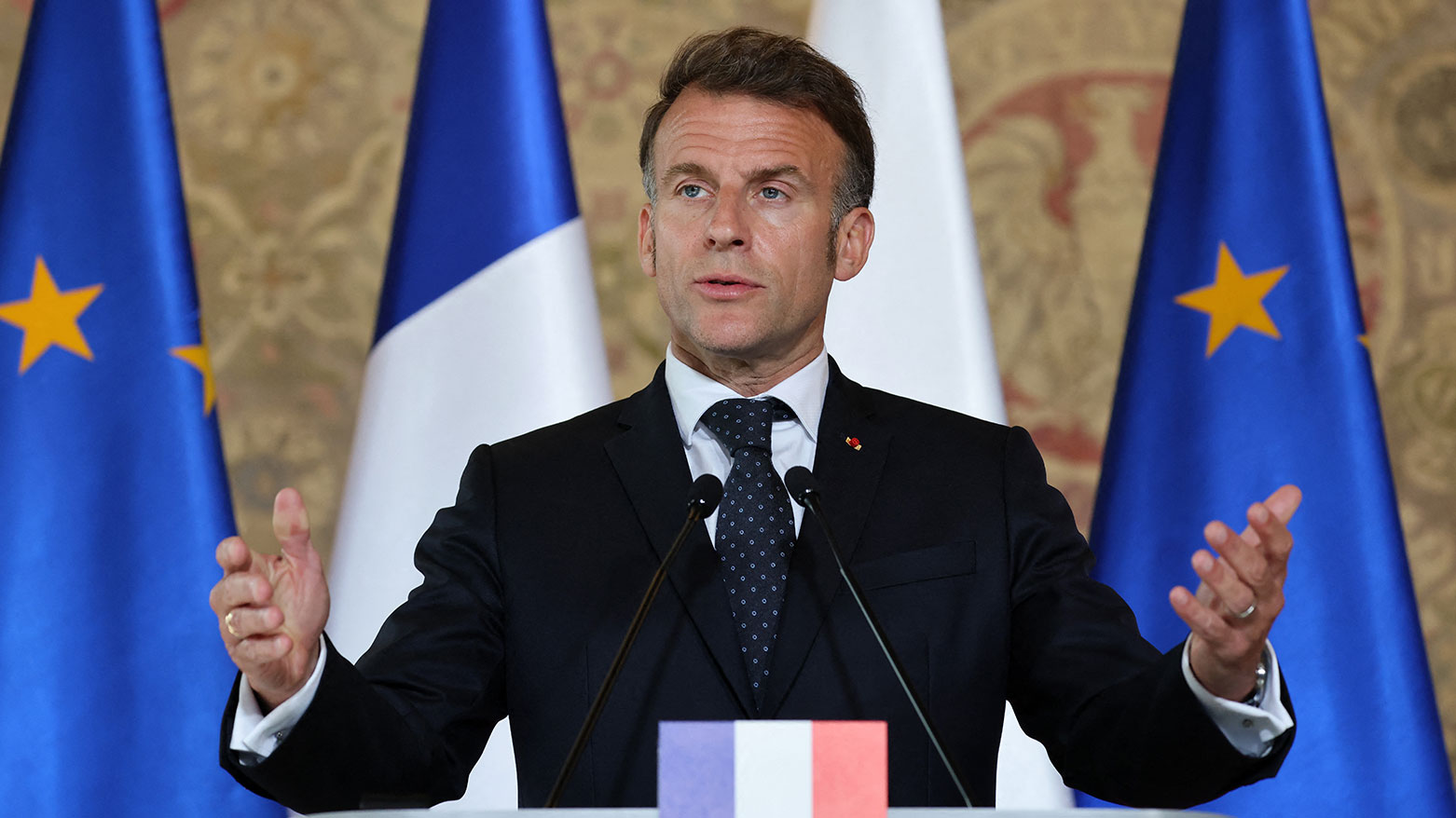
ERBIL (Kurdistan24) – French President Emmanuel Macron is set to reaffirm France’s full commitment to the Lebanon ceasefire and its support for the country’s territorial integrity during a meeting in Paris on Tuesday with Lebanese Prime Minister Nawaf Salam, according to the French presidency.
The talks come as diplomatic efforts intensify ahead of the ceasefire’s expected expiration on Wednesday. Pakistan is preparing to host a new round of negotiations between the United States and Iran, while Lebanese and Israeli officials are due to hold a separate meeting in Washington later this week.
During the meeting at the Élysée Palace, Macron and Salam are also expected to discuss humanitarian assistance for displaced populations, as well as the continuation of economic and financial reforms aimed at reinforcing Lebanon’s sovereignty, reconstruction, and long-term stability.
The discussions follow a deadly attack on the United Nations Interim Force in Lebanon, UNIFIL, in southern Lebanon on Saturday. The incident, involving small arms fire, left one French peacekeeper dead and three others wounded, two critically.
Both Macron and UNIFIL have attributed the attack to Hezbollah, though the group has denied any involvement.
Macron has called on Lebanese authorities to conduct a thorough investigation, urging them to “shed full light” on the incident and swiftly identify and prosecute those responsible. He stressed that UN peacekeepers “must under no circumstances be targeted.”
Earlier on Tuesday, Salam attended a meeting of European Union foreign ministers in Luxembourg, where discussions focused on the broader situation in the Middle East.
Tensions in the region escalated on March 2, when Hezbollah launched cross-border missile attacks shortly after the United States and Israel began military operations against Iran. Israel responded with a large-scale bombing campaign and a ground incursion into Lebanon.
Lebanese President Joseph Aoun later proposed direct negotiations with Israel—the first such offer in decades—in exchange for a halt in hostilities. While initially rejected, the proposal gained renewed momentum following the announcement of a truce between Washington and Tehran and the prospect of mediated talks.