Iranian FM Departed Islamabad After Talks as Negotiations Remain Unresolved
Abbas Araghchi met Pakistani leaders before leaving Islamabad, as no date has been set for the next round of US-Iran talks.
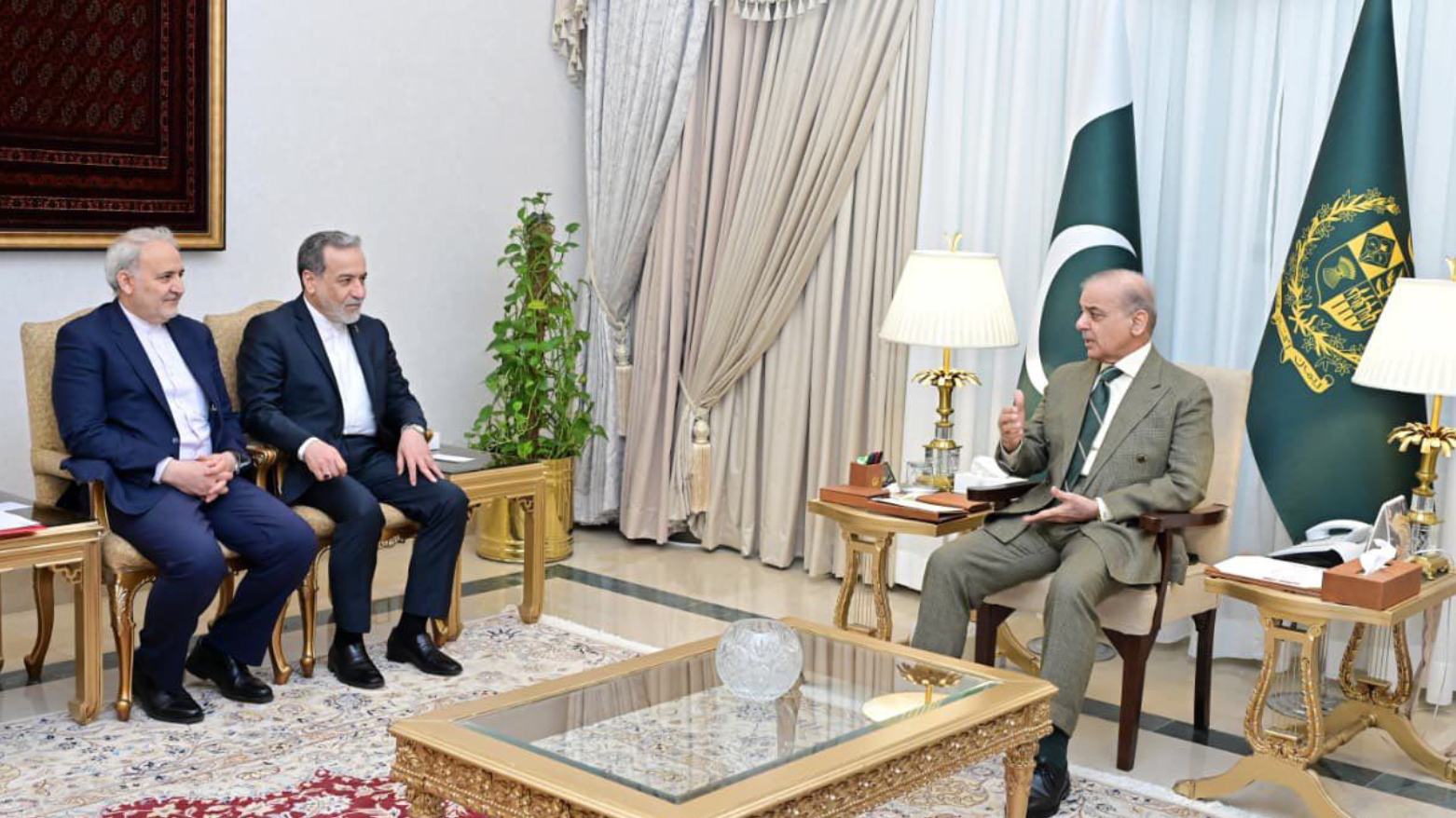
ERBIL (Kurdistan 24) — Iranian Foreign Minister Abbas Araghchi departed Islamabad on Saturday after a series of high-level meetings with Pakistani officials, as diplomatic efforts to advance peace talks with the United States remain unresolved.
Araghchi had arrived in the Pakistani capital a day earlier for consultations focused on ongoing negotiations tied to the conflict involving Iran, the United States, and Israel.
During his visit, Araghchi met with Pakistani Prime Minister Muhammad Shehbaz Sharif. The meeting was also attended by Deputy Prime Minister and Foreign Minister Senator Mohammad Ishaq Dar, as well as Chief of Army Staff and Chief of Defence Forces Field Marshal Syed Asim Munir, according to details released in Islamabad on Saturday.
Following the meetings, Araghchi described the visit as productive in a post on X, stating: “Very fruitful visit to Pakistan, whose good offices and brotherly efforts to bring back peace to our region we very much value.”
He added: “Shared Iran's position concerning workable framework to permanently end the war on Iran. Have yet to see if the U.S. is truly serious about diplomacy.”
The visit follows a first round of direct talks between Washington and Tehran held in Islamabad two weeks ago, after both sides agreed to a temporary ceasefire in the US-Israeli war with Iran. However, the two sides have yet to convene a second round of negotiations.
U.S. envoy Steve Witkoff and Jared Kushner were also expected to visit Islamabad, signaling continued engagement by Islamabad in the mediation process.
Despite these efforts, uncertainty continues to surround the diplomatic track, with no confirmed timeline for the next round of negotiations. Reports indicate that discussions remain ongoing, but no date has been finalized for renewed talks, according to the New York Times.
Earlier in April, Iran submitted a 10-point framework through Pakistan as part of the ceasefire and negotiation efforts. The proposal included the full lifting of sanctions, the release of frozen Iranian assets, compensation for war damages, and the reopening of the Strait of Hormuz. It also called for security guarantees against future attacks and outlined limits or conditions on nuclear activity, without committing to a complete halt. The first round of talks in Islamabad, held on April 11 and 12, 2026, ended without agreement, and both sides have since faced difficulties in organizing a second round, leaving key issues unresolved. Additional reporting, including from the New York Times, indicates that there is still no confirmed timing for the next round of U.S.–Iran negotiations.
Araghchi’s meetings and remarks highlight continued diplomatic engagement, but also underscore lingering doubts over the direction and seriousness of negotiations as no timeline for further talks has been set.