IDF Soldier Killed in South Lebanon Drone Attack as Fatal Escalation Strains Ceasefire
Hostilities between Israel and Hezbollah escalated Sunday following a fatal drone strike on IDF troops, leading to retaliatory raids that killed 14 in Lebanon's deadliest day since the truce.
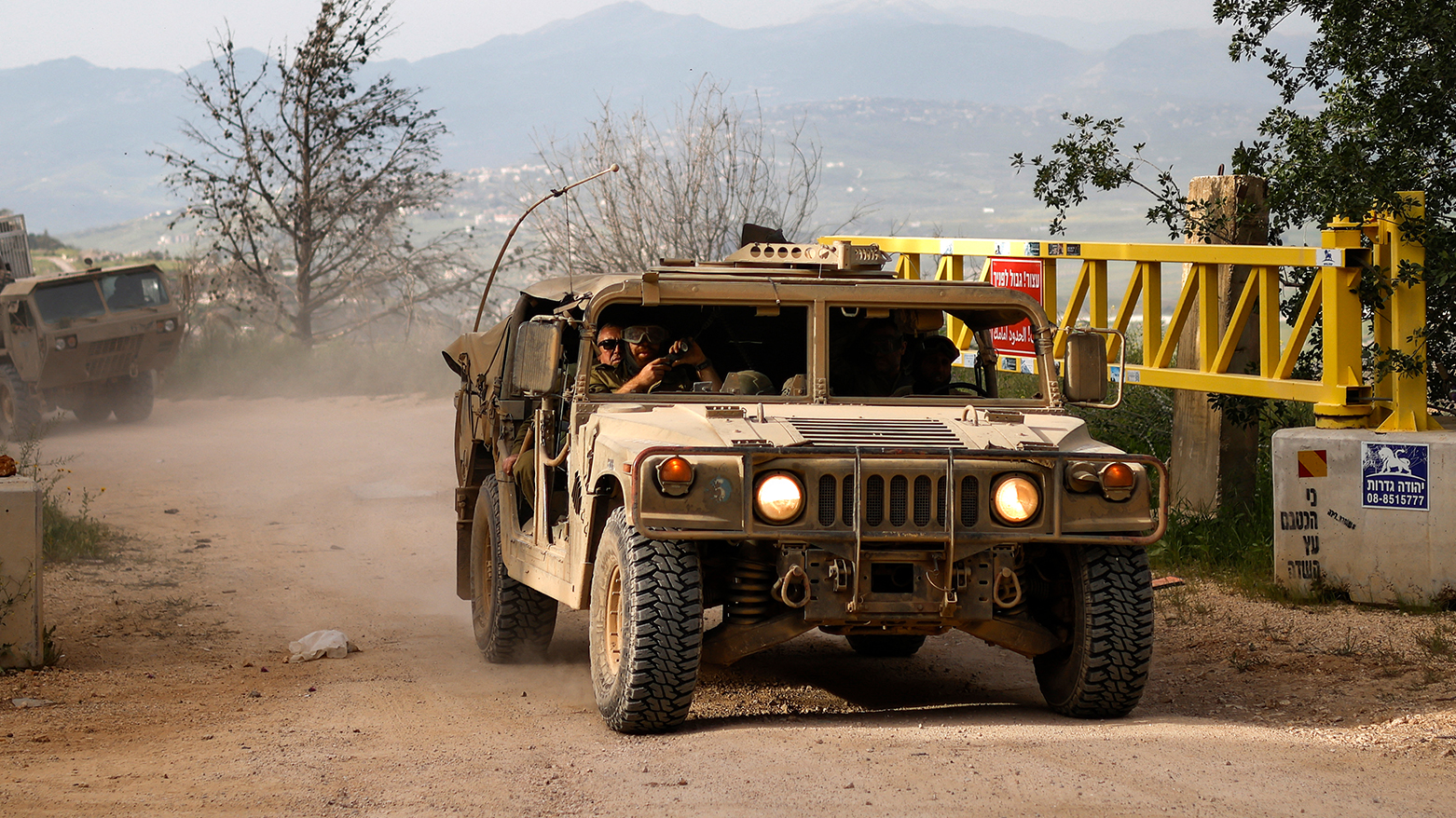
ERBIL (Kurdistan24) - An Israeli military (IDF) soldier was killed and six others were wounded in a Hezbollah explosive drone attack in southern Lebanon on Sunday, occurring as the two sides traded intense fire and mutual accusations of breaching a fragile ceasefire.
Following the strike, Lebanon's health ministry reported that Israeli retaliatory strikes across the south killed at least 14 people, marking the deadliest single day since the truce initially came into force on April 17.
The casualties reported by the ministry included two women and two children, with another 37 individuals wounded in the raids.
The recent spike in violence signals a precarious collapse of the diplomatic efforts led by the United States to stabilize the border.
Despite a three-week extension of the ceasefire announced by President Donald Trump last Thursday, the operational reality on the ground has reverted to high-intensity exchanges.
The "yellow line", an Israeli-designated security zone approximately 10 kilometers deep into Lebanese territory, has become the primary theater of friction, as Israeli forces maintain a presence that Hezbollah characterizes as an illegal occupation.
These developments matter because they illustrate the difficulty of enforcing a cessation of hostilities when both actors interpret the rules of engagement through the lens of proactive defense.
For Israel, any movement of Hezbollah infrastructure or personnel represents a "thwartable threat," while Hezbollah views Israeli operations within Lebanese territory as a persistent violation of sovereignty that mandates a kinetic response.
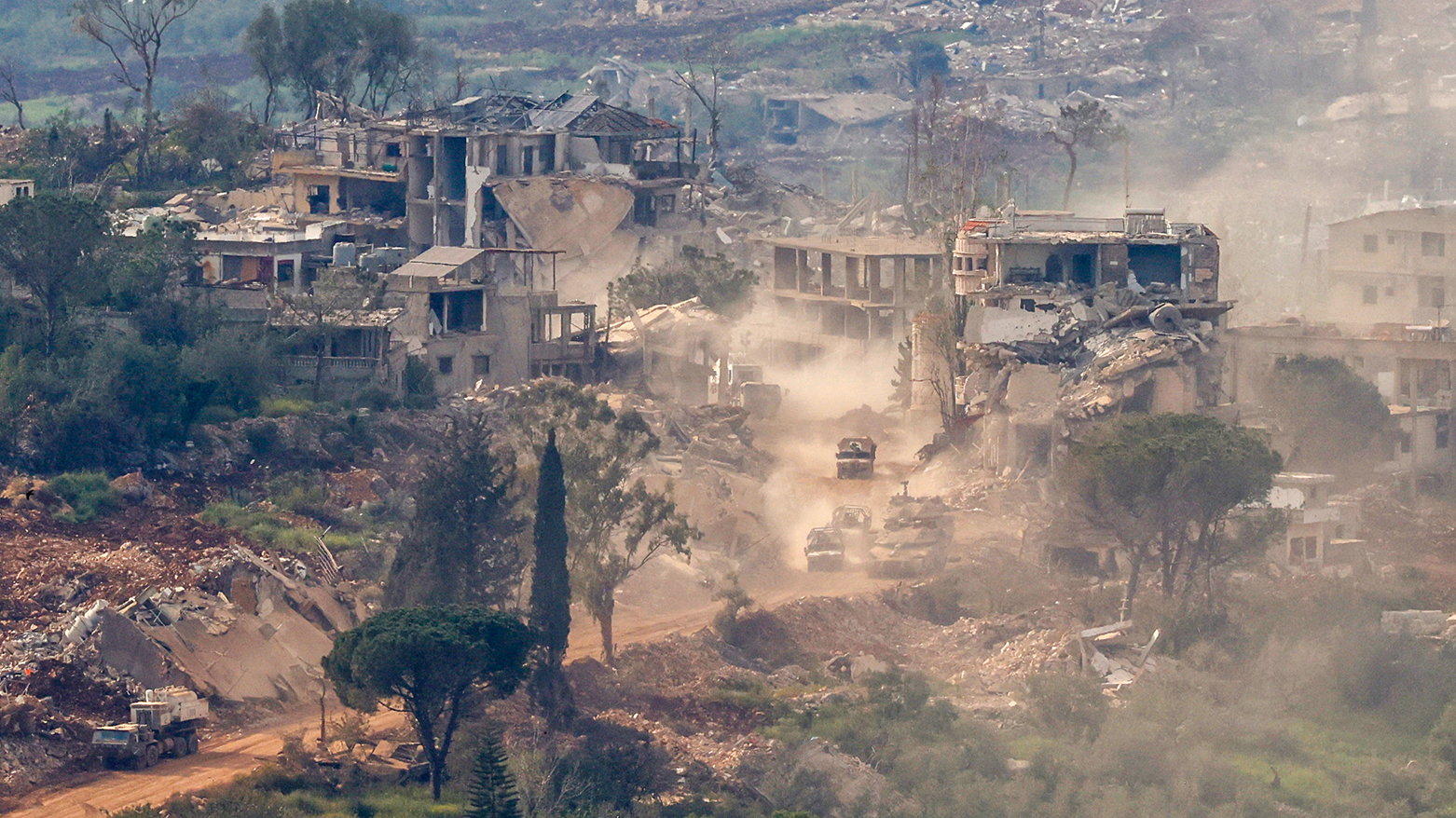
Lebanon's health ministry said Israeli strikes on April 25 in the country's south killed four people, despite a ceasefire that was extended this week in the war between Israel and militant group Hezbollah. (AFP)
The Fatal Strike in Taybeh
The specific incident that catalyzed Sunday's escalation occurred in the southern Lebanese town of Taybeh, situated within the Israeli-declared security zone.
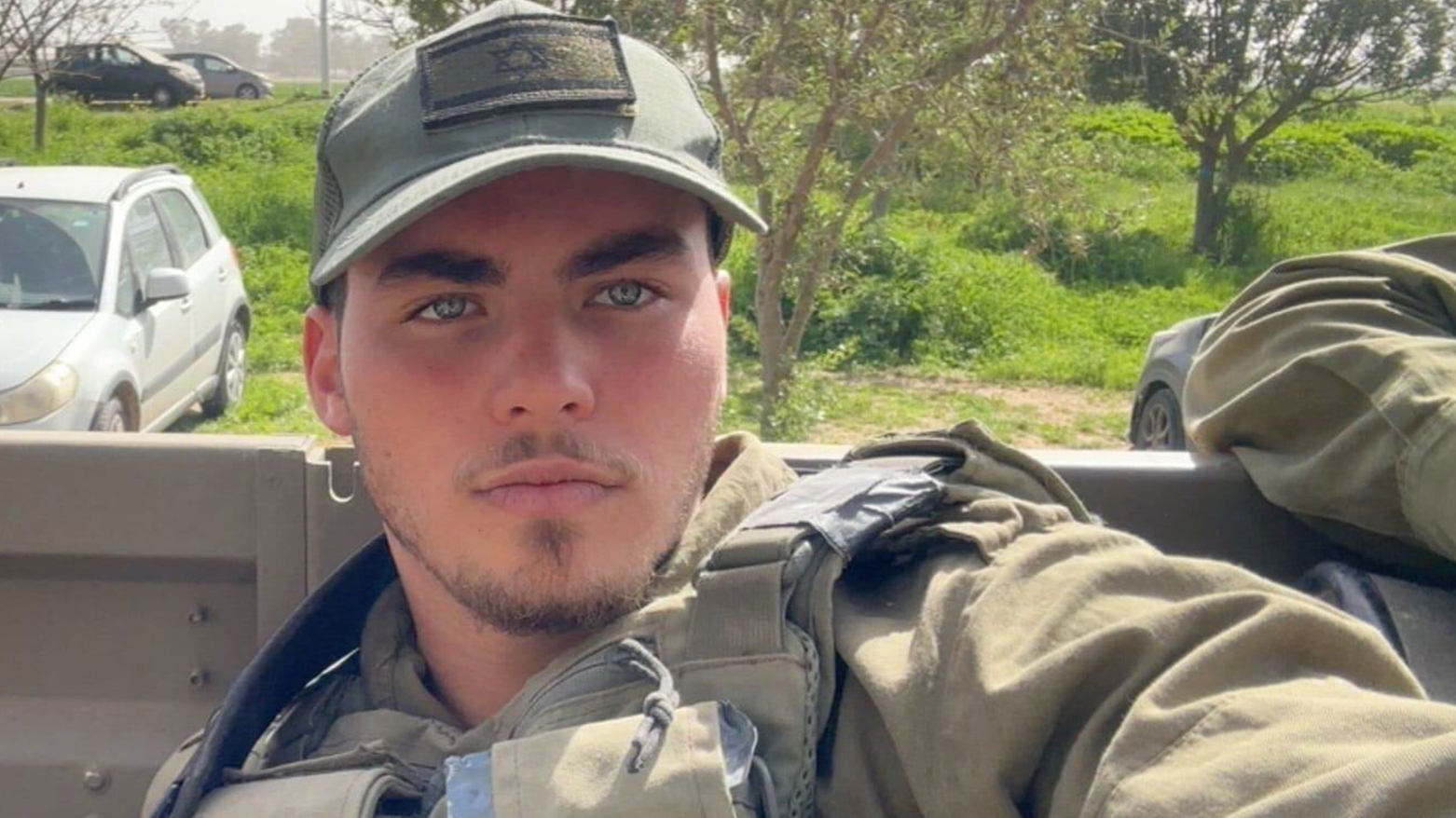
According to The Times of Israel, Sgt. Idan Fooks, 19, of the 7th Armored Brigade's 77th Battalion, was killed while his unit attempted to repair a disabled tank.
An IDF probe into the incident revealed that a Hezbollah explosive-laden drone struck the group during the repairs.
As an Israeli Air Force helicopter arrived to evacuate the wounded, Hezbollah launched two additional drones.
📹 Dramatic footage shows a Hezbollah drone targeting an Israeli medical evacuation in southern Lebanon.
— Kurdistan 24 English (@K24English) April 27, 2026
As troops attempted to airlift casualties via helicopter from a prior strike, two additional drones were launched.
The military says one was intercepted, while the second… pic.twitter.com/aQfTj0QWeQ
While one was intercepted by ground forces, a second struck near the troops and the aircraft, though it caused no additional injuries. Sgt.
Fooks is the third Israeli soldier to be killed in southern Lebanon since the ceasefire began, but notably the first to die in a direct Hezbollah attack rather than by pre-planted explosives.
The Times of Israel reported that Hezbollah utilized small first-person view (FPV) drones, some of which were guided by fiber-optic cables to prevent electronic jamming.
Hezbollah formally claimed responsibility for the operation, describing it as a "legitimate response" to Israeli breaches of the temporary truce.
Retaliatory Waves and Civilian Impact
In the hours following the death of Sgt. Fooks, the IDF launched an expansive wave of airstrikes and artillery shelling targeting what it described as Hezbollah infrastructure and rocket-launching squads.
AFP reported that the Lebanese National News Agency (NNA) confirmed strikes in multiple locations, including those for which the IDF had issued immediate evacuation orders.
Among the flagged villages were Mayfadoun, Shoukine, Yohmar, Arnoun, Zawtar al-Sharqiyah, and Kfar Tebnit. In Zawtar al-Sharqiyah, the NNA reported that an Israeli strike destroyed a mosque and another religious building, following an earlier drone strike on a motorcycle in the vicinity.
Clouds of grey smoke were observed rising over Nabatieh al-Fawqa as residents fled northward, causing heavy traffic along major corridors.
According to an AFP tally based on health ministry figures, Israeli strikes have killed at least 36 people in Lebanon since the truce began.
Conversely, the IDF stated it has eliminated 46 Hezbollah operatives in southern Lebanon over the same two-week period.
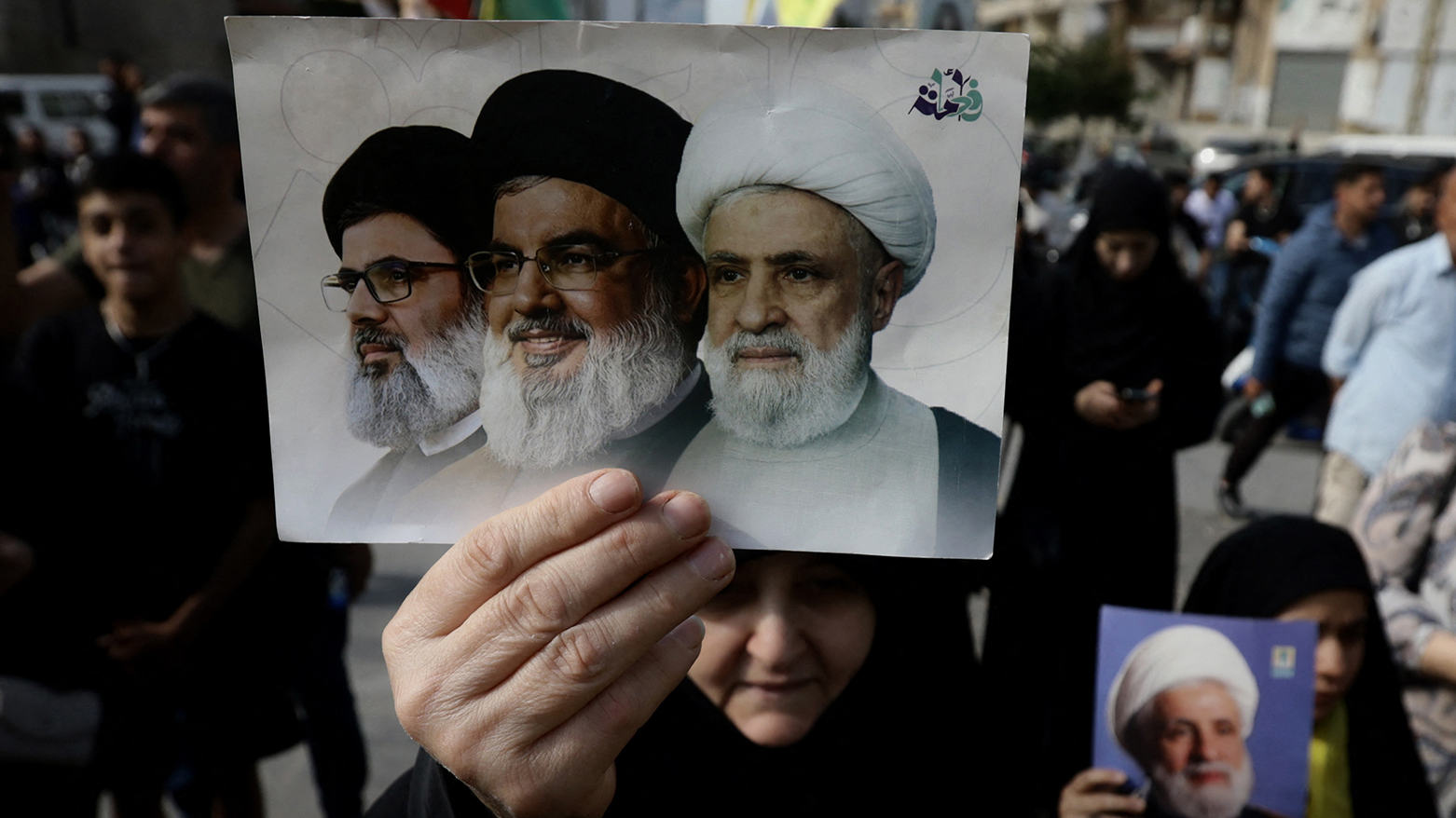
Lebanon's health ministry said Israeli strikes killed four people in the country's south on April 25, despite a ceasefire that was extended this week in the war between Israel and militant group Hezbollah. Tehran-backed Hezbollah drew Lebanon into the Middle East war on March 2 by firing rockets at Israel to avenge the death of Iran's supreme leader in US-Israeli strikes. (AFP)
Political Rhetoric and the Doctrine of Pre-emption
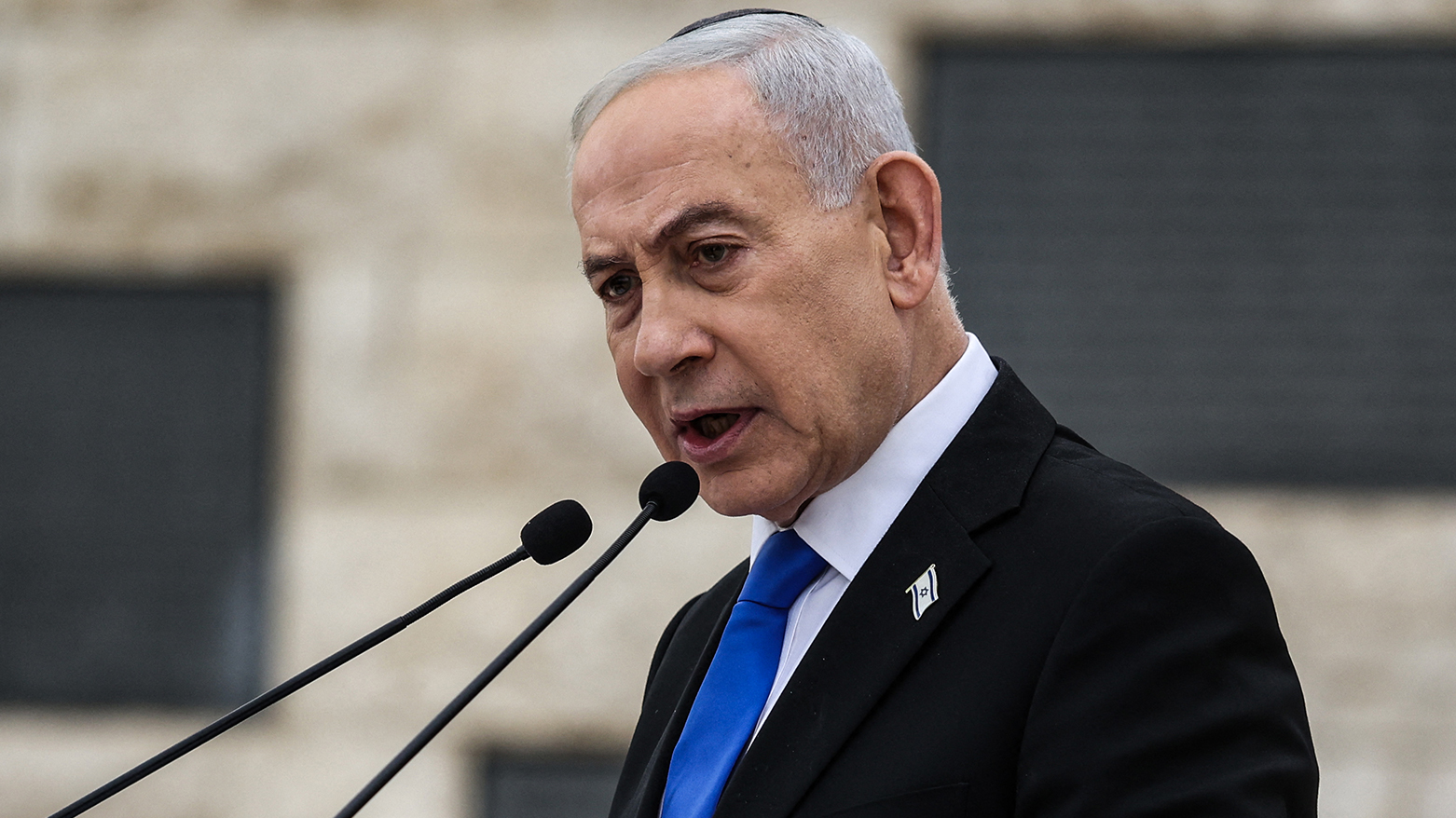
The military escalation has been mirrored by a hardening of political stances in both Jerusalem and Beirut. Speaking at a weekly cabinet meeting on Sunday, Prime Minister Benjamin Netanyahu accused Hezbollah of "dismantling the ceasefire" through repeated lawlessness.
Netanyahu emphasized that Israel would maintain "freedom of action" to not only respond to attacks but to "neutralize emerging threats." He asserted that the IDF would act with a "strong hand" to restore security to northern Israel.
This doctrine of pre-emptive action is a core tenet of the US-mediated agreement, which allows Israel to act against "planned, imminent or ongoing attacks," though the definition of such threats remains a point of severe contention with Lebanese authorities.
In a rebuttal, Hezbollah rejected the accusation that it was jeopardizing the truce.
In a statement released on Sunday, the group argued that its operations are a defense against the "continued occupation of Lebanese territory." Hezbollah officials clarified that as long as Israeli sovereignty violations continue, the "resistance" remains ready to defend the land and people.
Strategic Signaling and Regional Friction
What appears as a localized exchange is, in effect, part of a broader escalation pattern along the Israel–Lebanon front.
The pattern of "fire and blame" suggests that neither side is currently willing to allow a perceived violation to go unanswered, creating a feedback loop of retaliation that transcends the diplomatic text of the ceasefire.
Operationally, the IDF's use of localized evacuation orders before strikes indicates a transition to more targeted, yet more frequent, kinetic operations. Simultaneously, Hezbollah’s use of fiber-optic-guided drones demonstrates a technological adaptation aimed at overcoming Israel's sophisticated electronic warfare umbrella.
The security climate is further complicated by the presence of the United Nations' UNIFIL peacekeeping force. On Sunday, UNIFIL held a memorial for an Indonesian peacekeeper who died from wounds sustained in a blast last month.
A preliminary UN investigation cited by AFP indicated that an Israeli tank shell caused the explosion, underscoring the high risks faced by international observers caught between the warring factions.
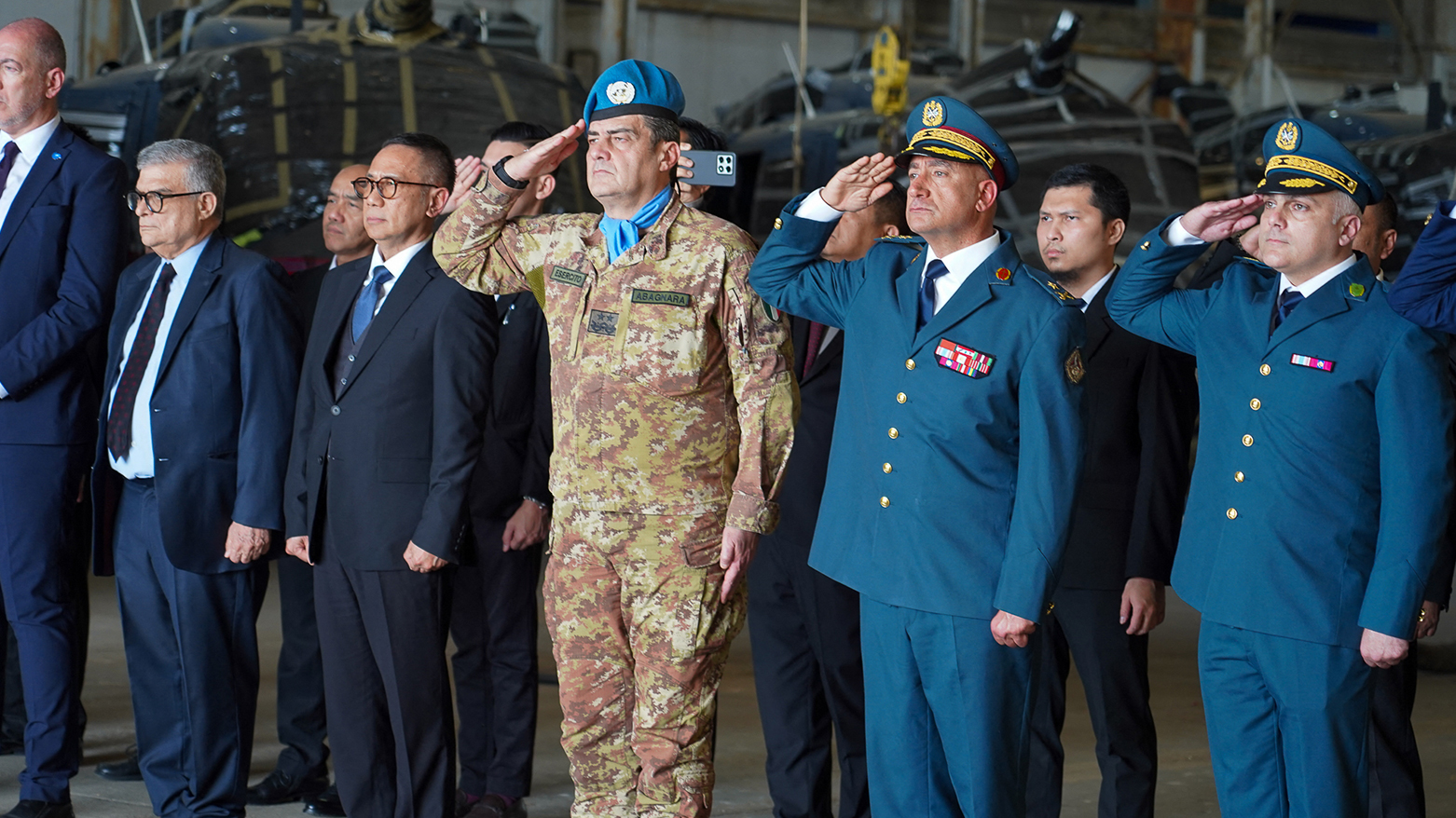
The UN peacekeeping force in Lebanon, UNIFIL, announced on April 24, 2026, that an Indonesian blue helmet died in hospital of wounds suffered on March 29 in an attack on his base. "UNIFIL deplores the passing today of Corporal Rico Pramudia, who was critically injured following a projectile explosion in his base in Adchit Al Qusayr on the night of 29 March," the force said in a statement. His death brings to six the number of peacekeepers killed since the start of the most recent war between Israel and Hezbollah on March 2. (AFP)
Current Conflict Statistics
Since the broader hostilities resumed on March 2, the conflict has exacted a significant human toll.
According to The Times of Israel, two Israeli civilians and 16 IDF soldiers have died in the fighting. Lebanon's health ministry reported that more than 2,500 people have been killed in Israeli strikes since the same date, a figure that includes both combatants and civilians.
The IDF maintains that it has killed approximately 1,700 Hezbollah operatives since the hostilities escalated in early March.
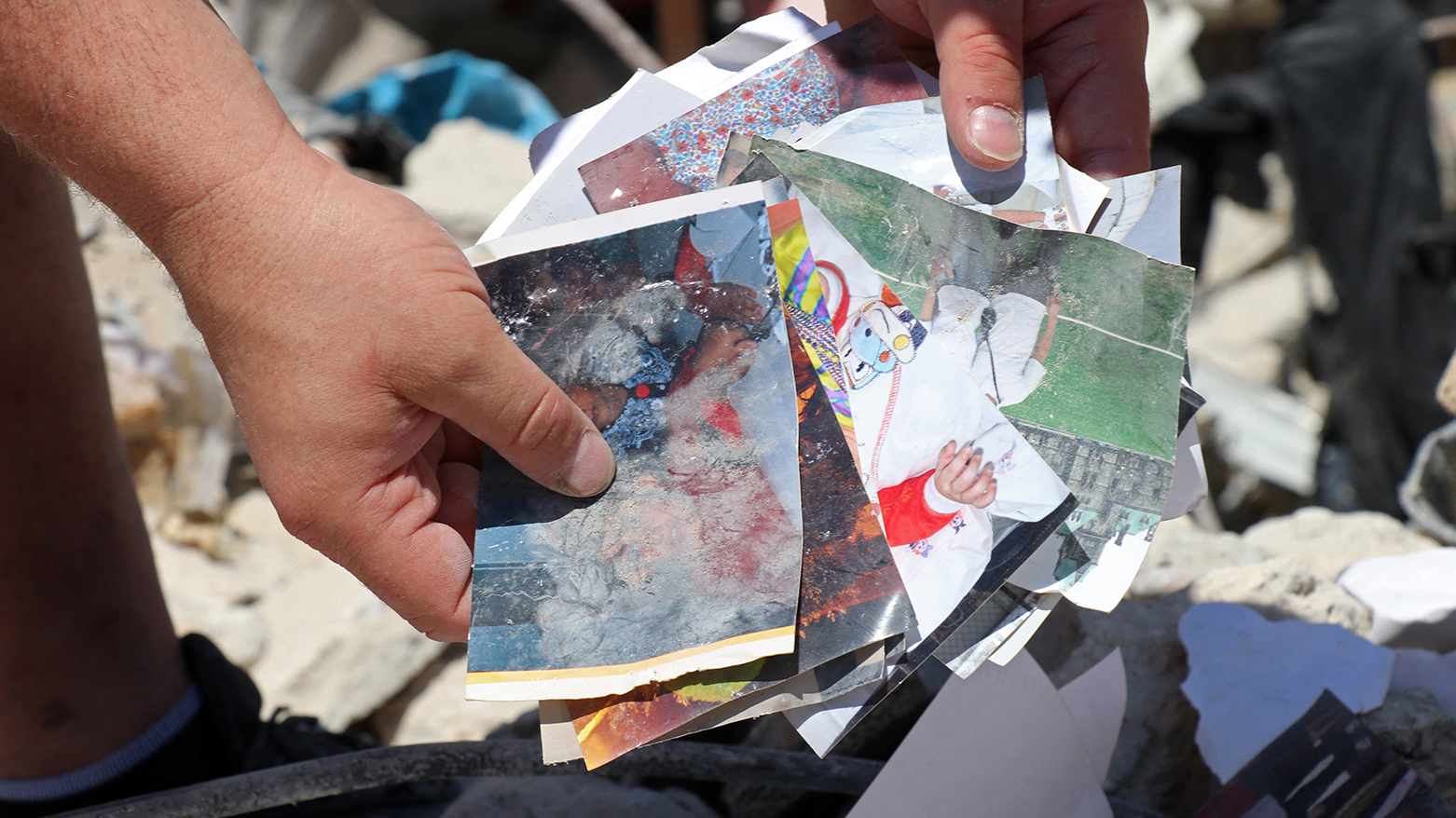
Clutching a battered photo album, Hijazi searched a mountain of rubble in south Lebanon's Tyre for mementoes of his family, killed in an Israeli strike minutes before a ceasefire took hold. (AFP)