Iraqi Authorities Open Baghdad Green Zone Gates to Citizens
Iraq's Prime Minister Mohammed Shia al-Sudani orders unrestricted access to the capital's fortified political center.
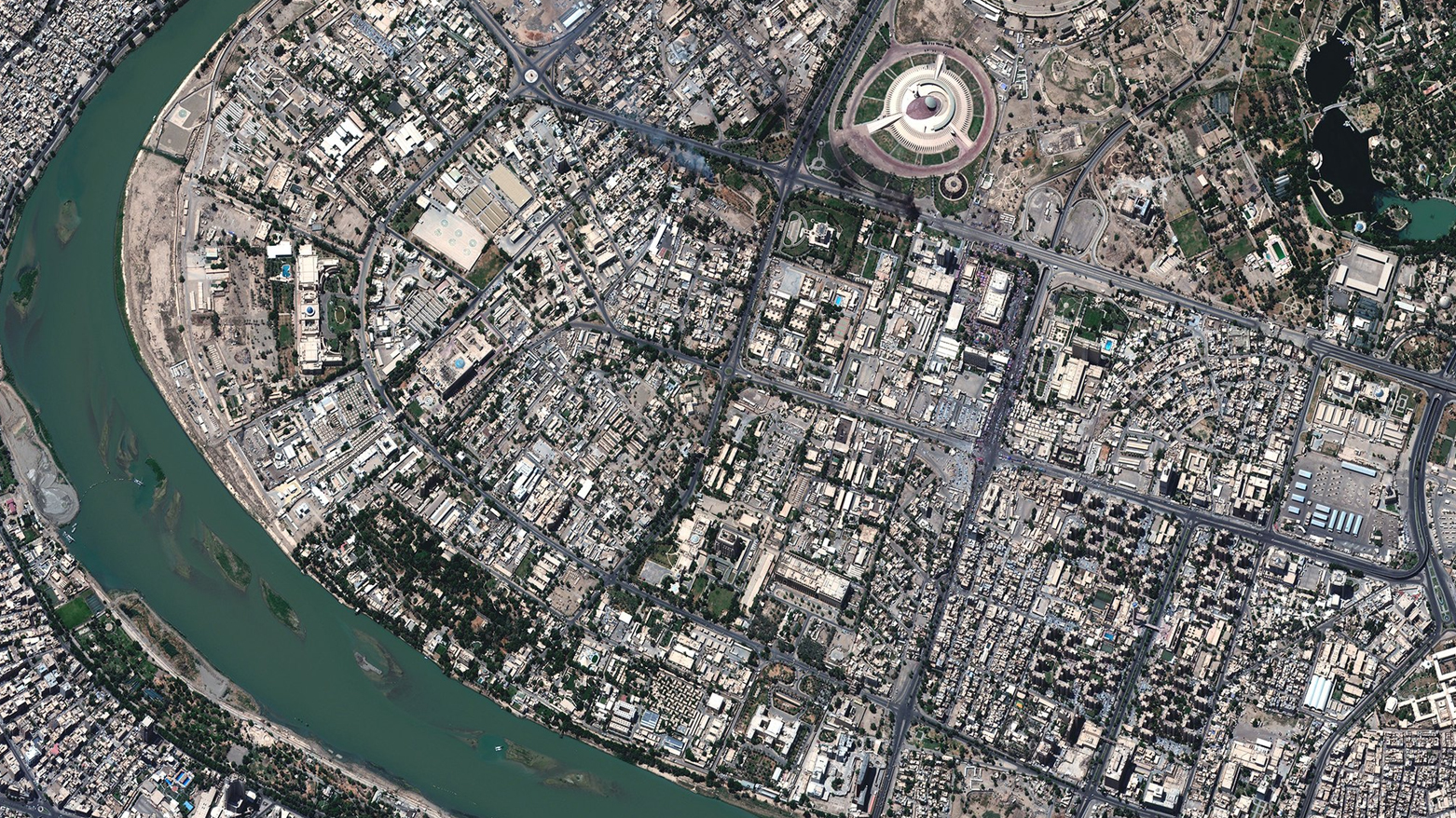
ERBIL (Kurdistan24) - Iraqi authorities have ordered the reopening of all gates to Baghdad's Green Zone, allowing citizens and vehicles to enter the area starting at 6:00 p.m. on Monday, according to a statement from the Prime Minister's Media Office, which said the decision was issued by Prime Minister Mohammed Shia al-Sudani.
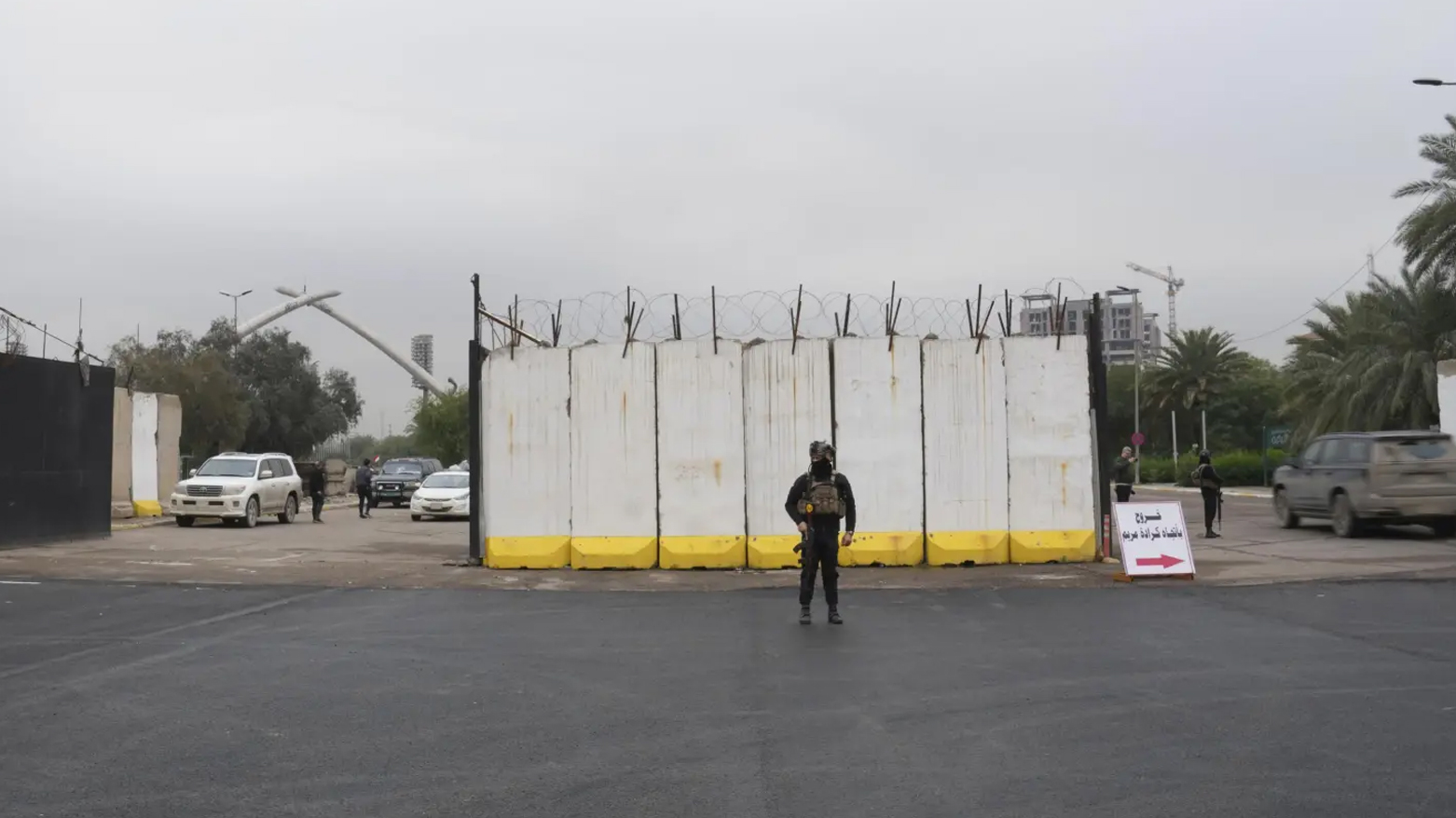
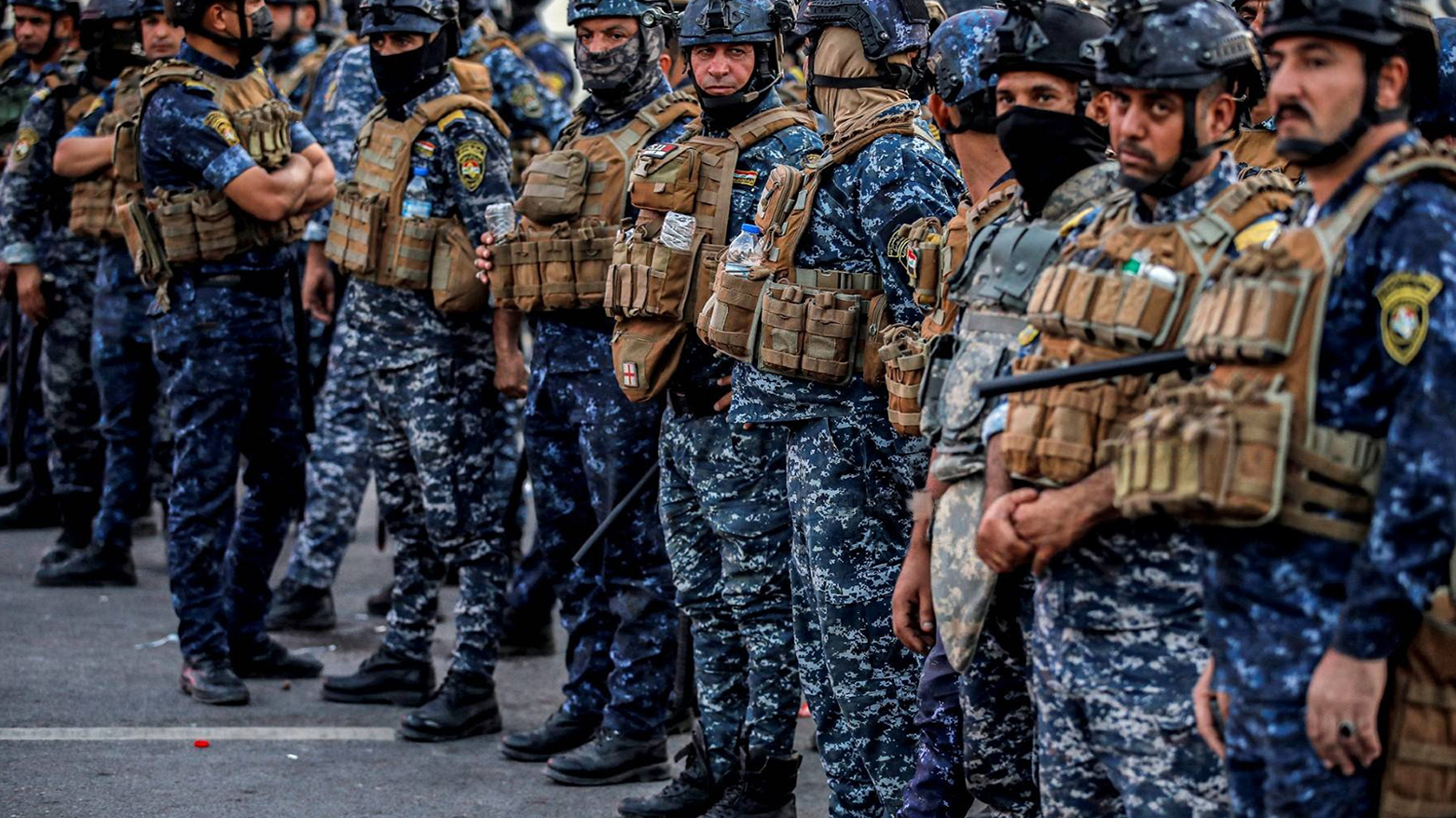
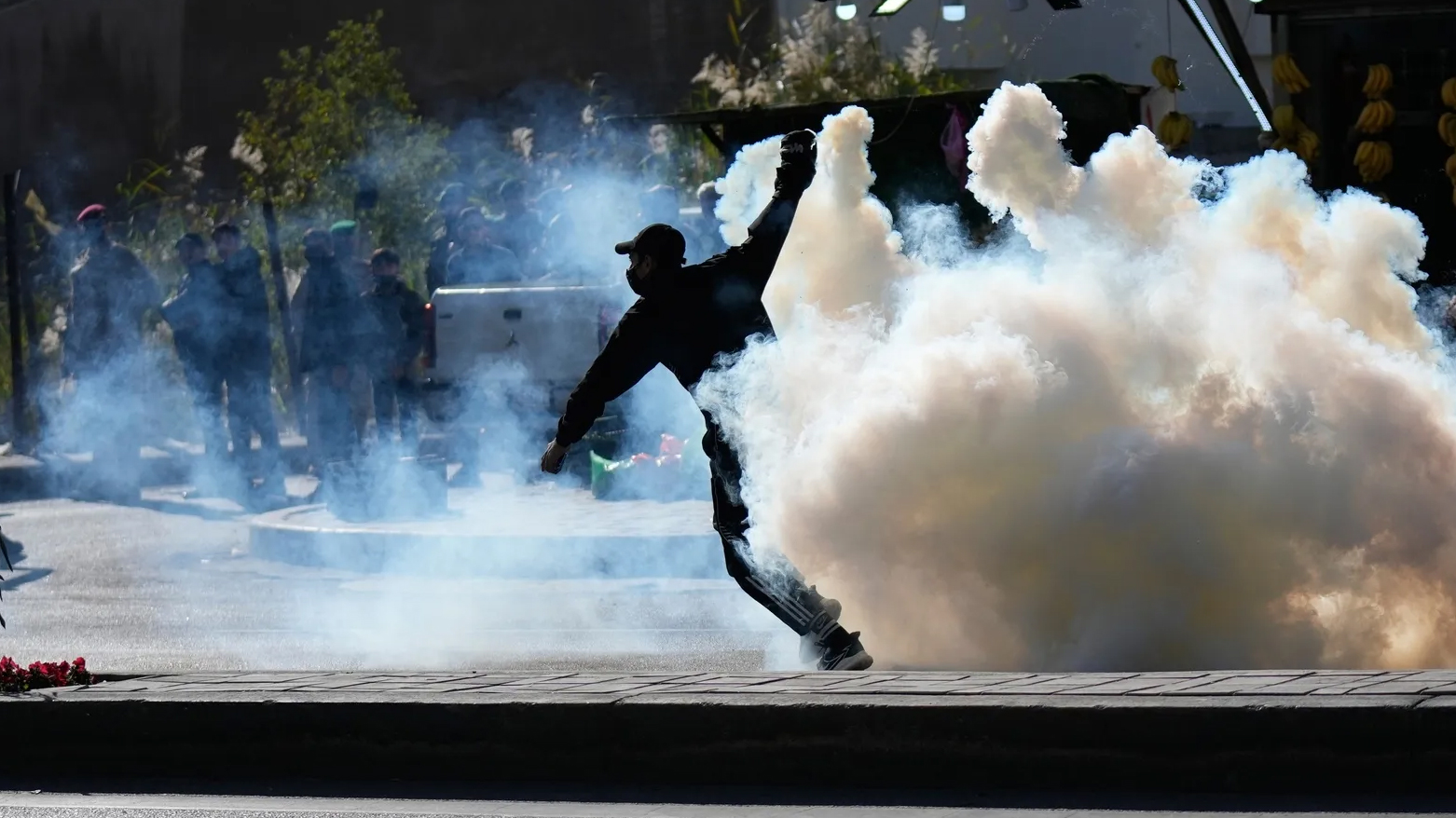
The decision follows a period of tightened restrictions in which security forces had closed access points to the zone amid a deterioration in the security situation and attempts by protesters to enter the area.
Those tensions were linked to unrest that followed reports in early March regarding the killing of Iran's Supreme Leader during U.S. and Israeli strikes on Tehran, according to the report.
Operational and security context
The Green Zone, officially known as the International Zone, has long functioned as a highly controlled and fortified administrative district within central Baghdad.
According to accounts from Wilfred Buchta, a former United Nations political affairs officer who worked in the area between 2005 and 2010, the zone operated as a heavily secured enclave during some of the most volatile years following the 2003 U.S. Operation Iraqi Freedom.
Buchta's account describes the Green Zone as a "combat zone" environment during that period, where international personnel, Iraqi officials, and diplomatic missions operated under constant threat.
The area was protected by multiple layers of security infrastructure, including blast walls, controlled checkpoints, and armed patrols designed to regulate entry and shield institutions from external attacks.
Despite these measures, the zone was not immune to violence.
Mortar fire and rocket attacks were described as frequent and unpredictable, underscoring the persistent security challenges even within the most heavily defended part of the capital.
The Green Zone also served as the central hub for Iraq's post-2003 political system.
It housed key government institutions, including parliament, executive offices, and residences of senior officials, as well as foreign diplomatic missions and international organizations operating in the country.
Access was tightly regulated, with multiple checkpoints controlling movement in and out of the area.
Historical evolution of the Green Zone
Baghdad's Green Zone spans approximately 10 square kilometers in the Karkh district along the Tigris River and has undergone significant transformation over several decades.
Before 2003, the district functioned as an exclusive administrative and residential area reserved for Saddam Hussein, his family, and senior Ba'ath Party officials.
Following the U.S. Operation Iraqi Freedom in 2003, the area was repurposed as the headquarters of the Coalition Provisional Authority and later became the administrative center for Iraq's new political institutions.
It was fortified extensively, with blast walls, razor wire, and checkpoints creating a secure enclave separated from the rest of Baghdad.
Over time, the zone came to symbolize both governance and isolation.
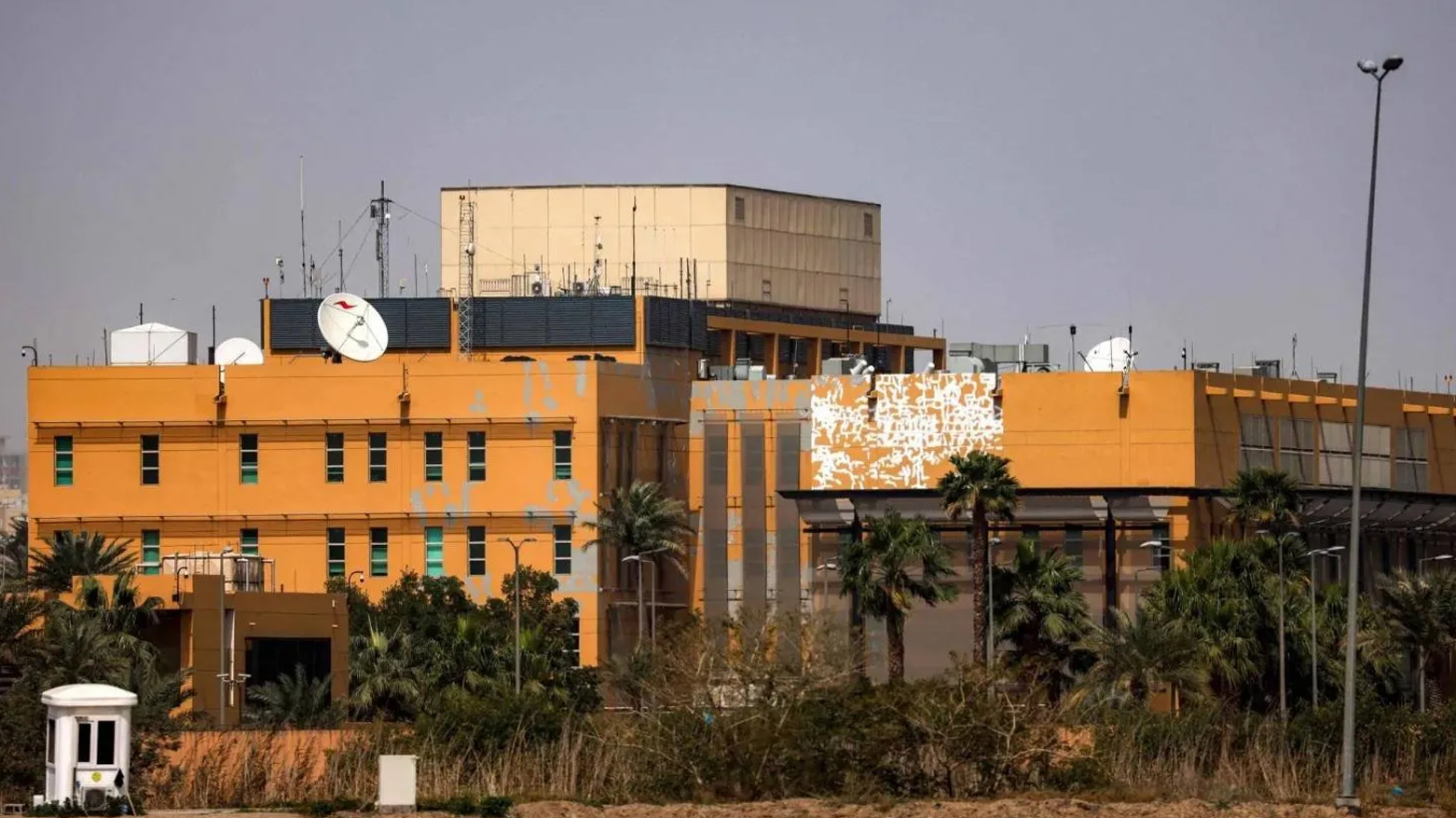
It housed Iraq's core political institutions, including parliament, ministries, and the Supreme Judicial Council, as well as one of the world's largest U.S. embassy compounds and other foreign missions.
Its physical barriers and restricted access reinforced perceptions of a divide between political leadership and the general population.
Cycles of closure and reopening
Access to the Green Zone has fluctuated over the years, reflecting shifts in Iraq's security environment and political dynamics.
After being sealed off in 2003, the area remained largely inaccessible to the public for more than a decade.
A brief reopening occurred in 2015, followed by more sustained access beginning in 2018 and expanding in 2019, when authorities allowed 24-hour entry to certain areas.
These measures were presented as efforts to ease traffic congestion and signal improvements in security conditions.
However, access has been repeatedly restricted in response to specific events, including protests, political unrest, and security threats.
Demonstrations in 2016 and 2022, some of which involved breaches of the zone's barriers and confrontations with security forces, led to renewed closures.
Rocket attacks and regional tensions have also prompted temporary shutdowns.
Most recently, the zone was closed amid unrest linked to regional escalation and domestic protests in early 2026, before the current decision to reopen its gates.
Governance and public access
The reopening of the Green Zone carries administrative and symbolic significance within Iraq's governance framework.
As the seat of government and a central node for political decision-making, the zone’s accessibility is closely tied to perceptions of state authority and public inclusion.
The decision to allow civilian movement into the area restores a level of public access that has been periodically suspended due to security concerns.
It also affects daily urban mobility in Baghdad, where road closures linked to the zone have historically contributed to traffic congestion and restricted circulation across key parts of the city.
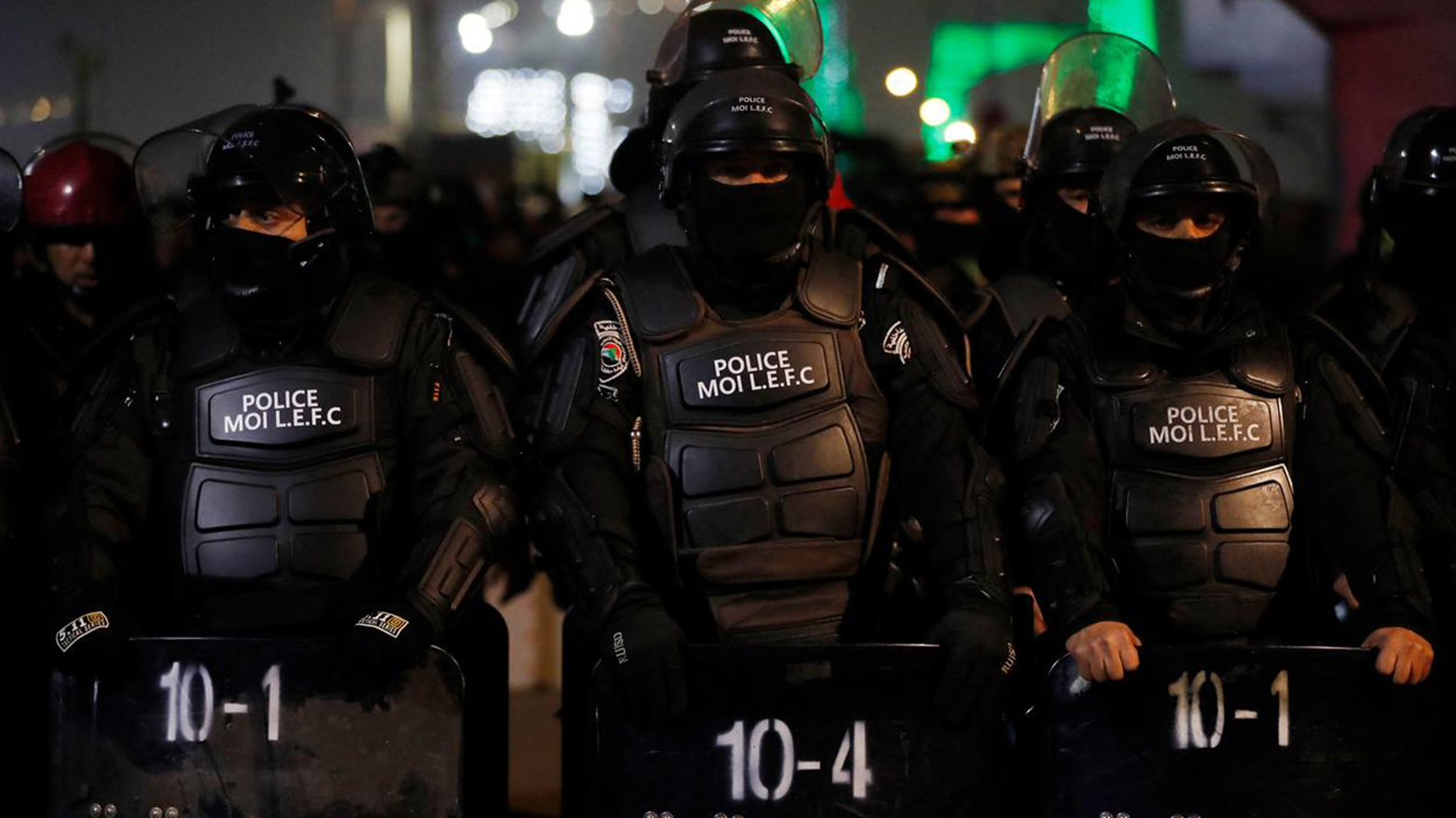
At the same time, the reopening takes place within a context of continued security vigilance.
Previous experiences have shown that access policies remain contingent on evolving conditions, including protest activity, regional developments, and assessments by Iraqi security forces.
Implementation details
According to the Prime Minister's Media Office, the reopening applies to all gates of the Green Zone and permits both pedestrian and vehicular movement.
The directive took effect at 6:00 p.m. local time on Monday.
Authorities have not specified additional operational measures in the statement, such as screening procedures or traffic management protocols, but access to the zone has historically involved checkpoint controls and identity verification.
Security forces had earlier restricted entry following attempts by demonstrators to access the area, highlighting the sensitivity of the zone as both a political center and a focal point for public protest.
The Green Zone's role has evolved from an exclusive enclave under Saddam Hussein to a fortified administrative center post-2003, and later to the core of Iraq's sovereign political system.
Throughout these phases, its accessibility has reflected broader trends in governance, security, and state-society relations.
Openings of the zone have often been framed as indicators of stability and institutional confidence, while closures have underscored ongoing challenges, including internal unrest and external pressures.
The latest reopening follows a pattern in which access is adjusted in response to immediate conditions, with authorities balancing public movement and security considerations.