Iran Says U.S. Can No Longer “Dictate” as Hormuz Talks Stall
Trump rejects Tehran proposal, Gulf states warn of prolonged instability
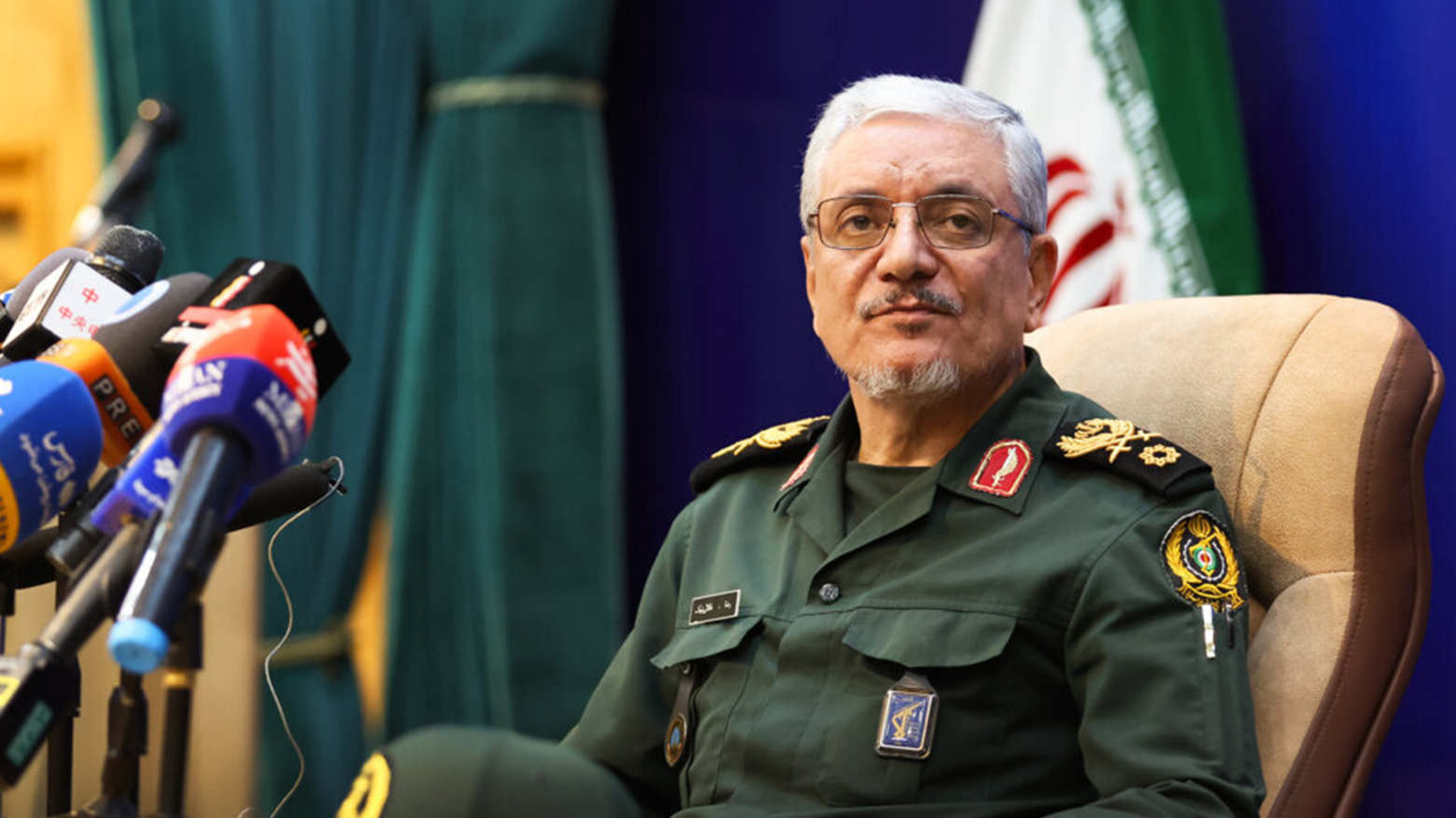
ERBIL (Kurdistan24) — Iran said on Tuesday that the United States is no longer in a position to “dictate” terms to other nations, as negotiations over reopening the strategic Strait of Hormuz remain deadlocked despite a fragile ceasefire.
“The United States is no longer in a position to dictate its policy to independent nations,” Iranian defense ministry spokesman Reza Talaei-Nik said, according to state television, adding that Washington must abandon what he described as “illegal and irrational demands.”
The remarks come as Tehran’s proposal to reopen the Strait of Hormuz—a critical artery for global oil and gas shipments—faces resistance in Washington. The proposal reportedly links the reopening of the waterway to broader negotiations aimed at ending the conflict with the United States and Israel.
However, U.S. President Donald Trump has rejected the plan, objecting to its sequencing. According to U.S. officials, the proposal delays discussions on Iran’s nuclear program until after a ceasefire and maritime issues are resolved—an approach Washington deems unacceptable.
Trump has insisted that nuclear negotiations must be addressed from the outset, underscoring a core sticking point that has stalled progress toward a lasting agreement.
Although active hostilities have paused since an April 8 ceasefire, efforts to reach a comprehensive settlement have so far proven inconclusive. Iran has effectively restricted traffic through the Strait of Hormuz since early in the war, disrupting global energy flows and elevating the waterway to the center of diplomatic efforts.
In parallel, Iran signaled a shift in its regional posture. Talaei-Nik said Tehran is prepared to share its defensive military capabilities with “independent countries,” particularly members of the Shanghai Cooperation Organization, as it seeks to deepen strategic partnerships.
Domestically, Iran has also taken economic measures linked to the conflict. Authorities have banned steel exports following airstrikes that targeted the country’s industrial sector, according to local media citing customs directives.
Regional actors have voiced concern over the risk of a prolonged stalemate. Qatar’s foreign ministry spokesperson, Majed al-Ansari, warned against the emergence of a “frozen conflict” in the Gulf.
“We do not want to see a return to hostilities… nor a frozen conflict that could reignite for political reasons,” he said, emphasizing the need for a sustainable resolution that addresses regional security concerns.
Meanwhile, Gulf states continue to tighten internal security measures. In Bahrain, courts sentenced five individuals to life imprisonment for allegedly plotting attacks in coordination with Iran’s Revolutionary Guards. Authorities said the group had monitored and photographed sensitive infrastructure.
An additional 25 people were handed prison terms of up to 10 years for sharing images of Iranian strikes and expressing support for them, according to prosecutors.
The rulings follow a broader crackdown across the Gulf, where hundreds have reportedly been detained for disseminating footage of attacks or showing sympathy toward Tehran.
Bahrain, which hosts a major U.S. military base and has a significant Shia population, has been particularly affected.
The sentences also come just days after Bahrain revoked the citizenship of 69 individuals accused of supporting Iranian activities, highlighting heightened concerns over internal security and alleged foreign influence.
As diplomatic efforts falter and positions harden, the dispute over the Strait of Hormuz—alongside unresolved nuclear tensions—continues to block a pathway to a comprehensive peace agreement, raising fears of a prolonged period of instability in the region.