Pakistan Awaits Iran Response as US Considers Extending Maritime Pressure
Islamabad presses ahead with mediation between Washington and Tehran, while the US considers prolonging maritime restrictions
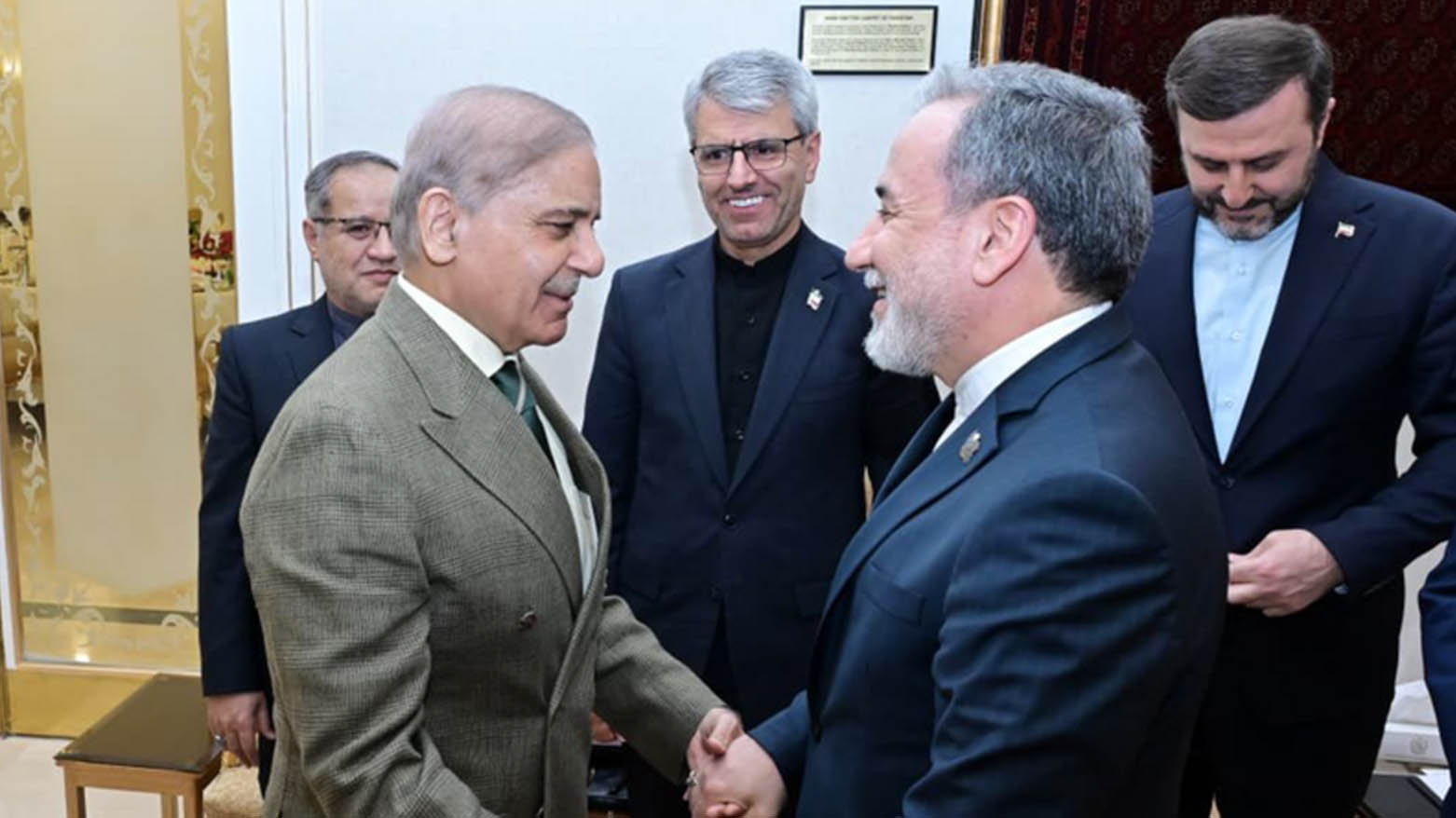
ERBIL (Kurdistan24) - Diplomatic efforts to ease tensions between the United States and Iran remain ongoing, with Pakistan confirming it is awaiting Tehran’s final response, as Washington simultaneously explores extending pressure measures and Moscow reassesses its footprint in Iran.
Shehbaz Sharif reiterated that his government remains committed to reducing tensions between Washington and Tehran, emphasizing that mediation efforts are ongoing.
Speaking during a cabinet meeting in Islamabad on Wednesday, April 29, 2026, Sharif said that the first round of direct talks between Iran and the United States, held on April 11, had led to progress on a ceasefire issue, with its effects still continuing.
He noted that Iran’s Foreign Minister Abbas Araghchi recently visited Pakistan, where another extended round of discussions took place between Tehran and Islamabad.
Sharif revealed that Araghchi had spoken with him by phone before traveling to Moscow, assuring that Iran would deliver a response after consultations with its leadership “in the near future,” without disclosing the nature of that response.
Pakistan has previously expressed its willingness to host a second round of talks between the United States and Iran as part of efforts to reduce tensions.
However, a Pakistani official told Reuters that Iranian responses have been slow, attributing the delay to what he described as a lack of unified decision-making within Iran, with replies sometimes taking two to three days.
These developments come as Donald Trump has repeatedly pointed to internal disagreements in Iran as a factor delaying a potential agreement, claims that Iranian officials have strongly denied.
According to available information, Araghchi has presented a new proposal aimed at halting the war, though the Trump administration has not shown agreement so far. US sources suggest that Tehran may submit a revised proposal in the coming days, but no official statement has yet been issued.
US considers extending maritime blockade
In parallel, discussions within the White House have focused on extending maritime restrictions on Iran for several more months.
According to Axios, Trump held a closed-door meeting on Tuesday at the White House with senior officials and energy executives to explore strategies that would maintain pressure on Tehran while mitigating the domestic impact of rising fuel prices in the United States.
Participants included Vice President J.D. Vance, Treasury Secretary Scott Bessent, and senior advisors such as Jared Kushner and Steve Witkoff, alongside major energy sector representatives, including Chevron CEO Mike Wirth.
A White House official said the meeting aimed to gather proposals on how to sustain restrictions on Iran and the Strait of Hormuz if necessary.
The discussions come amid rising global energy prices, with Brent crude for June contracts increasing by 5.16% to reach $117 per barrel, while US West Texas Intermediate (WTI) rose by 4.85% to $104.78 per barrel.
Officials in Washington are reportedly concerned about the political impact of rising gasoline prices domestically, which have reached $4.23 per gallon, the highest level since 2022.
Russia reassesses Bushehr nuclear presence
Meanwhile, Russia has not yet decided whether to return its personnel to Iran’s Bushehr nuclear power plant.
Rosatom announced that most of its technical teams had withdrawn from the site due to deteriorating security conditions and ongoing military strikes, leaving only a small team of around 20 personnel.
According to Interfax, Rosatom chief Alexey Likhachev confirmed that the remaining staff includes management, security personnel, and technicians responsible for maintaining operations and safety.
Russia has evacuated personnel from Bushehr in several phases, including the relocation of around 180 employees to Isfahan, while earlier evacuations saw 198 workers leave on April 4 and 163 on March 25, following airstrikes in the vicinity of the facility.
Likhachev stressed that a full evacuation is not possible, as a minimum number of specialists must remain to ensure the plant’s continued operation and maintenance.
Russia remains a key partner in the construction and operation of the Bushehr nuclear facility, but ongoing military tensions have prompted Moscow to act cautiously regarding the safety of its personnel.
As mediation efforts continue and global powers weigh their next moves, the region remains in a delicate phase marked by diplomatic uncertainty, economic pressure, and ongoing security concerns.