UAE Calls for Unconditional Access to Hormuz as Maritime Crisis Deepens
UAE urges immediate reopening of the Strait of Hormuz at the UN, while imposing regional travel bans and coordinating with Gulf allies amid escalating maritime and security tensions.
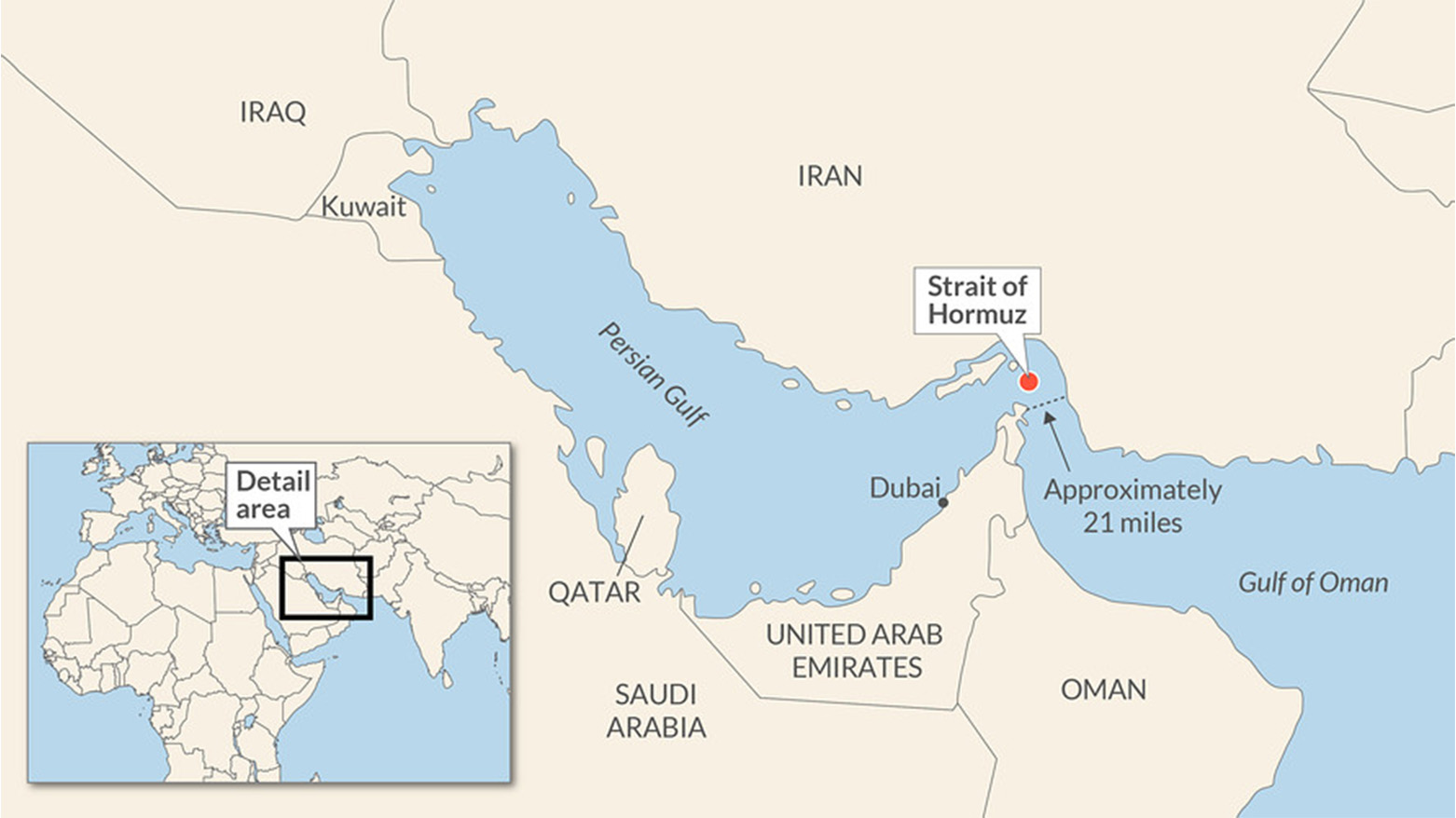
ERBIL (Kurdistan24) - The United Arab Emirates has issued a formal demand for the immediate and unconditional restoration of maritime traffic through the Strait of Hormuz, according to reporting by Sky News Arabia.
The call, delivered during a high-level United Nations Security Council debate, emphasizes the urgent need for international accountability regarding the obstruction of one of the world's most critical energy corridors.
As detailed by Sky News Arabia, UAE Minister of State Khalifa Shaheen Almarar addressed the Council during an open debate focused on the safety of maritime corridors, held under the presidency of the Kingdom of Bahrain.
Almarar characterized the current interference with the waterway as an illegal obstruction and argued that allowing the passage to be utilized as a mechanism for political leverage sets a hazardous precedent for global commerce.
The diplomatic push at the UN coincides with significant domestic and regional security measures. In reporting by the Emirates News Agency (WAM), the UAE Ministry of Foreign Affairs has implemented a strict travel ban for its citizens to several regional states, reflecting an escalating risk environment.
In parallel, the UAE is engaging in intensified coordination with its neighbors through the Gulf Co-operation Council (GCC) to bolster collective defense and infrastructure resilience, as detailed by The National.
Institutional Demands for Maritime Access
During his address to the UN Security Council, Almarar underscored that the international community must ensure the Strait of Hormuz remains open for unrestricted transit passage in full alignment with international law, according to Sky News Arabia.
He referenced Security Council Resolution 2817, which explicitly condemns any measures by Iran designed to interfere with or block navigation through the strait.
In reporting by Sky News Arabia, Almarar highlighted that recent resolutions from the International Maritime Organization (IMO) and the UN Human Rights Council reinforce the global consensus against illegal maritime acts.
The Minister warned that if such obstructions are permitted to persist, they will fundamentally undermine the stability required for the international system.
The UAE Minister further reviewed what Sky News Arabia described as "treacherous violations," including the reported laying of mines, the imposition of unlawful fees on transit vessels, and the practice of discrimination among foreign ships.
Almarar stated that the UAE holds Iran responsible for these actions and maintains that compensation is required for damages to the marine environment and sea-based commerce, according to the Sky News Arabia report.
The economic ramifications of the closure are already being felt globally. Almarar noted that the blockade impacts energy security, critical supply chains, and the availability of fertilizers and food, which are particularly vital for the Global South.
Sky News Arabia reported that the UAE has expressed its readiness to participate in collective international efforts to ensure the sustainable and unconditional reopening of the waterway.
Domestic Travel Restrictions and Risk Mitigation
While pursuing diplomatic remedies at the UN, the UAE has taken definitive steps to safeguard its population.
According to the Emirates News Agency (WAM), the Ministry of Foreign Affairs (MoFA) has officially announced a travel ban for all UAE nationals intending to visit Iran, Lebanon, and Iraq.
The Ministry has called upon any Emirati citizens currently residing within those three countries to expedite their immediate return home.
WAM said in a statement that these measures are part of the UAE's commitment to monitoring the wellbeing of its nationals and ensuring their safety amidst "current regional developments."
To facilitate this, the Ministry has established a dedicated emergency contact line for citizens abroad, as detailed by WAM.
This policy shift was also highlighted by The National, which noted that the affected countries are central to the regional conflict that began in February.
According to The National, while a ceasefire had previously lowered tensions, naval blockades and stalled peace talks have maintained a high-risk profile for travelers in the region.
Regional Coordination and GCC Diplomacy
The UAE's broader strategy involves a renewed focus on Gulf solidarity.
Writing for The National, Mohamad Ali Harisi reported that a recent GCC consultative summit in Jeddah was described by a UAE official as a "first good step in the right direction."
The meeting, attended by Sheikh Abdullah bin Zayed, UAE Deputy Prime Minister and Minister of Foreign Affairs, focused on addressing the precarious regional backdrop.
According to The National, Gulf leaders are seeking to accelerate the completion of a joint regional missile warning system.
GCC Secretary General Jasem Al Budaiwi further noted that the summit emphasized the need to expedite critical projects related to oil, gas, and water infrastructure.
Diplomatic adviser Dr. Anwar Gargash emphasized the necessity of restoring "Gulf unity and solidarity," asserting that the region cannot allow external actors to dictate security priorities.
As detailed by The National, these discussions took place as the UAE officially prepared to withdraw from OPEC, a policy move taking effect on May 1 aimed at long-term future planning.
While the country is revising its role in various multilateral organizations, an official told The National that it is not currently considering any further withdrawals.
International Maritime Security Frameworks
The situation in the Strait of Hormuz has also triggered a dual-track response from Western powers.
Agence France-Presse (AFP) reported that the United States is launching an international coalition known as the "Maritime Freedom Construct" to restart shipping in the route.
France's Foreign Minister, Jean-Noel Barrot, stated that the U.S.-led effort is intended to complement, rather than compete with, a separate maritime mission spearheaded by France and Britain.
Speaking in Abu Dhabi, Barrot informed Gulf allies that the UK-France initiative is currently at an "advanced stage," according to AFP.
As detailed by AFP, the French diplomat clarified that the U.S. mission is of a different nature than the European-led bid.
While the U.S. has urged oil-reliant nations to take more responsibility for the waterway, France and the UK have been leading separate discussions with more than 50 countries regarding maritime security, according to reporting by AFP.
The UAE's position remains anchored in the necessity of a sustainable solution.
As noted by Sky News Arabia, Minister Almarar participated in a press encounter with representatives from over 90 countries, who issued a unified message demanding an immediate end to illegal measures in the Strait of Hormuz to protect the rights of all nations to free navigation.