Trump Signals Continued Iran Talks, Defends Tariffs
US president outlines stance on Iran negotiations, EU trade, and regional tensions
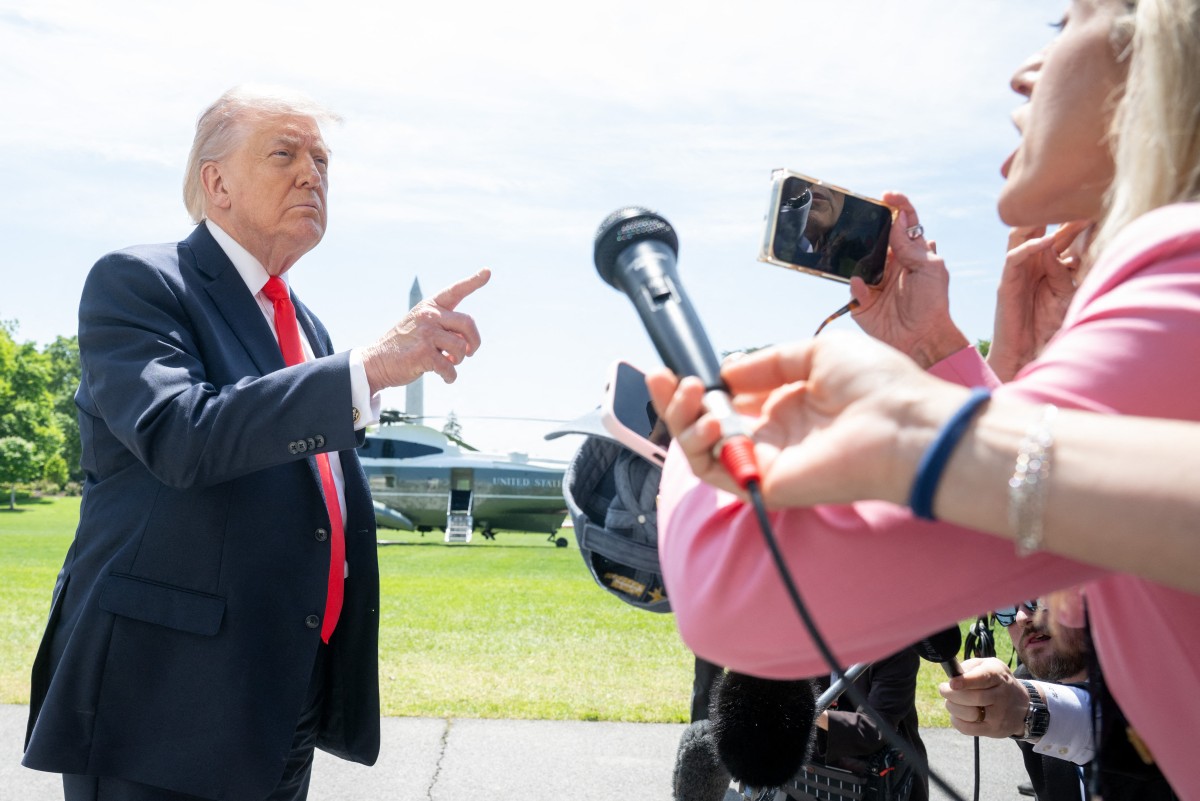
ERBIL (Kurdistan 24) - Donald Trump said negotiations with Iran are ongoing but remain inconclusive, while defending new tariffs on European auto imports, during a press exchange before departing for Florida.
Speaking to reporters late Friday, Trump indicated that diplomatic engagement with Iran is continuing primarily through indirect and remote channels rather than in-person meetings.
“We’re doing everything in terms of negotiating right now… telephonically,” he said, adding that progress has been limited and uncertain.
He described Iran’s leadership as fragmented, suggesting internal divisions are complicating efforts to reach an agreement.
“The leadership is very disjointed… they have two to three groups, maybe four,” Trump said, noting that while different factions appear interested in a deal, they lack cohesion.
Trump also addressed Pakistan’s role in facilitating contacts between Washington and Tehran, expressing respect for the country’s leadership while signaling that travel for direct talks is not currently a priority.
“We have great respect for Pakistan… but the trip is a very long one,” he said, indicating that negotiations are continuing without immediate plans for high-level visits.
When asked about potential next steps if diplomacy fails, Trump outlined a stark choice between continued negotiations and military escalation.
“Do we want to go and just blast the hell out of them… or do we want to try and make a deal?” he said, adding that he would prefer a non-military outcome but that both options remain under consideration.
He also pointed to the impact of ongoing operations, claiming Iran’s military capabilities have been significantly weakened.
On trade, Trump defended his decision to raise tariffs on European Union car and truck imports to 25%, citing non-compliance with existing trade agreements.
“We raised the tariffs… because they were not adhering to the agreement,” he said, adding that the policy is intended to push manufacturers to relocate production to the United States.
He highlighted more than $100 billion in automotive investment currently underway in the U.S., describing it as unprecedented and driven in part by tariff policies.
Trump said his upcoming visit to China and meeting with Xi Jinping would proceed as planned, describing it as an “amazing” and important diplomatic engagement.
He also expressed optimism about U.S. economic performance, pointing to record stock market levels and employment figures, while acknowledging that high fuel prices remain a concern linked to the ongoing conflict.
The remarks come amid heightened tensions tied to the Iran conflict, disruptions in the Strait of Hormuz, and stalled diplomatic efforts following initial talks in Pakistan earlier in April.
At the same time, U.S.-EU trade relations have come under renewed strain after Washington imposed higher tariffs on automotive imports, raising the risk of retaliatory measures.
Trump’s comments highlight a dual-track approach that combines continued diplomatic outreach with economic pressure and the possibility of military action, as the administration navigates complex geopolitical and economic challenges.