Three Car Manufacturing Plants to Be Established in Kurdistan Region
Three Chinese-backed car manufacturing projects are set to launch in the Kurdistan Region, boosting industrial growth and job creation
ERBIL (Kurdistan 24) - The Kurdistan Regional Government (KRG) is moving forward with plans to establish three automobile manufacturing projects in the region, in partnership with Chinese companies, as part of broader efforts to expand industrial capacity and diversify the economy.
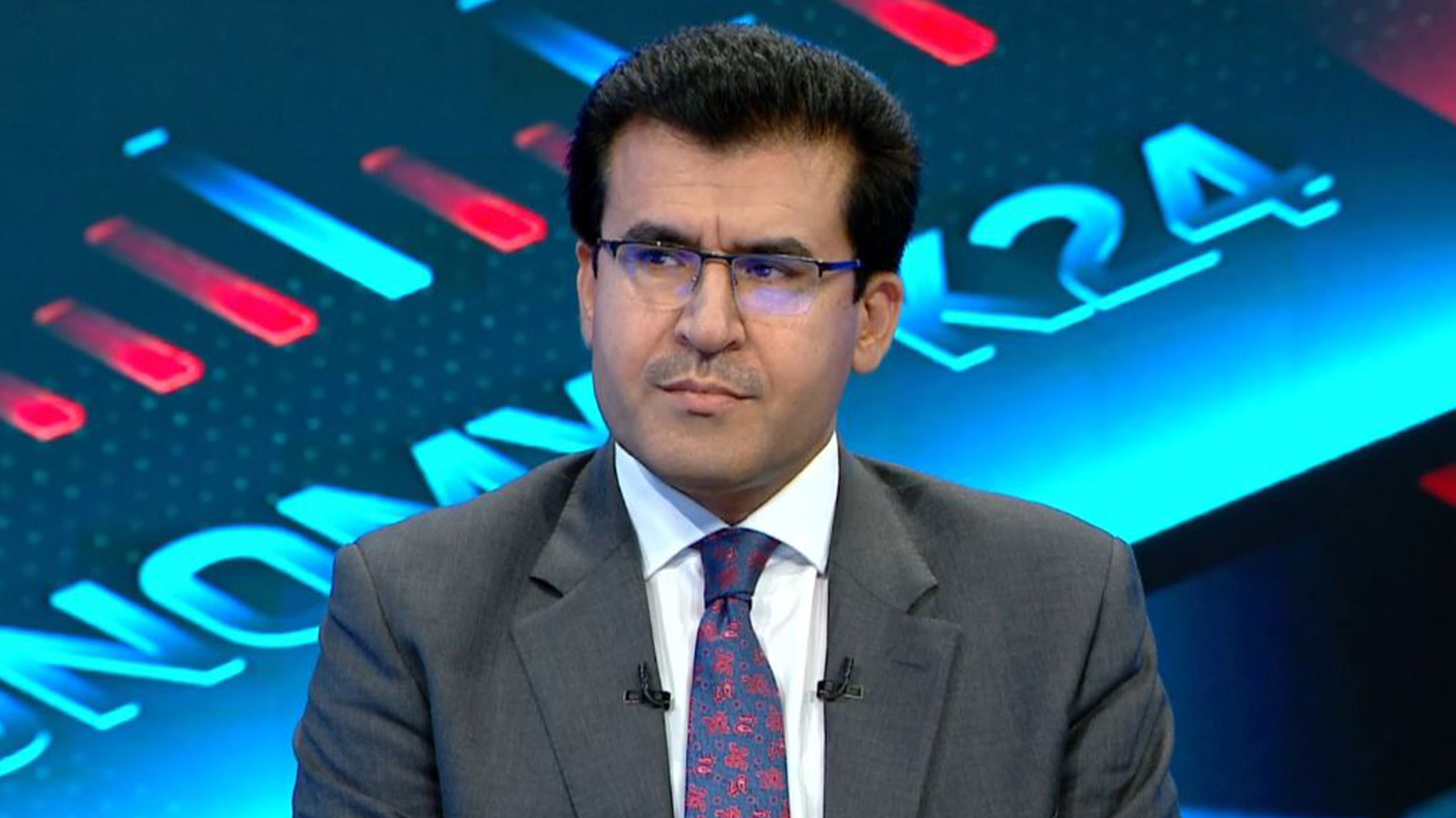
On Saturday, Pshtiwan Hama Saeed, Director General of Industrial Cities and Zones, told Kurdistan 24 that three Chinese companies are preparing to begin operations in the Kurdistan Region’s automotive sector in the near future.
He said the projects aim at supporting economic growth and creating new job opportunities, as the region continues to attract foreign investment.
According to the official, total foreign investment in the Kurdistan Region has reached $11 billion, distributed across 54 projects in various sectors, reflecting a strong upward trend in investor confidence.
Hama Saeed explained that the growing use of Chinese vehicles in the Kurdistan Region has encouraged companies to invest locally, leading to the proposal of three major projects.
The projects include one facility dedicated to electric vehicle production, alongside two plants focused on assembling automotive components.
He confirmed that the KRG has already approved the two assembly projects, which are currently in the stage of land allocation and site selection.
The Kurdistan Region’s industrial sector has been gradually expanding over the past decade, with a shift from a predominantly oil-dependent economy toward more diversified production.
Government data and planning frameworks indicate that:
- The region hosts dozens of industrial zones and parks, supporting manufacturing activities.
- Industry and construction sectors account for a growing share of non-oil GDP.
- Thousands of jobs have been created through industrial and infrastructure projects.
In recent years, authorities have prioritized sectors such as construction materials, food processing, energy, and light manufacturing, while increasingly focusing on higher-value industries like automotive assembly and technology-linked production.
The introduction of industrial investment laws and incentives has played a key role in attracting international companies, particularly from China, Turkey, and Gulf countries.
The DG emphasized that these automotive projects will not only meet domestic demand but could also serve regional markets, positioning the Kurdistan Region as an emerging manufacturing hub.
He added that the projects are expected to generate significant employment opportunities, particularly for young workers, while contributing to the development of industrial infrastructure.
The launch of automobile manufacturing projects marks a notable step in the Kurdistan Region’s industrial development, signaling a transition toward more diversified economic growth and increased integration into regional production networks.