Trump Reviews Iranian Peace Proposal, Signals Doubt as Tensions Persist
Ceasefire Stalemate Deepens Amid Threats of Renewed Conflict and Economic Strain
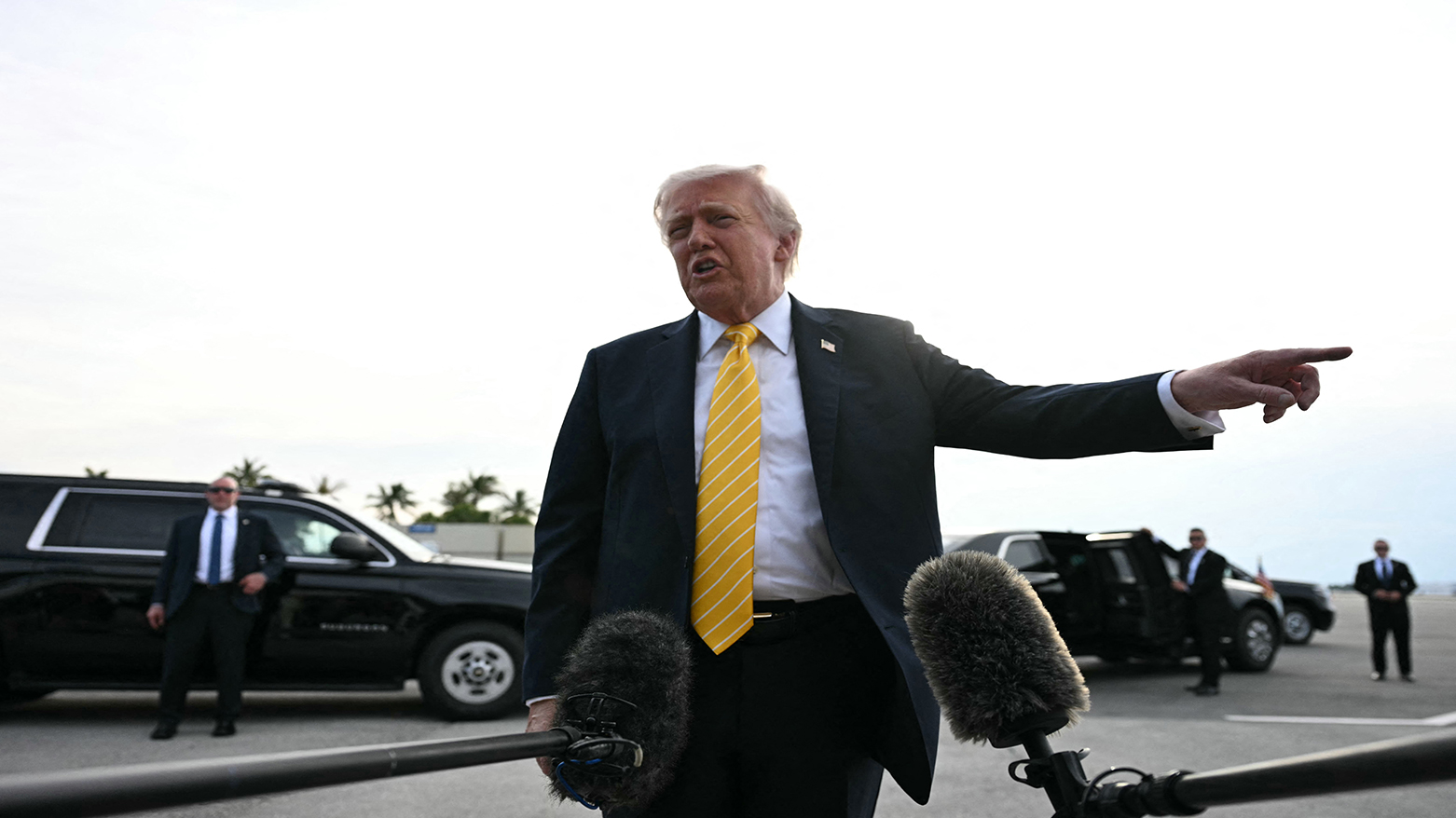
ERBIL (Kurdistan24) — US President Donald Trump said late Saturday he will review a newly submitted Iranian peace proposal but expressed skepticism over its viability, while leaving open the possibility of renewed military action against Tehran.
Negotiations between Washington and Tehran have remained deadlocked since a ceasefire took effect on April 8, following more than two months of conflict. A recent round of peace talks held in Pakistan failed to produce a breakthrough, further dimming hopes for a near-term resolution.
Iranian outlets Tasnim News Agency and Fars News Agency reported that Tehran had submitted a 14-point proposal to mediator Islamabad. The plan reportedly includes provisions to end hostilities across multiple fronts and establish a new framework governing the strategic Strait of Hormuz.
“I will soon be reviewing the plan that Iran has just sent to us, but I can't imagine that it would be acceptable,” Trump wrote on his Truth Social platform, adding that Iran had “not yet paid a big enough price” for its actions over decades.
Speaking briefly to reporters in West Palm Beach, Florida, Trump declined to specify what actions by Iran could trigger renewed US strikes. “If they misbehave, if they do something bad... it’s a possibility,” he said.
On the Iranian side, senior military official Mohammad Jafar Asadi warned that a renewed confrontation with the United States remains likely, accusing Washington of failing to uphold commitments.
Meanwhile, Deputy Foreign Minister Kazem Gharibabadi said Tehran is prepared for both diplomacy and escalation, placing responsibility on Washington to determine the path forward.
Tensions have also sharpened over Iran’s nuclear program. According to Axios, Trump’s envoy Steve Witkoff has pushed to bring Tehran’s nuclear activities back into negotiations.
Iran’s mission to the United Nations responded by accusing the United States of “hypocritical behavior,” pointing to its own nuclear arsenal and asserting that uranium enrichment under International Atomic Energy Agency supervision remains lawful.
Control over the Strait of Hormuz has emerged as a central flashpoint. Iran has maintained a blockade since the war began, significantly disrupting global flows of oil, gas, and fertilizer, while the United States has imposed countermeasures targeting Iranian ports. As a result, global oil prices have surged roughly 50 percent above pre-war levels.
Iranian parliamentary figure Ali Nikzad said draft legislation under consideration would allocate 30 percent of toll revenues from the waterway to military infrastructure, with the remainder directed toward economic development. “Managing the Strait of Hormuz is more important than acquiring nuclear weapons,” he said.
Beyond the Gulf, regional violence continued to escalate. In southern Lebanon, Israeli forces conducted extensive strikes against positions held by Hezbollah despite an existing truce.
Lebanon’s National News Agency reported at least three fatalities, while Hezbollah claimed retaliatory attacks against Israeli troops.
One strike in the village of Yaroun damaged a religious building, which the Israeli military described as a militant target. However, French Catholic charity L'Oeuvre d'Orient said the attack destroyed a convent affiliated with the Salvatorian Sisters, raising concerns over civilian and religious site protection.
In Washington, domestic political tensions are also rising. Lawmakers are debating whether Trump violated a statutory deadline requiring congressional authorization for prolonged military engagement.
Administration officials argue the ceasefire effectively paused a 60-day authorization clock, a claim disputed by opposition Democrats.