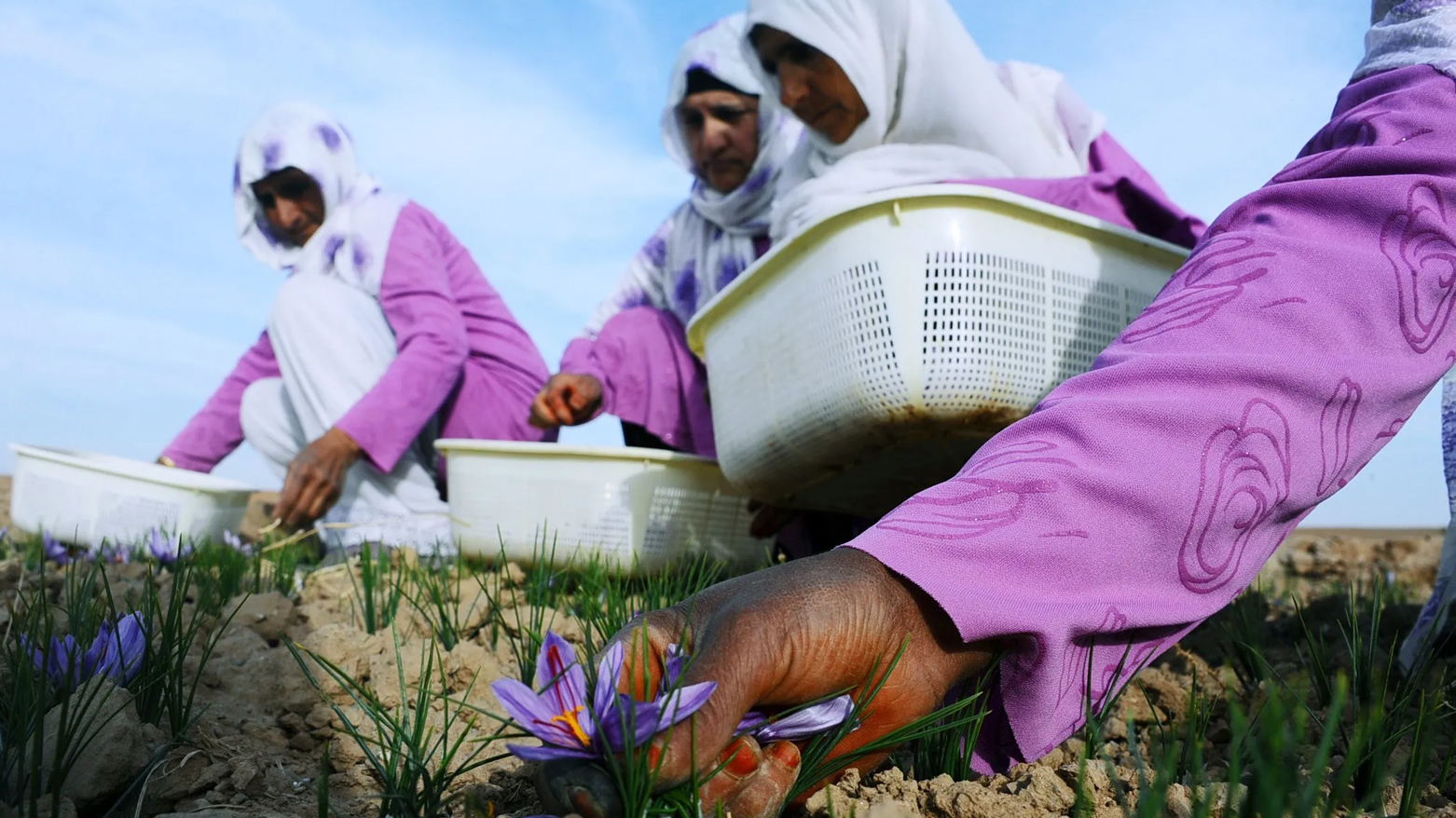
Iranian Internet Blackout Boosts Afghanistan's Saffron Trade
The sustained disruption in digital communications has isolated Iranian saffron producers from their international clientele, creating a market vacuum that is increasingly being filled by traders operating out of neighboring Afghanistan.

ERBIL (Kurdistan24) - An ongoing national internet blackout in the Islamic Republic of Iran has severely disrupted the country’s agricultural export capacity and broader digital economy, prompting a significant shift in global saffron trade networks.
The sustained disruption in digital communications has isolated Iranian saffron producers from their international clientele, creating a market vacuum that is increasingly being filled by traders operating out of neighboring Afghanistan.
The communications blackout, which has lasted for several months, was implemented following decisions made at the highest levels of the Iranian government.
According to statements by Amir-Hossein Sabeti, a member of the Iranian Parliament, the internet disruption was approved by the Supreme National Security Council, chaired by Masoud Pezeshkian.
Sabeti noted that the international internet connection will not be restored in the near future.
The economic consequences of this policy are profound.
According to reporting by The Associated Press (AP), the prolonged nationwide shutdown is devastating an economy already weakened by international sanctions and previous currency crises.
The digital isolation has paralyzed Iran's saffron market, a sector where the country historically supplied 90% of global requirements.
With international digital access severed, Afghan traders have capitalized on the communications failure, purchasing Iranian saffron at diminished prices through informal channels and re-exporting the product under Afghan branding.
The annual value of this redirected saffron trade is currently estimated at $1.5 billion.
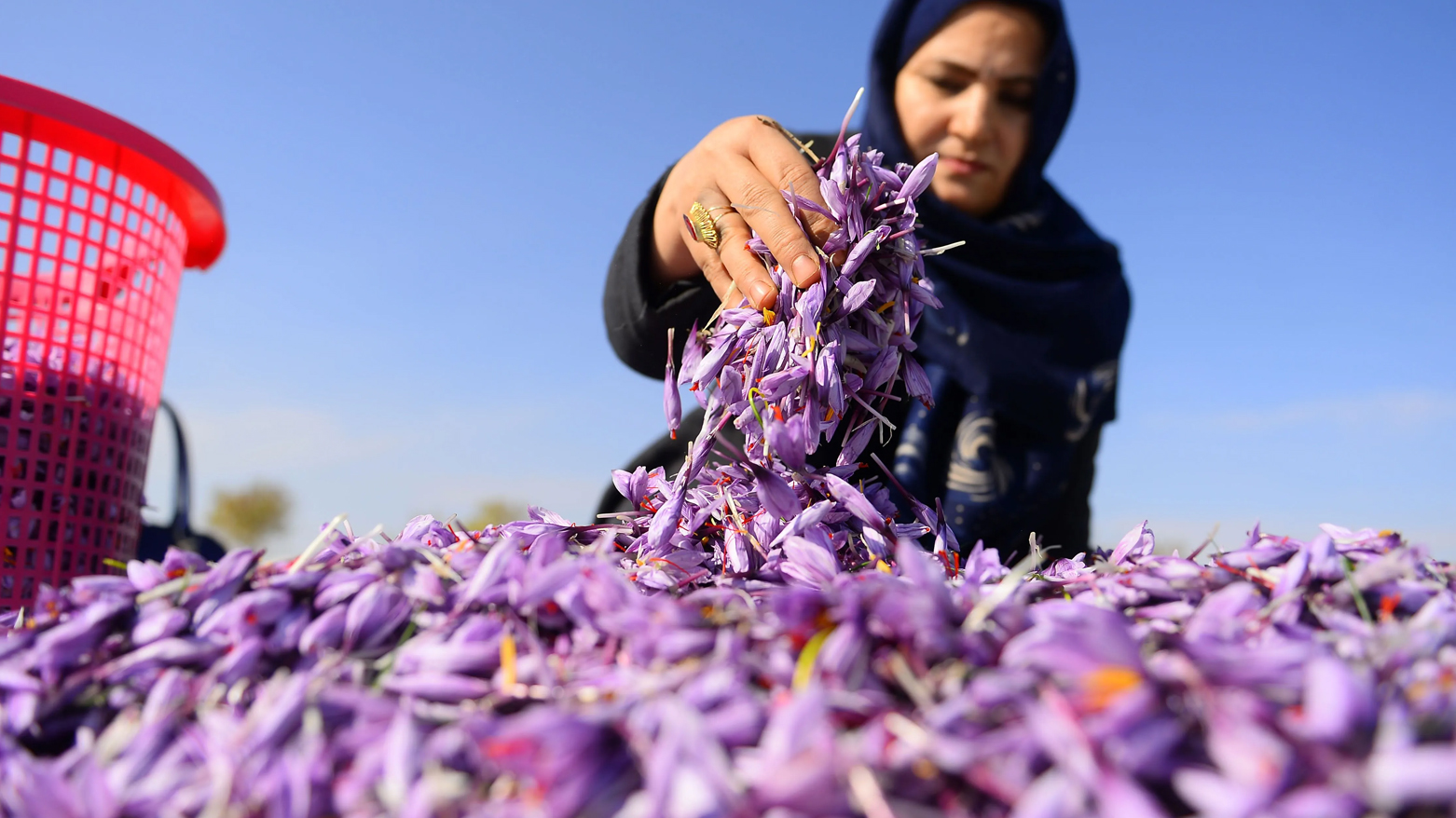
Internet Disruption and Export Constraints
The impact of the blackout on Iranian exporters represents just one facet of a massive macroeconomic disruption.
As detailed by Associated Press journalists Nasser Karimi, Mehdi Fattahi, and Amir-Hussein Radjy, the government cut off global web access following mass protests in January and imposed a complete blackout in late February, framing the measure as a wartime necessity.
AP reporting indicates that the shutdown costs the Iranian economy between $30 million and $40 million per day in direct losses alone, with indirect financial damages potentially doubling that figure.
For the agricultural sector, the lack of connectivity has dismantled essential commercial infrastructure.
IranWire reported that Mohsen Ehtesham, the Chairman of the National Saffron Council, stated the digital restrictions have dealt a severe blow to exporters.
According to IranWire, Ehtesham explained that many exporters find it impossible to maintain contact with foreign clients or coordinate the timely dispatch of their goods to primary markets in Europe and China.
The disruption is so comprehensive that exporters are often unable to verify whether their shipments have reached their intended international destinations.

According to IranWire, the inability to conduct basic commercial communications has eroded the overall standing of Iranian saffron in the global market.
Furthermore, AP journalists noted that traditional methods of bypassing these digital restrictions, such as virtual private networks (VPNs), have been rendered either technically ineffective or prohibitively expensive for the average citizen.
While authorities have reportedly issued less-restricted "white" SIM cards to senior officials and select businesses, this tiered system has drawn sharp criticism from local trade groups who warn it threatens to destroy the nation's commercial infrastructure from within, according to the Associated Press.
Afghanistan’s Expanding Market Role
The logistical paralysis facing Iranian exporters has generated a distinct economic advantage for traders in Afghanistan.
According to Radio Free Europe/Radio Liberty (RFE/RL), the crisis in Iran has provided a unique opportunity for Afghan saffron dealers to expand their footprint in the global spice market.
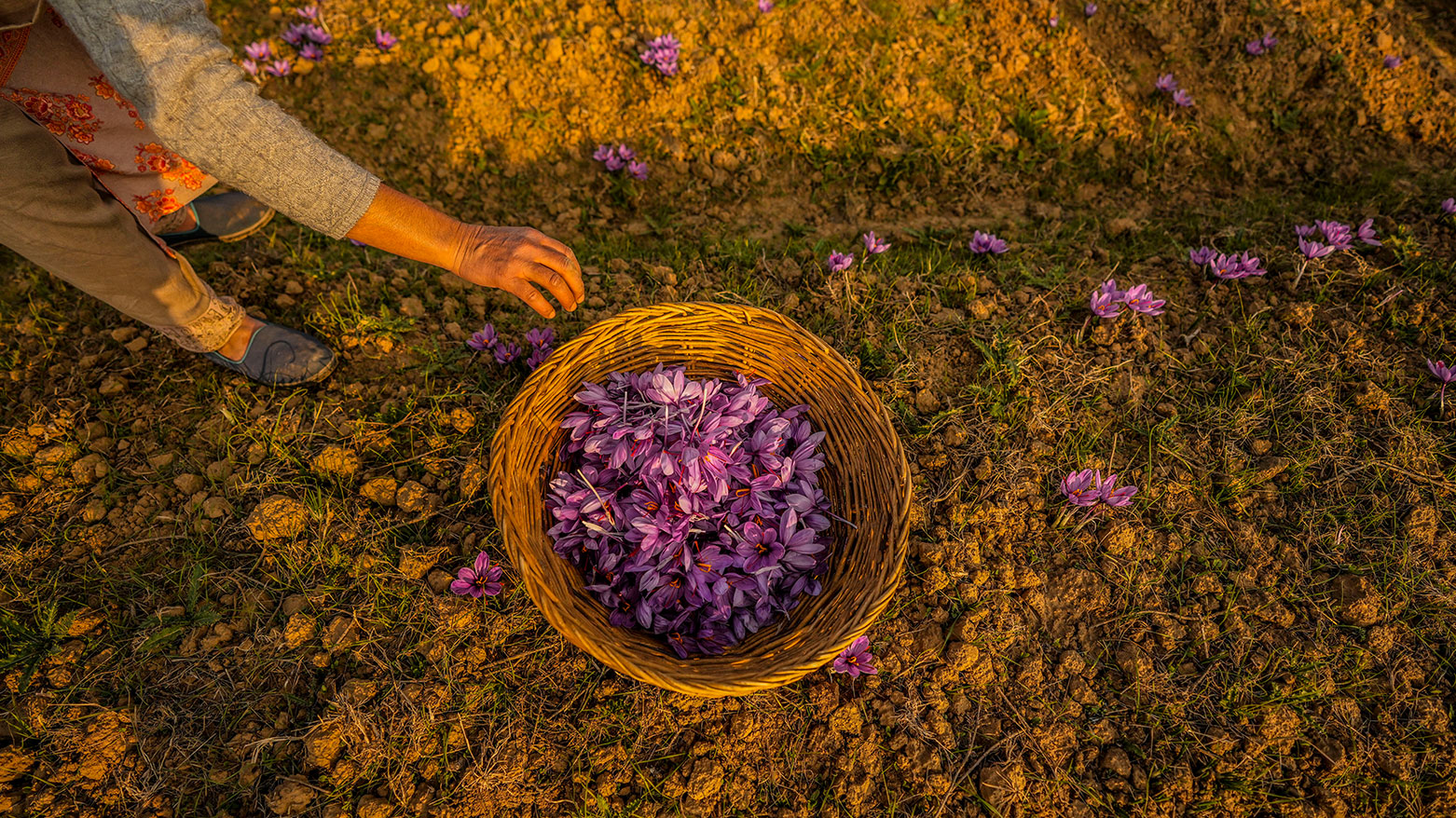
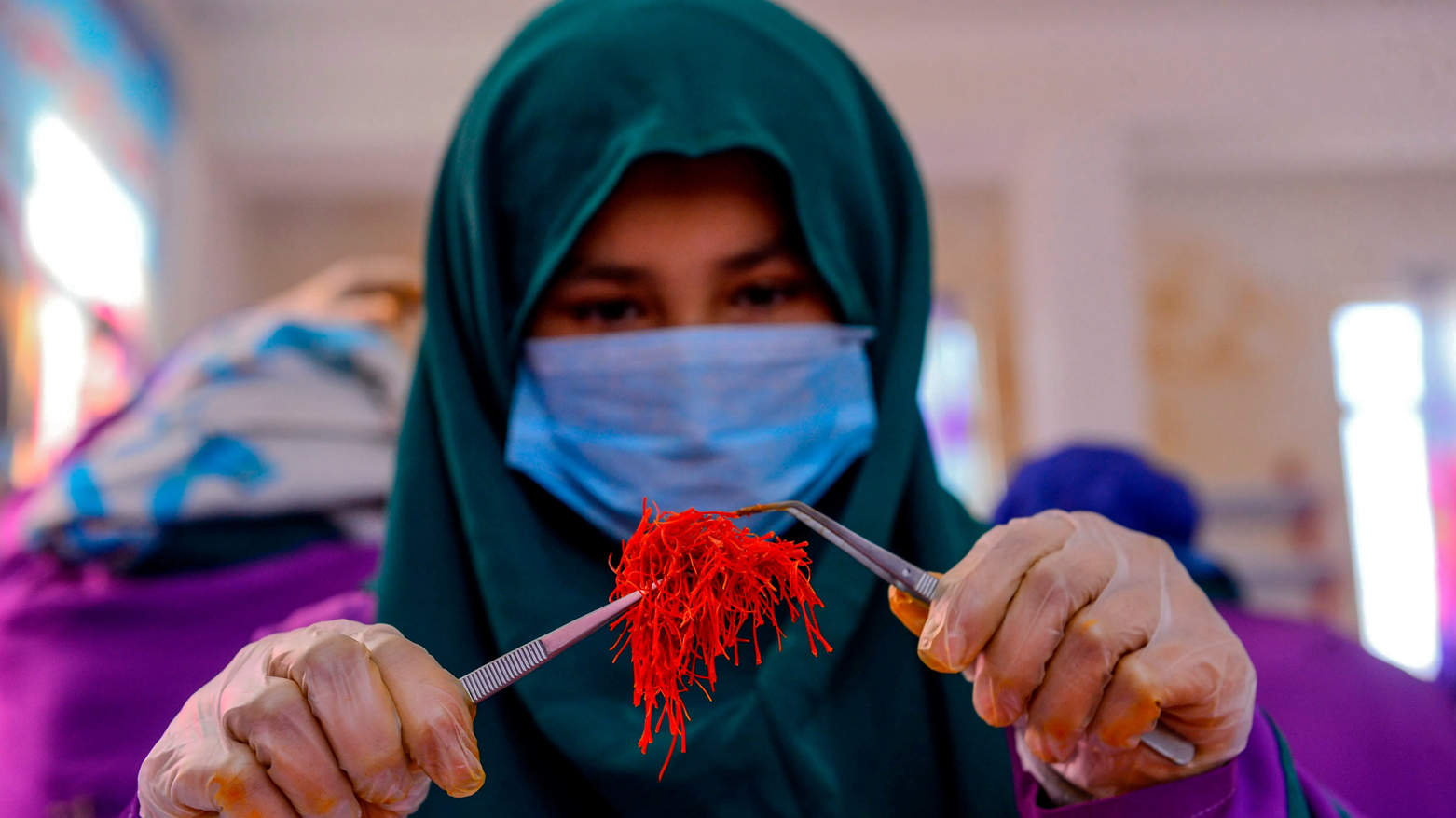
RFE/RL journalists noted that the saffron crocus requires a highly laborious, hand-picking process, making it one of the most expensive agricultural products per kilogram globally.
With Iranian producers, who typically yield approximately 50 tons of top-grade saffron, cut off from the global web, Afghan traders have begun acquiring the stock that would normally be sold online to Western and Asian markets.
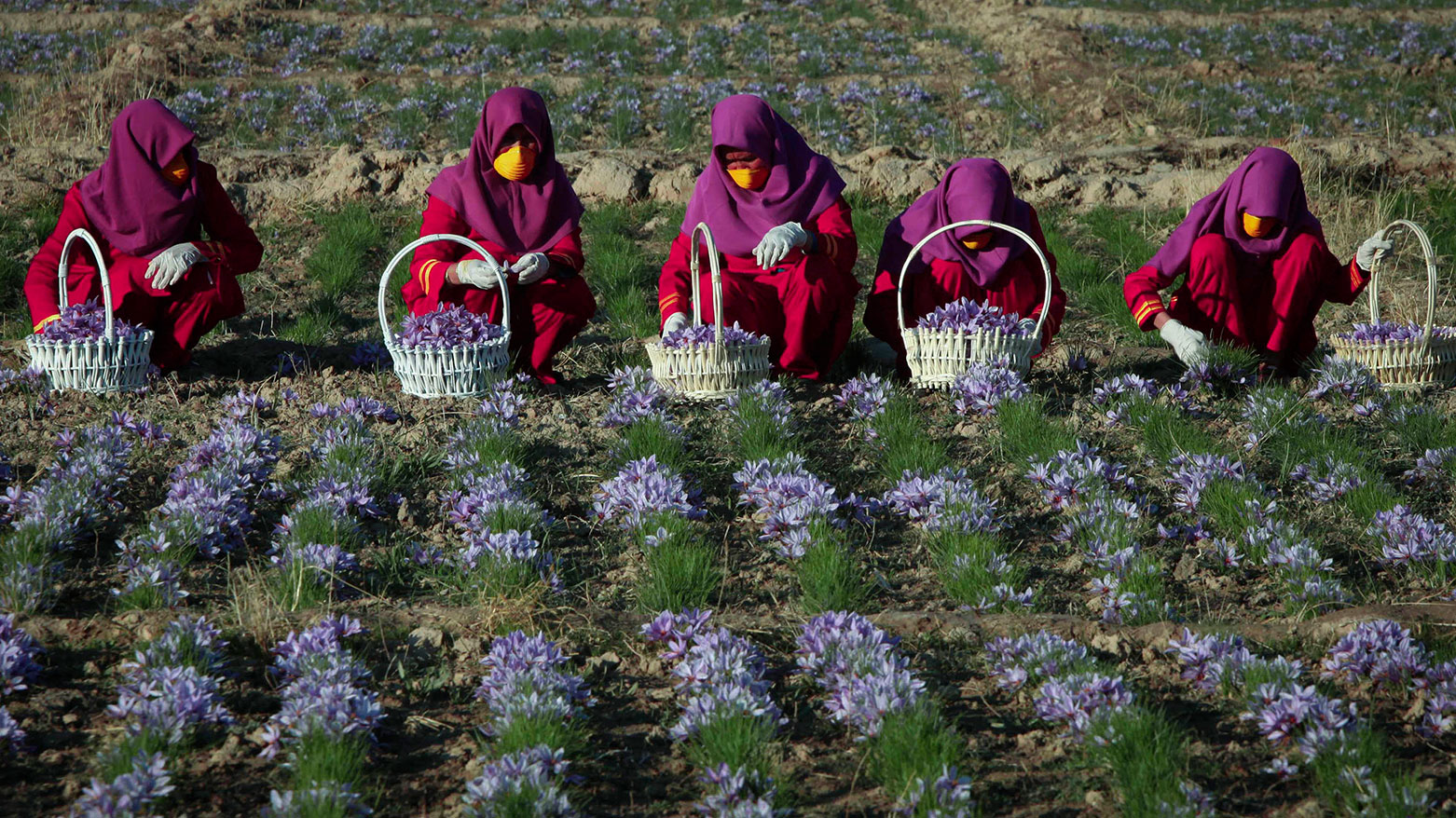
According to RFE/RL reporting, Abdullah Kheyrandish, an Afghan saffron exporter, confirmed that the lack of internet access in Iran has directly influenced purchasing patterns, noting that international customers have actively turned to Afghanistan to fulfill their supply needs.
Nesar Ahmad Ataei, an Afghan saffron producer, similarly told RFE/RL that the export of Afghan saffron has increased significantly due to the effective closure of Iranian commercial routes.
Structural Damage to the Digital Economy
The shift in the saffron trade mirrors a wider collapse across Iran's formal digital economy.
In reporting by the Associated Press, journalists Karimi, Fattahi, and Radjy highlighted that an estimated 10 million jobs in Iran are directly tied to internet connectivity.
The AP detailed how the blackout has devastated various sectors, forcing major e-commerce platforms like DigiKala to initiate layoffs while entirely wiping out the sales channels of independent retailers and creatives who previously relied on platforms like Instagram to reach consumers.
Faced with a complete global blackout, the entire nation of 90 million people has been forced onto a heavily controlled national intranet.
However, according to the Associated Press, these domestic alternatives suffer from poor security, slow speeds, and frequent technical issues, rendering them inadequate for sustaining modern digital commerce.
This technological isolation is visibly altering the economic landscape of Iranian cities.
As formal employment opportunities and remote work sectors vanish, the AP reports a significant rise in the number of informal street vendors operating in Tehran.
Individuals who previously ran successful online businesses or held positions in the technology sector are now resorting to street peddling to survive, underscoring the deep structural damage inflicted by the state's ongoing communications blackout.
Global Saffron Supply Dynamics
The pivot to Afghan intermediaries highlights structural vulnerabilities within the global saffron trade.
Radio Free Europe/Radio Liberty reported that despite Iran's historical dominance over the world's top-quality supply, the current reliance on digital infrastructure means that state-level internet shutdowns immediately fracture international supply chains.
The mechanism by which Afghan traders absorb the Iranian supply often bypasses formal regulatory structures.
According to RFE/RL, transactions between Iranian sellers and Afghan buyers frequently occur informally to avoid bureaucracy and taxation, a shift insiders suggest is a predictable market response when official online sales channels are dismantled by government policy.
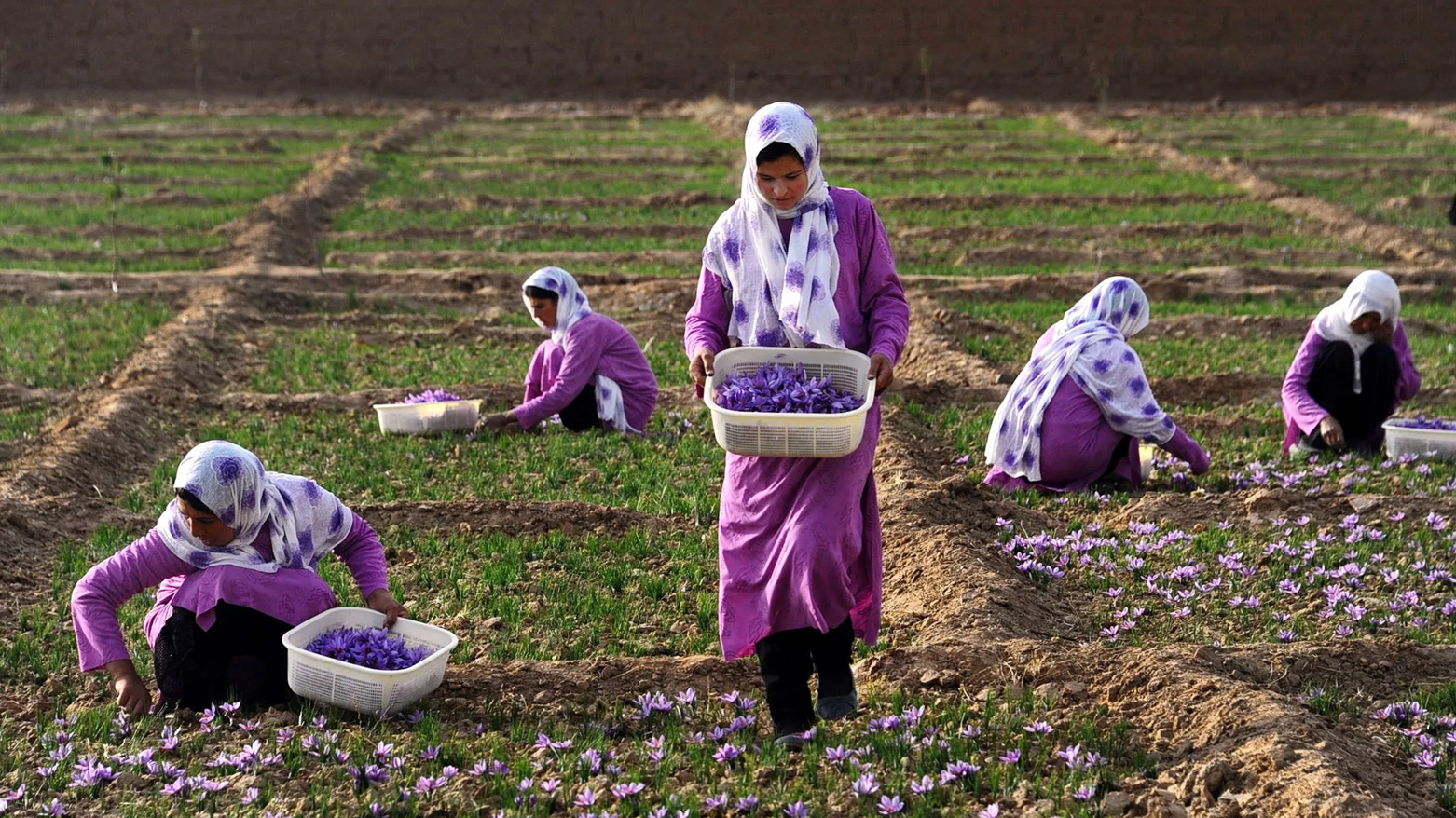
IranWire reported that the National Saffron Council views this shift as a direct threat to the country's agricultural brand.
Ehtesham emphasized that foreign competitors are now actively registering and supplying Iranian-grown saffron to global markets under their own national identity.
According to IranWire, this practice not only diverts essential revenue away from Iran but allows rival markets to permanently capture buyers who previously sourced directly from Iranian producers.