Pakistan Opens Overland Trade Routes to Iran Amid Strait of Hormuz Disruptions
Pakistan opened six official land routes to Iran under a government order, responding to maritime disruptions and stranded cargo
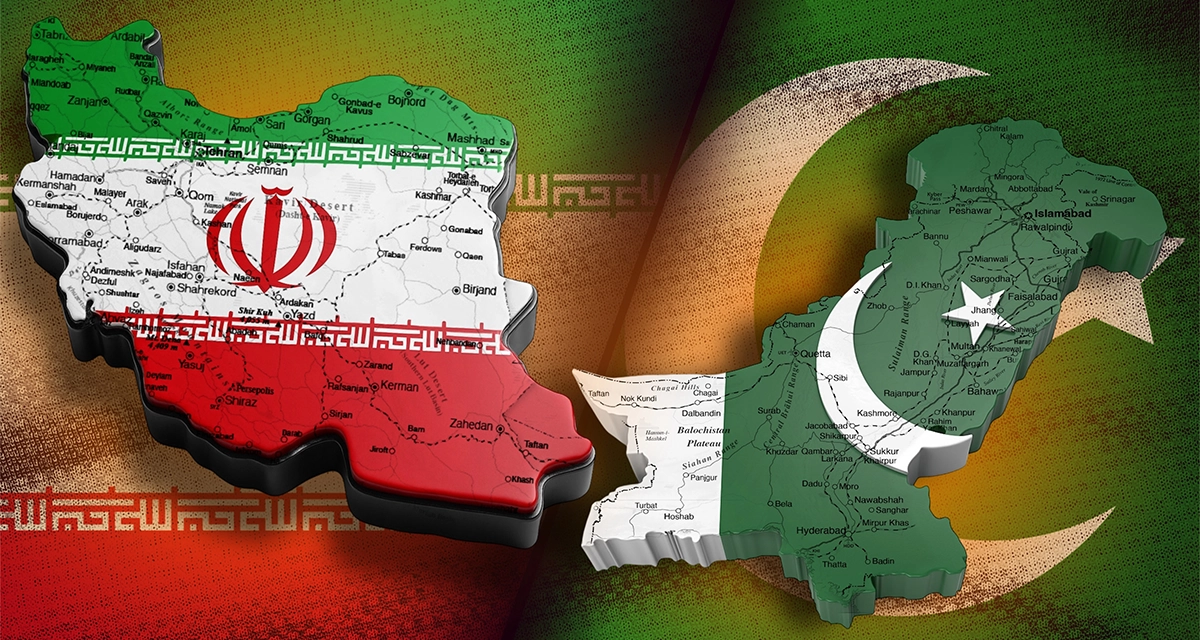
ERBIL (Kurdistan24) - Pakistan has officially announced the opening of six overland transit routes for goods destined for Iran on April 30 to creating a new trade corridor through its territory as maritime routes remain disrupted due to ongoing tensions in the Strait of Hormuz.
The move was formalized through the Transit of Goods through Territory of Pakistan Order 2026 (which legally allows goods from other countries to pass through Pakistan’s territory and reach Iran by land) issued by Pakistan’s Ministry of Commerce on April 25, bringing the policy into immediate effect.
According to a government order issued on April 25 by Pakistan’s Ministry of Commerce, the framework allows goods originating from third countries to be transported through Pakistan and delivered to Iran by road, offering an alternative to sea routes affected by disruptions in the Strait of Hormuz.
According to Pakistan’s Ministry of Commerce, the initiative is designed to facilitate regional trade and strengthen Pakistan’s position as a key transit hub. Federal Minister for Commerce Jam Kamal Khan described it as “a significant step toward promoting regional trade and enhancing Pakistan’s role as a key trade corridor.” quoted by Aljazeera.
The official notification outlines six major routes linking Pakistan’s main ports Karachi, Port Qasim, and Gwadar, to Iranian border crossings at Gabd and Taftan. These routes pass through key areas in Balochistan, including Turbat, Panjgur, Khuzdar, Quetta, and Dalbandin, according to Aljazeera.
Officials noted that the Gwadar-Gabd corridor significantly reduces transit time to between two and three hours, compared to 16 to 18 hours from Karachi, potentially cutting transport costs by up to 45-55 percent.
The decision comes as more than 3,000 containers destined for Iran remain stranded at Karachi port, unable to be shipped due to maritime restrictions and rising costs.
War-risk insurance premiums have surged dramatically, from around 0.12% before the conflict to nearly 5%, making sea transport financially unviable for many operators.
The announcement coincided with the visit of Abbas Araghchi to Islamabad, where he held talks with Prime Minister Shehbaz Sharif and military leadership as part of ongoing mediation efforts between Tehran and Washington.
Pakistan has played a central diplomatic role in recent weeks, brokering a temporary ceasefire on April 8 and hosting the first round of U.S.-Iran talks on April 11. However, negotiations have since stalled, and maritime tensions have intensified following the U.S. naval blockade of Iranian ports.
The transit system is regulated under Pakistan’s Customs Act (1969) and is backed by a statutory regulatory order, requiring financial guarantees from traders equivalent to import levies.
The policy also explicitly excludes Indian-origin goods, maintaining restrictions imposed after the May 2025 India-Pakistan conflict.
The new corridor reflects a broader shift in regional trade dynamics. With Afghanistan routes becoming unreliable due to security tensions, Pakistan is positioning itself as a primary overland gateway linking Asia to Iran and beyond.
Pakistan’s decision to open overland routes to Iran highlights how conflict-driven disruptions are reshaping regional trade networks, as countries adapt to new economic and geopolitical realities.
Edited by Kamaran Aziz.