Islamabad Talks Approved by Supreme Leader, Says Iranian MP
Iranian lawmaker says Islamabad talks had Khamenei’s approval, as diplomacy proceeds alongside sanctions tensions and an oil tanker reportedly evades the U.S. naval blockade.
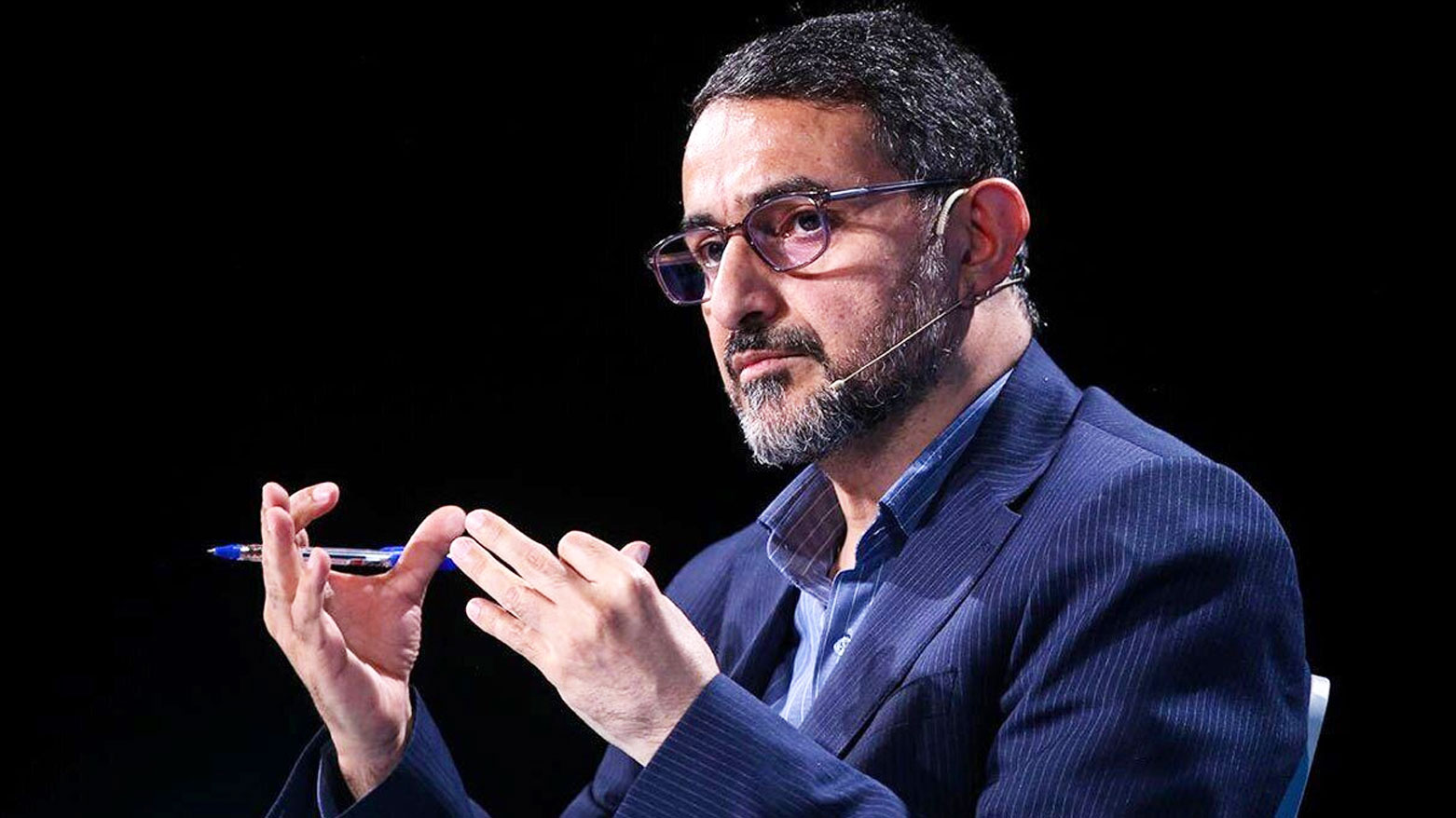
ERBIL (Kurdistan24) - A member of the National Security Committee in the Iranian Parliament stated that recent diplomatic negotiations held in Islamabad were conducted with the direct approval and knowledge of Mojtaba Khamenei. The claim, reported by the Iranian news agency "Mehr," provides new context regarding the internal political dynamics in Tehran and the role of the Supreme Leader's office in directing foreign policy following the recent regional conflict.
According to parliamentary remarks made by Mojtaba Zarei on Sunday, the authorization for the Islamabad talks serves as an indication of the supreme leadership's influence over strategic issues.
Zarei emphasized that, legally and politically, no form of negotiation is considered legitimate without obtaining official permission from the Supreme Leader of the Islamic Republic, adding that no party is allowed to decide independently on fateful issues.
The report stated that Zarei offered assurances that the final decision at all sensitive junctures rests solely with the Leader, stating that "everyone operates within the framework of the Supreme Leader's decisions."
The diplomatic maneuvering detailed in the parliamentary statement coincides with ongoing friction in the maritime domain.
According to reporting on tanker movement, an Iranian oil tanker broke through the U.S. naval blockade and reached Indonesian waters carrying an estimated $220 million in crude oil.
The successful transit of the vessel highlights the continued economic and logistical confrontation between Washington and Tehran, even as diplomatic channels are explored in regional capitals like Islamabad.
Parliamentary Statement on Islamabad Talks
The remarks by the National Security Committee member address the structural authorization of Iranian diplomacy.
According to the "Mehr" agency report, Zarei's comments were intended to clarify details regarding political decisions and foreign negotiations.
Zarei explicitly stated that the Islamabad negotiations were conducted with the approval and direct knowledge of Mojtaba Khamenei.
The parliamentary statement emphasized institutional cohesion within the Iranian government.
Zarei stated that there is "no kind of conflict between the institutions of power," aiming to project unity in the decision-making process.
The report noted that the remarks reinforce the constitutional mandate that the Supreme Leader maintains ultimate authority over strategic diplomatic engagements.
Reported Tanker Movement and Sanctions Context
While diplomatic efforts have occurred in Pakistan, the physical enforcement of sanctions continues at sea.
According to reporting on tanker movement, the maritime tracking website TankerTrackers announced on Sunday, that an Iranian oil tanker managed to evade the U.S. naval blockade.
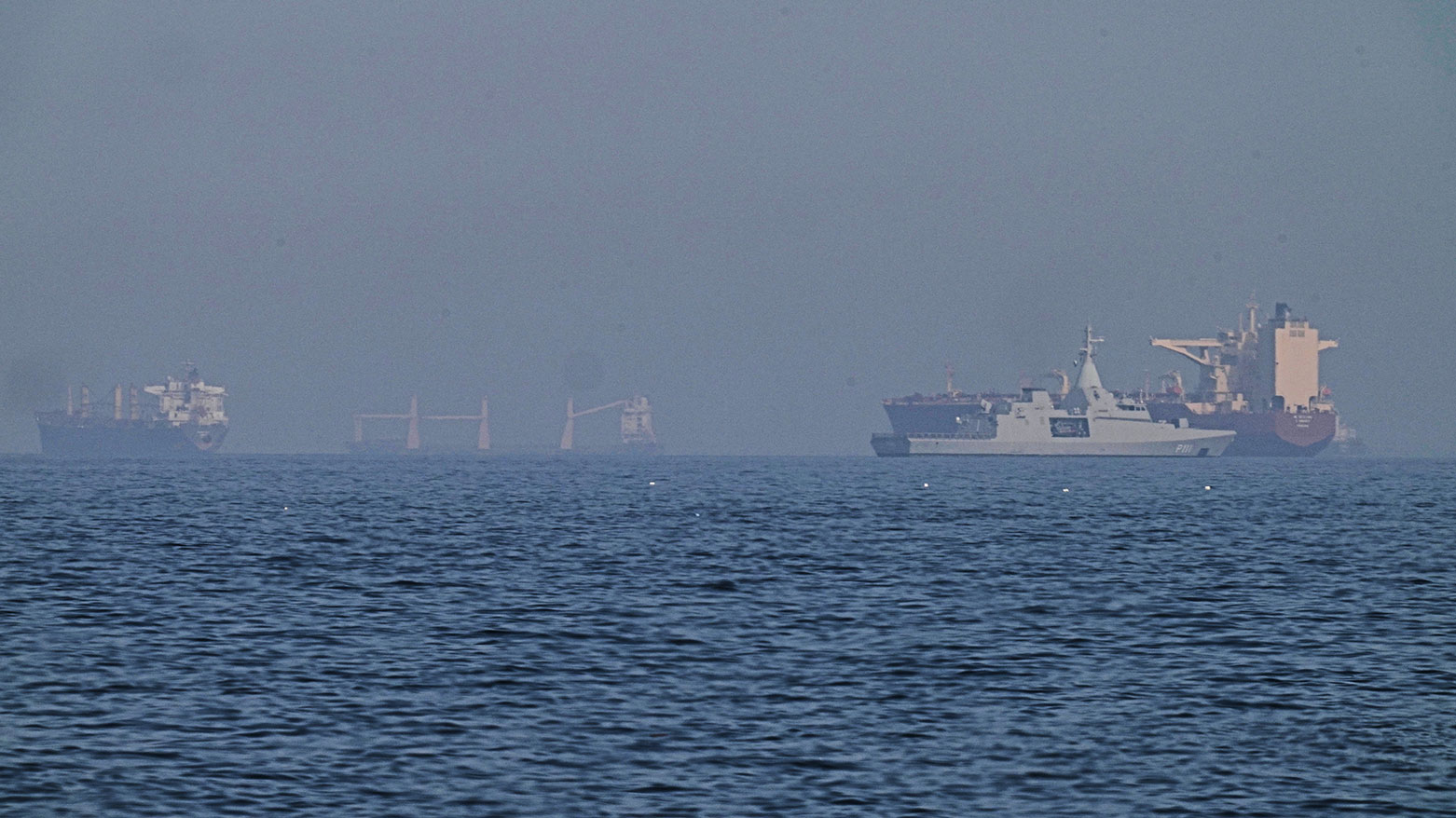
The site indicated that the vessel, identified as the VLCC (Very Large Crude Carrier) "HUGE," belongs to the National Iranian Oil Company and is carrying more than 1.9 million barrels of oil.
The report stated that the vessel was last seen near the coast of Sri Lanka and was later tracked passing through the Lombok Strait in Indonesia toward the Riau Islands.
According to the tracking data, the vessel turned off its Automatic Identification System (AIS) on March 20 after leaving the Strait of Malacca in order to evade detection.
A National Iranian Tanker Company (NITC) VLCC supertanker carrying over 1.9 million barrels (valued at nearly $220 million dollars) of crude oil has managed to evade the U.S. Navy and reach the Far East.
— TankerTrackers.com, Inc. (@TankerTrackers) May 3, 2026
Her name is HUGE (9357183), and we last sighted her off Sri Lanka over a… pic.twitter.com/dBf7QzPVkB
This maritime incident occurs alongside legislative developments regarding regional waterways.
The Iranian Parliament revealed on Saturday that it is preparing a draft law for the management of the Strait of Hormuz.
The report stated that the proposed law aims to account for international regulations and the rights of neighboring countries, while also indicating that ship traffic in the strait will not return to its pre-war status.
The U.S. naval blockade was imposed following Iran's closure of the strait in an effort to weaken the Iranian economy.
Supreme Leader's Status and Public Absence
The parliamentary confirmation of Mojtaba Khamenei's approval for the Islamabad talks comes amid intense international scrutiny regarding his physical condition.
Reports on Mojtaba Khamenei's health noted that the 56-year-old cleric assumed the role of Supreme Leader following the death of his father, Ayatollah Ali Khamenei, during the U.S.-Israeli strikes in late February 2026.
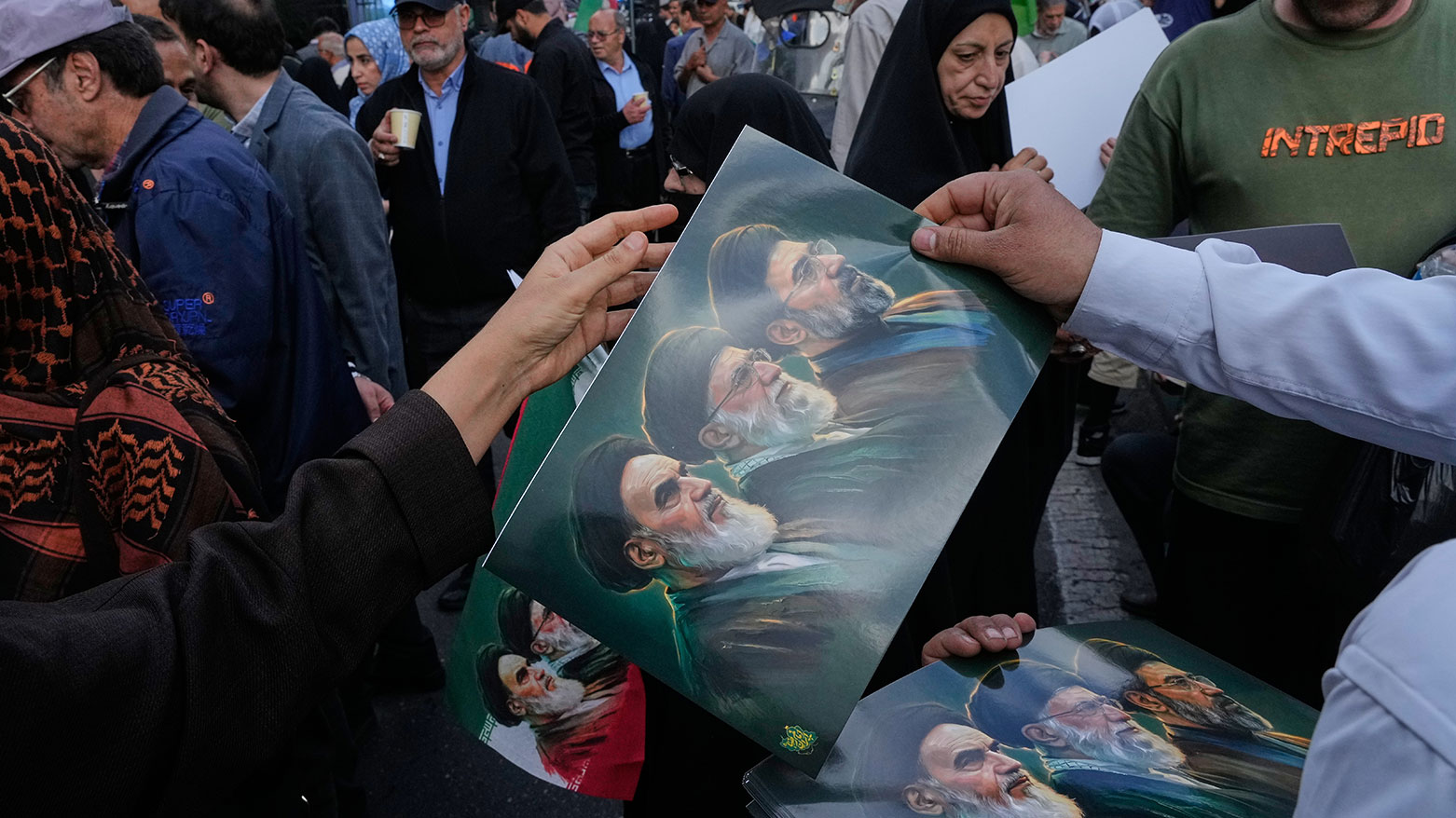
Since his appointment on March 8, Mojtaba Khamenei has not appeared in public or on video.
According to a report by The New York Times cited in background reporting, senior Iranian officials stated that Mojtaba Khamenei was "gravely wounded" in the opening strikes, reportedly undergoing multiple surgeries on one leg and awaiting a prosthetic limb, in addition to facial injuries.
Reuters reported similar accounts, noting severe injuries but quoting sources who insisted he "remains mentally sharp" and continues to participate in key decisions.
Iranian authorities have consistently denied speculation regarding his incapacitation.
According to statements relayed by The Wall Street Journal and the Associated Press, Iranian officials, including Foreign Ministry spokesman Esmaeil Baqaei and Ayatollah Mohsen Qomi, have described the Supreme Leader as being in "full health" and "actively managing affairs," attributing his public absence to security concerns and "wartime conditions."
The parliamentary statement regarding his explicit approval of the Islamabad negotiations aligns with the official Iranian narrative that the Supreme Leader remains firmly in control of state affairs.